
Sauces & Condiments
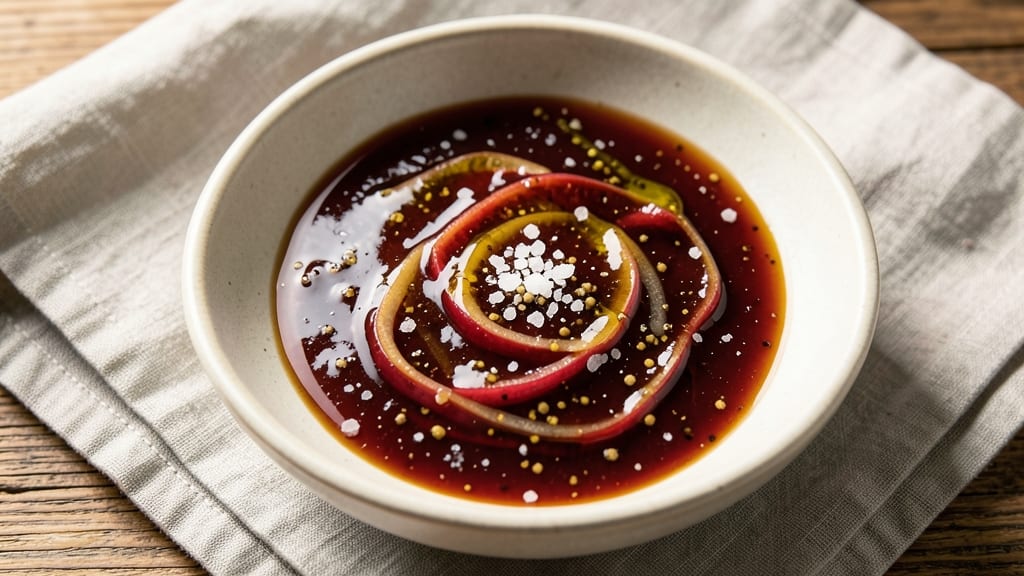
This apple balsamic vinegar dressing recipe transforms simple ingredients into a vibrant, tangy-sweet sauce that elevates salads, roasted vegetables, and grilled meats. The balance of sharp balsamic, sweet apple cider, and creamy texture creates a dressing that's versatile enough for weeknight meals or elegant gatherings.
What makes this recipe stand out is its ability to enhance flavors without overpowering them—perfect for those who prefer a lighter, more complex dressing over heavy creams.
The foundation of this dressing lies in its emulsification technique, which ensures the oil and vinegar blend seamlessly into a silky, clingy sauce.
You’ll need just 6 simple ingredients—apple cider, balsamic vinegar, Dijon mustard, olive oil, a touch of honey or maple syrup, and a pinch of salt—to create a dressing that’s both bright and balanced.
The mustard acts as a natural emulsifier, while the apple cider adds a subtle sweetness that rounds out the acidity of the balsamic.
What you’ll end up with is a rich, glossy dressing that clings beautifully to greens, roasted vegetables, or grilled proteins. Its versatility makes it ideal for drizzling over salads, tossing with grain bowls, or even using as a marinade for chicken or fish.
The flavors develop even more after 30 minutes of resting, allowing the ingredients to meld into a harmonious blend. This dressing keeps well in the refrigerator for up to 1 week, making it a perfect make-ahead option for busy schedules.
For those with dietary preferences, this recipe can easily be adapted to suit vegan needs by using maple syrup instead of honey. The dressing’s simplicity doesn’t compromise its depth—it’s the kind of sauce that turns an ordinary meal into something memorable. Let’s get started on creating this crowd-pleasing favorite.
Ingredients for apple balsamic vinegar dressing
Six ingredients blend into a sophisticated dressing that transforms simple dishes into elegant meals.
| Ingredient | Amount | Notes |
|---|---|---|
| Apple Cider 🍎 | ½ cup | Unfiltered for best flavor |
| Balsamic Vinegar 🍷 | ½ cup | Aged variety preferred |
| Dijon Mustard 🌶️ | 1 tbsp | High-quality, smooth texture |
| Extra-Virgin Olive Oil 🫒 | ¾ cup | Light, fruity variety |
| Maple Syrup 🍁 | 1 tbsp | Grade B for richer flavor |
| Diamond Crystal Kosher Salt 🧂 | ¼ tsp | Fine grain preferred |
The quality of your vinegar and cider makes all the difference here. Aged balsamic vinegar (at least 12 years) delivers deeper flavor complexity, while unfiltered apple cider adds subtle sweetness without overpowering. Trader Joe's and Whole Foods carry excellent options—look for labels indicating aging time. The Dijon mustard serves as both emulsifier and flavor anchor; Maille or Amoy brands provide that perfect balance of tang and smoothness. For the olive oil, seek out a light, fruity variety—avoid the heavy, peppery oils that can clash with the delicate acidity of the vinegar. Store all ingredients in cool, dark places to preserve their freshness.
No aged balsamic? Regular balsamic vinegar plus 1 tsp balsamic glaze mimics the depth. Substituting maple syrup with agave nectar works equally well, though the flavor profile shifts slightly toward caramel notes. For a more intense apple flavor, consider adding 1 tsp apple cider vinegar alongside the cider. The mustard can be omitted entirely if you prefer a smoother texture, though the emulsification will be less stable. If you accidentally over-salt, a splash of additional apple cider dilutes the mixture effectively. For those with nut allergies, ensure your olive oil is certified nut-free, as cross-contamination is common in shared facilities.
This dressing develops best when allowed to rest for 30 minutes before use—patience here enhances the flavor melding significantly. Store in an airtight container in the refrigerator for up to 1 week, though the texture may separate slightly. To re-emulsify, simply whisk vigorously or use an immersion blender for 10 seconds. For longer storage, transfer to a sterile glass jar and freeze for up to 3 months. The dressing works beautifully as a marinade for chicken or fish—just reduce the olive oil to 0.5 cup and add 1 tsp dried oregano for extra flavor complexity.
Why You'll Love This Recipe
- I swear by this combo: just apple cider, balsamic, a splash of Dijon, olive oil, and a drizzle of maple. Honestly, it’s the kind of recipe where you won’t overthink it—no peeling apples, no fancy reductions, just stir and taste.
- Five-Ingredient Magic: I swear by this combo: just apple cider, balsamic, a splash of Dijon, olive oil, and a drizzle of maple. Honestly, it’s the kind of recipe where you won’t overthink it—no peeling apples, no fancy reductions, just stir and taste.
- Sweet-Tart Balance: That first bite? The apple cider’s natural sweetness meets the tangy bite of balsamic, then the Dijon adds this little kick. It’s like autumn in a jar—warm, bright, and impossible to resist.
- Salad’s Best Friend: Drizzle it over greens, toss it with roasted veggies, or even use it as a marinade. Between us, it’s my go-to for everything from lazy weeknight dinners to fussy dinner parties. (Yes, even on a Tuesday night.)
Step-by-step instructions for apple balsamic vinegar dressing
This vibrant dressing balances sweet, tangy, and savory notes perfectly—ideal for salads, drizzling, or marinades.
Whisk Together the Sweet and Tangy Base
In a medium bowl, combine the 0.5 cup apple cider and 0.5 cup balsamic vinegar. The apple cider adds a subtle fruit sweetness that complements the deep tang of the balsamic. Let these ingredients sit for 5 minutes at room temperature—this allows their flavors to meld slightly before incorporating the other components.
While they rest, add the 1 tbsp maple syrup and 0.25 tsp Diamond Crystal kosher salt to the bowl. The maple syrup enhances the dressing’s depth, while the salt balances the acidity. Whisk vigorously until fully dissolved—this ensures an even distribution of flavors throughout the dressing.
Incorporate the Dijon Mustard for Emulsification
Add the 1 tbsp Dijon mustard to the bowl and whisk again until smooth. The mustard acts as an emulsifier, helping to bind the oil later and prevent separation. Here’s the thing—Dijon mustard has a finer texture than whole-grain mustard, which means it blends seamlessly without adding graininess to the dressing.
Taste the mixture at this stage. You should notice a harmonious balance of sweetness from the apple cider and maple syrup, a sharp tang from the balsamic vinegar, and a subtle mustard bite. If the flavor feels too sharp, add a pinch more maple syrup. If it’s too sweet, a splash of apple cider or balsamic vinegar will help rebalance it.
Gradually Add the Olive Oil for a Silky Texture
With the bowl positioned over a sink or a larger container to catch any spills, slowly drizzle in the 0.75 cup extra-virgin olive oil while whisking continuously. The key here is patience—adding the oil too quickly can cause the dressing to separate. Whisk steadily until the mixture thickens slightly and becomes emulsified, with a smooth, velvety consistency.
This step is critical: the olive oil should be incorporated completely, leaving no visible streaks. If you notice any separation after whisking, simply add 1-2 drops of water and whisk again. The dressing should now have a glossy sheen and a luxurious mouthfeel, ready to elevate any dish.
Rest and Adjust for Optimal Flavor
Cover the bowl with plastic wrap and let the dressing rest at room temperature for at least 30 minutes. This resting period allows the flavors to fully integrate and the dressing to reach its ideal balance. During this time, the apple cider’s subtle fruit notes will soften slightly, and the balsamic vinegar’s acidity will mellow out.
After resting, taste the dressing again and make any final adjustments. If it needs more brightness, add a splash of apple cider or balsamic vinegar. If it feels too thin, whisk in 1-2 teaspoons of Dijon mustard to thicken it slightly. The dressing should now be perfectly balanced—sweet, tangy, and rich—with a smooth, silky texture that clings beautifully to greens or drizzles effortlessly over roasted vegetables.
Pro Tips For Making Apple Balsamic Vinegar Dressing
- Whisk in stages: Start by mixing the apple cider, balsamic vinegar, and Dijon mustard—this keeps the mustard from curdling when you add the oil later. Then drizzle in the olive oil slowly while whisking constantly, or you’ll end up with a clumpy mess that’s harder to fix than it’s worth.
- Strain if needed: If your apple cider has sediment or your balsamic vinegar is cloudy, strain it through a fine-mesh sieve before mixing. I learned this the hard way—gritty dressing ruins the texture, and no one wants to chew on bits while eating salad.
- Balance the sweetness: Taste before adding all the maple syrup. The balsamic and apple cider already bring natural sweetness, so start with half the amount and adjust. Too much syrup makes the dressing cloying, and you’ll regret it after the third bite.
- Save the dressing: Store leftovers in a sealed jar in the fridge, but shake it like crazy before using—ingredients separate, and a quick mix revives the emulsion. If it breaks permanently, just whisk in a splash of warm water to bring it back together.
Best sauces and condiments for these flavors
Sweet-Tangy Salad Pairings
This dressing shines on mixed greens like arugula or spinach, where its bright acidity contrasts beautifully with peppery notes. For heartier salads, toss with shredded Brussels sprouts or roasted beets—the apple sweetness complements their earthy flavors.
I love it on goat cheese salads too, where the tangy dressing cuts through the creaminess. 🥗
Marinade Magic
Reduce the olive oil to ½ cup and add 1 tsp dried oregano to create a stellar marinade for chicken or fish. The apple-balsamic combo tenderizes proteins while adding depth.
I marinate boneless chicken breasts for 2-3 hours before grilling—they stay juicy and develop incredible caramelized crusts. For seafood, use it on salmon fillets for just 30 minutes to prevent over-marinating.
Drizzle Delights
Use this dressing as a finishing touch for roasted vegetables like carrots or sweet potatoes. Warm the dressing slightly before drizzling over mashed potatoes or polenta—the sweet-tangy balance elevates these comfort foods instantly.
For dessert, drizzle over warm apple slices or vanilla ice cream for a sophisticated sweet-savory contrast. 🍏
Grain Bowl Upgrade
Transform simple grain bowls with this dressing. Toss with quinoa or farro and top with grilled chicken, avocado, and cherry tomatoes. The dressing binds everything together while adding complexity.
I also use it as a sauce for sushi rolls—just drizzle lightly over cucumber and avocado for a fresh, tangy twist.
Storage Secrets
Store in an airtight glass container in the fridge for up to 1 week. If separation occurs, whisk vigorously or use an immersion blender for 10 seconds to re-emulsify.
For longer storage, freeze in ice cube trays—thaw and whisk before use. The texture may thin slightly after freezing, but the flavor remains vibrant. 🧊
Flavor Boosters
Add ½ tsp cinnamon for warmth or 1 tsp fresh thyme for herbal notes. For heat, stir in ¼ tsp red pepper flakes. I also love adding 1 tbsp chopped walnuts for crunch if using as a salad topping.
Each variation keeps the dressing versatile for any meal or mood.
Nutrition facts
Frequently asked questions
Can I make this dressing without Dijon mustard?
The Dijon mustard is key for emulsification, but you can substitute 1 tbsp whole-grain mustard if preferred. For a mustard-free version, blend 1 tbsp tahini or 1 tbsp Greek yogurt with the other ingredients—they'll help stabilize the oil. Just whisk more vigorously to prevent separation.
How do I fix a dressing that's too thick or too thin?
If too thick, whisk in 1-2 teaspoons of apple cider or water to thin. For a thicker texture, add ½ teaspoon more Dijon mustard or reduce slightly on the stovetop (simmer for 2-3 minutes). Always adjust gradually—you can always add more, but you can't take it out.
What's the best way to store leftovers?
Transfer to an airtight glass container and refrigerate for up to 1 week. If separation occurs, whisk vigorously or blend for 10 seconds to restore emulsification. For longer storage, freeze in ice cube trays—thaw and whisk before using. The flavor actually improves after refrigeration!
Can I use this as a marinade?
Yes! Reduce the olive oil to ½ cup and add 1 tsp dried oregano for a perfect marinade. Use it on chicken or fish for 2-3 hours (chicken) or 30 minutes (seafood). The apple-balsamic combo tenderizes while adding depth. Just pat proteins dry before cooking for better browning.
What's the secret to getting it perfectly emulsified?
The key is adding oil very slowly while whisking continuously. Use a chopstick or small whisk for better control. If it breaks, add 1-2 drops of water and whisk again. For extra insurance, blend briefly with an immersion blender after whisking. Patience here makes all the difference!