
Desserts
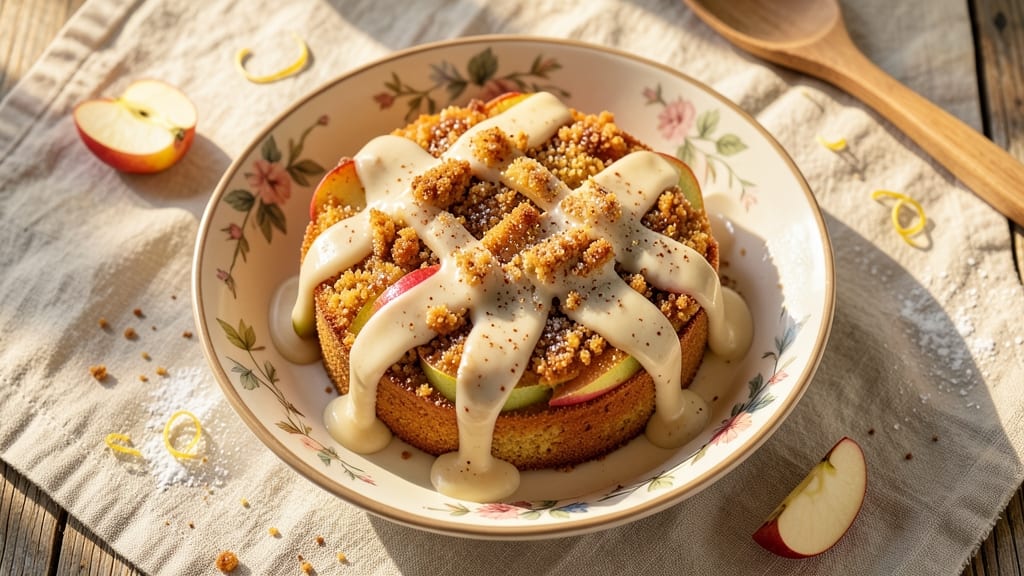
This apple cake with buttermilk sauce delivers the perfect balance of tender crumb and velvety sauce—every bite feels like autumn in cake form. The secret starts with a moist crumb, achieved through buttermilk and brown sugar, while the sauce transforms ordinary cake into something extraordinary. I developed this recipe after years of perfecting the right texture: a cake that stays tender even after cooling, with just enough spice to complement the apples.
The buttermilk sauce is where the magic happens—thick, tangy, and rich enough to soak into every layer. It’s not just a drizzle; it’s the star, cutting through the sweetness with its creamy, slightly sour depth.
What makes this recipe work is the timing: the cake bakes while the sauce simmers, so everything is ready at once. No waiting, no rushing—just a warm, gooey masterpiece that disappears faster than you can say "second slice."
By the time you serve it, you’ll have a cake with a golden top and moist interior, topped with a generous drizzle of buttermilk sauce that glistens under the light. The sauce clings to the crumb, creating pockets of flavor in every bite.
Garnish with a sprinkle of cinnamon or a dollop of whipped cream for the perfect finish. This isn’t just dessert—it’s an experience.
Perfect for Thanksgiving, holiday gatherings, or a cozy weekend treat, this cake keeps well for days, with the sauce even improving as it rests. The combination of warm cake and cool sauce makes it ideal for serving at room temperature or straight from the oven.
Let’s get baking—your taste buds will thank you.
Ingredients for apple cake with buttermilk sauce
Moist crumb meets velvety sauce—these ingredients create autumn perfection in every bite.
| Ingredient | Amount | Notes |
|---|---|---|
| All-Purpose Flour 🌾 | 2 ½ cups | Sifted for light texture |
| Granulated Sugar 🍚 | 1 ½ cups | White sugar preferred |
| Light Brown Sugar 🍚 | ½ cup | Packed firmly for moisture |
| Buttermilk 🥛 | 1 cup | Full-fat for richness |
| Large Eggs 🥚 | 2 whole | Room temperature for blending |
| Unsalted Butter 🧈 | 1 cup | Cold, cubed for baking |
| Ground Cinnamon 🌿 | 2 tsp | Freshly ground preferred |
| Ground Nutmeg 🌿 | ½ tsp | Freshly grated for warmth |
| Salt 🧂 | ½ tsp | Kosher or sea salt |
| Baking Soda 🧪 | 1 ½ tsp | For lift and tenderness |
| Granny Smith Apples 🍎 | 2 medium | Peeled, diced (about 3 cups) |
| Granulated Sugar 🍚 | ¼ cup | For sauce sweetness |
| Buttermilk 🥛 | ½ cup | For sauce tanginess |
| Unsalted Butter 🧈 | 2 tbsp | Melted for sauce richness |
| All-Purpose Flour 🌾 | 1 tbsp | For sauce thickening |
The apples make or break this cake. Granny Smiths are ideal—their tartness balances the sweetness, but any crisp apple works. Peel and dice them just before baking so they don’t turn mushy. I always buy organic from Whole Foods when I can, but regular grocery store apples work fine if they’re firm. For the buttermilk, don’t substitute with regular milk—it’s all about that tang. If you’re out, mix 1 cup milk with 1 tbsp vinegar or lemon juice and let it sit for 5 minutes. The baking soda is non-negotiable here—it’s what gives this cake that signature lift.
No Granny Smiths? Honeycrisp or Fuji are great stand-ins—they’re sweeter so you might want to add an extra pinch of cinnamon. The sauce is where the magic happens, and you can adjust the sweetness to taste. Too tangy? Add a little more sugar. Too sweet? A splash of lemon juice cuts through it. For the butter, European-style melts more smoothly if you’re worried about graininess. And if you’re feeling fancy, swap the all-purpose flour in the sauce for a mix of cornstarch and flour—it’ll make the sauce even glossier. The key is patience: let the sauce simmer until it’s thick enough to coat the back of a spoon.
This cake keeps beautifully—3 days at room temperature covered loosely, or 5 days in the fridge wrapped tightly. The sauce actually improves overnight, so make it a day ahead if you can. For serving, warm slices at 300°F for 10 minutes to revive the texture, then drizzle with freshly reheated sauce. Freeze the cake (without sauce) for up to 3 months—just thaw at room temperature before serving. The sauce doesn’t freeze well, so make it fresh when you’re ready to serve.
Why You'll Love This Recipe
- Same recipe, endless uses: slice for breakfast with yogurt, pack for lunch, or serve with ice cream at a last-minute party. I’ve even used leftover cake in a trifle—works every time.
- No Mixer Needed: The buttermilk batter comes together with a whisk—no stand mixer, no fuss. I’ve made this in a mug when I forgot to take the cake pan out of the oven last time.
- Buttermilk Magic: That tangy buttermilk keeps the cake moist without being heavy, while the brown sugar caramelizes into a subtle crunch. Honestly, the sauce is what steals the show—creamy, not cloying, and it turns dry cake into a dream.
- Weeknight to Holiday: Same recipe, endless uses: slice for breakfast with yogurt, pack for lunch, or serve with ice cream at a last-minute party. I’ve even used leftover cake in a trifle—works every time.
Step-by-step instructions for apple cake with buttermilk sauce
This method guarantees a tender cake with perfectly diced apples and a silky buttermilk drizzle that ties everything together.
Prep the Apples and Preheat the Oven
Peel the 2 medium Granny Smith apples and dice them into ¼-inch pieces—about 3 cups total. Toss them with 1 tablespoon of the granulated sugar from the ingredients list and let sit for 10 minutes while they release their juices. This prevents a soggy cake later.
Preheat your oven to 350°F and grease an 8-inch round cake pan or line it with parchment paper. I like to use a springform pan for easy release, but any round pan works. The edges should be 2 inches tall to handle the cake's rise.
Mix Dry Ingredients for Perfect Texture
In a medium bowl, whisk together the 2.5 cups all-purpose flour, 1.5 cups granulated sugar, 0.5 cup light brown sugar, 2 teaspoons ground cinnamon, 0.5 teaspoon ground nutmeg, 0.5 teaspoon salt, and 1.5 teaspoons baking soda. Sift the flour mixture through a fine-mesh sieve directly into the bowl to aerate it—this creates a lighter cake texture.
I always sift the dry ingredients first because it prevents lumps and ensures even distribution of spices. The brown sugar should be packed firmly in its measuring cup to get the exact 0.5 cup amount—this adds moisture that keeps the cake tender.
Cream Butter and Mix Wet Ingredients
In a large mixing bowl, beat the 1 cup unsalted butter (cold and cubed) with the 2 whole large eggs on medium speed for 2-3 minutes until light and fluffy. The mixture should nearly double in volume and become pale yellow. This creaming step incorporates air, which gives the cake its lift.
Gradually add the 1 cup buttermilk while mixing on low speed. Then fold in the prepared apples and their juices using a rubber spatula. Be gentle—you don't want to deflate the batter. The apples should be evenly distributed throughout the mixture.
Combine and Bake to Golden Perfection
With the mixer on low speed, gradually add the dry ingredients to the wet mixture. Mix just until combined—you should still see small flour streaks. Overmixing develops gluten and makes the cake tough. Pour the batter into your prepared pan and smooth the top with a spatula.
Bake for 45-50 minutes until a toothpick inserted in the center comes out clean and the edges are light golden brown. The cake should spring back slightly when pressed in the center. If the top browns too quickly, tent the pan with aluminum foil after 25 minutes to prevent over-browning.
Make the Buttermilk Sauce and Assemble
While the cake bakes, make the sauce by melting the 2 tablespoons unsalted butter in a small saucepan over medium heat. Whisk in the 0.25 cup granulated sugar and 0.5 cup buttermilk until smooth. Add the 1 tablespoon all-purpose flour and cook for 2-3 minutes until the mixture thickens to a pudding-like consistency.
Let the cake cool in the pan for 10 minutes, then transfer it to a wire rack to cool completely. Once cooled, poke holes all over the cake with a skewer. Pour the warm buttermilk sauce evenly over the top, letting it soak into the cake. Serve warm or at room temperature for the best texture.
Pro Tips For Making Apple Cake With Buttermilk Sauce
- Whisk the Buttermilk: Don’t just pour it in—give that buttermilk and flour mix a good 2-minute whisk before folding into the batter. I learned this the hard way when my cake turned out dense; the little lumps of flour weren’t breaking down enough. A quick whisk ensures a smoother batter and lighter crumb.
- Brown the Sugar First: Toast your light brown sugar in a dry skillet for 30 seconds until it smells like caramel. It’s not mandatory, but it adds a deeper, toasty flavor to the cake—especially when paired with the tangy buttermilk sauce. (Yes, even if you’re impatient like me.)
- Test for Doneness Early: Skip the toothpick trick—this cake’s moist. Instead, press the center gently with a finger: it should spring back slowly (not bounce right up). Overbaking dries out the apples and makes the sauce taste like syrup. Pull it out when the edges are golden but the middle still feels slightly soft.
- Chill the Batter: Let the batter sit for 15 minutes before baking. I was skeptical until I tried it—this prevents the apples from sinking to the bottom and gives the cake a more even rise. (Your future self will thank you for the cleaner slices.)
Serving suggestions for apple cake with buttermilk sauce
Warm Sauce Presentation
Serve the cake warm for the ultimate experience—the buttermilk sauce drizzles like liquid gold over slightly warm crumbs. I like to transfer slices to plates while still at 90°F and immediately pour the reheated sauce over them.
The sauce should be thick enough to cling to the cake without pooling, so gently warm it in a small saucepan for 1-2 minutes before serving. 💛
Classic Garnishes
A sprinkle of cinnamon sugar (mix 1 tbsp cinnamon with 2 tbsp sugar) adds warmth and visual appeal. For extra flair, top with a dollop of whipped cream or a few caramelized apple slices.
I often use a fine-mesh sieve to dust the cinnamon sugar evenly—it looks restaurant-worthy without effort.
Room Temperature Serving
If serving at room temperature, let the cake cool completely before drizzling with sauce. The contrast between the cool cake and warm sauce creates a delightful texture play.
Store leftover cake in an airtight container with a damp paper towel to keep it moist, and reheat the sauce separately when ready to serve.
Coffee Pairings
A cup of espresso or dark roast coffee cuts through the richness beautifully. I recommend a 12-ounce pour of freshly brewed coffee with ½ teaspoon vanilla syrup to complement the apple and buttermilk flavors. For a non-coffee option, try chilled sparkling apple cider for a refreshing contrast.
Make-Ahead Serving
Prepare the sauce and cake a day ahead—the sauce actually tastes better after resting. Store the cake in the fridge, and reheat slices at 300°F for 10 minutes before serving.
Reheat the sauce separately in a small saucepan over low heat, stirring constantly until smooth. This method ensures every bite is as perfect as the first.
Seasonal Variations
In fall, add toasted pecans or walnuts for crunch, while winter calls for a dusting of powdered sugar*. For summer, serve with a scoop of vanilla ice cream to balance the warm cake. The sauce’s tanginess shines in all seasons, making this dessert versatile year-round.
Nutrition facts
Frequently asked questions
Can I substitute buttermilk in the sauce with regular milk?
The sauce relies on buttermilk's tang to balance the sweetness. If you must substitute, mix ½ cup milk with 1 teaspoon lemon juice or vinegar and let it sit for 5 minutes to curdle. The sauce will be slightly less rich, but still delicious. For best results, use the full-fat version to maintain creaminess.
Why did my cake turn out dense instead of moist?
Overmixing the batter develops gluten, making the cake tough. Mix just until combined—you should still see small flour streaks. Also, ensure your butter is cold when creaming and don't skip sifting the dry ingredients. For extra moisture, brush the cooled cake with simple syrup before adding the sauce.
How do I adjust the recipe for a 9-inch pan instead of 8-inch?
Reduce baking time by about 5-7 minutes (check at 40 minutes340°F to prevent over-browning. The cake will be slightly thinner but still moist. For the sauce, use the same quantity—it's designed to soak into the cake regardless of pan size.
Can I make this cake gluten-free?
Yes, but you'll need a 1:1 gluten-free flour blend (like Bob's Red Mill) plus ½ teaspoon xanthan gum. Replace the all-purpose flour in both the cake and sauce. The texture will be slightly denser, but the buttermilk sauce helps maintain moisture. Test with a small batch first to adjust sweetness—GF flours often need extra sugar.
What's the best way to store leftovers?
Keep the cake in an airtight container with a damp paper towel to prevent drying. The sauce can be stored separately in a sealed jar for 5 days in the fridge or 3 months in the freezer. Reheat sauce gently in a saucepan over low heat, stirring constantly until smooth. For best texture, serve cake at room temperature.