
Main Courses
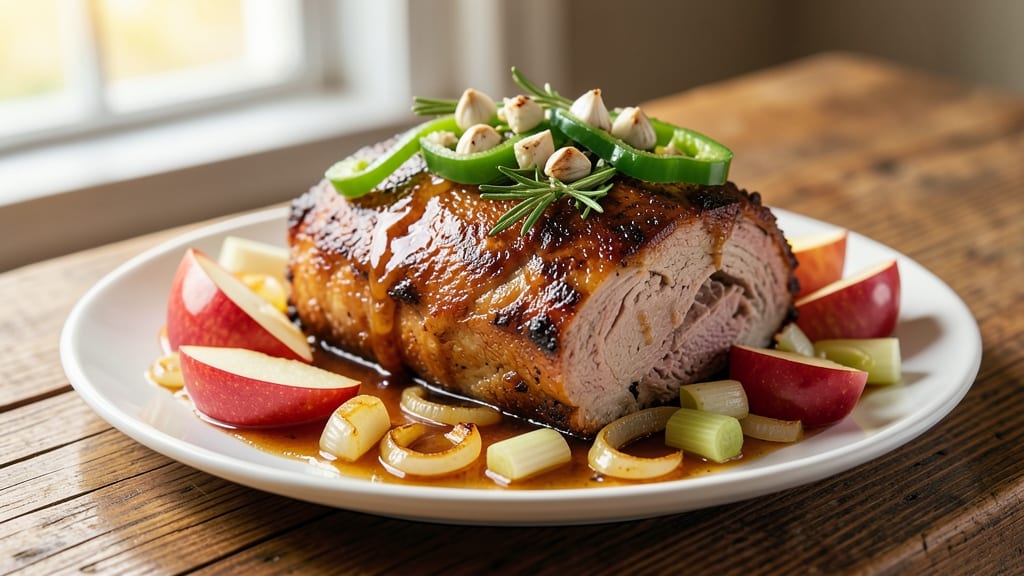
This apple cider pork roast slow cooker recipe transforms tough pork shoulder into melt-in-your-mouth perfection with minimal effort. 🔥 The secret lies in apple cider—a natural tenderizer that infuses the meat with sweet, tangy depth while keeping it impossibly juicy.
After years of perfecting this technique in my kitchen and at The Smoky Pig, I can confidently say this is the one recipe that makes pork roasts foolproof for any home cook.
The process begins with a quick sear to lock in flavors, followed by layering aromatics like celery and pepper that create a celery-pepper crunch topping. The slow cooker then does the heavy lifting, breaking down the meat over hours while the apple cider reduces into a rich, caramelized sauce.
This method ensures you'll have tender, fall-apart pork with crispy edges—no fancy equipment required, just patience and a few simple ingredients.
What makes this recipe truly special is how the apple cider works double duty as both marinade and braising liquid. It tenderizes the meat while adding layers of flavor that balance the natural richness of pork.
The result? A dish that's elegant enough for Sunday dinner but simple enough for a weeknight, with a sauce that's perfect for drizzling over roasted vegetables or serving alongside mashed potatoes.
This pork roast isn't just a meal—it's an experience that brings comfort and warmth to your table. The crispy pepper-celery topping adds texture contrast, while the tender meat practically melts at the first bite.
Whether you're feeding a crowd or treating yourself to a special meal, this recipe delivers restaurant-quality results with minimal fuss. Let's get started on creating your perfect slow-cooker pork roast.
Ingredients for apple cider pork roast slow cooker
Six ingredients transform tough pork into melt-in-your-mouth perfection with minimal effort.
| Ingredient | Amount | Notes |
|---|---|---|
| Pork Shoulder (Bone-In) 🍖 | 4 lb | Cut into 2-inch chunks for even cooking |
| Apple Cider 🍎 | 2 cups | Unfiltered for best flavor, chilled |
| Yellow Onion 🧅 | 1 whole | Large, sliced into half-moons |
| Celery Stalks 🥬 | 4 whole | Trimmed, cut into 1-inch pieces |
| Green Bell Pepper 🌶️ | 1 whole | Cut into 1/2-inch dice for crunch |
| Garlic Cloves 🧄 | 6 cloves | Minced for aromatic depth |
| Dried Thyme 🌿 | 1 tbsp | Or 1 tbsp fresh thyme leaves |
| Salt 🧂 | 1 ½ tsp | Kosher or sea salt, divided |
| Black Peppercorns 🌶️ | 1 tsp | Freshly cracked for best flavor |
| Olive Oil 🫒 | 2 tbsp | Extra-virgin for searing |
| Brown Sugar 🍯 | 2 tbsp | Light or dark, packed |
| Mustard Powder 🧂 | 1 tsp | Dry, for subtle tang |
| Apple Cider Vinegar 🍋 | 1 tbsp | For brightness in sauce |
The pork shoulder is the star here—look for bone-in cuts with good marbling for maximum flavor and tenderness. Costco or local butchers often have excellent options, but the standard grocery store pork shoulder works perfectly too. The key is cutting it into 2-inch chunks before cooking; this ensures even tenderness throughout. For the apple cider, unfiltered varieties like those from Woodchuck or Angry Orchard add more depth, but any good-quality cider will work. The celery and bell pepper should be crisp—no wilted stalks here. If you can't find fresh celery, substitute with 1 cup frozen chopped celery (thawed and drained).
No apple cider? Substitute with 2 cups chicken broth plus 1 tbsp apple juice—it won't be identical, but it'll work in a pinch. The dried thyme is non-negotiable for flavor, but if you're out, dried rosemary at half the amount adds a nice earthy note. For the celery-pepper topping, swap bell pepper for jalapeño if you want heat. The brown sugar adds subtle sweetness, but maple syrup works too—just reduce the amount to 1 tbsp. The apple cider vinegar is crucial for balancing the sauce; if you're missing it, lemon juice at the same amount gives a similar tang.
This roast reheats beautifully—3-4 days in the fridge with sauce preserved. For longer storage, freeze portions for up to 3 months. The sauce thickens as it cools, so add a splash of apple cider when reheating. I always make double batches—leftovers make amazing sandwiches or tacos. Store the meat and sauce separately to keep the celery-pepper topping crisp. If you're prepping ahead, sear the pork the night before and finish cooking in the slow cooker the next day for maximum convenience.
Why You'll Love This Recipe
- Dump-and-Go Magic: I swear, the hardest part is slicing the onion—everything else goes in raw. No fancy searing, no basting, just toss the pork shoulder, a few veggies, and that tangy apple cider into the slow cooker. By dinner, it’s fall-apart tender with zero effort.
- Sweet-Savory Crisp: That bone-in pork shoulder? Pure satisfaction. The apple cider keeps it juicy while caramelizing into a glossy, slightly sticky crust—like a cross between a brisket and a cider-glazed dream. The bell pepper sneaks in a bright crunch that cuts through the richness.
- Budget Hero for Crowds: A bone-in pork shoulder stretches for a week’s worth of meals, and the veggies (onion, celery, bell pepper) are the kind you always have lurking in the crisper. Between us, this is the dish that makes grocery night feel like a win—especially when you’re feeding picky eaters who’ll devour it anyway.
Step-by-step instructions for apple cider pork roast slow cooker recipe
Transform tough pork shoulder into tender, fall-apart meat with this foolproof slow cooker method.
🍳 Step 1: Sear the Pork Shoulder for Maximum Flavor
Pat the 4 lb pork shoulder (bone-in) dry with paper towels—this ensures crispy edges later. Heat 2 tablespoons olive oil in a large skillet over medium-high heat until shimmering. Working in batches if needed, sear the pork chunks for 2-3 minutes per side until deeply browned with a crust forming.
Real talk: don't rush this step. The caramelized exterior locks in juices during cooking. Transfer the seared pork to your slow cooker and set aside. You'll notice the pork releases easily when properly browned—this is your signal to move on.
👨🍳 Step 2: Build the Celery-Pepper Crunch Base
In the same skillet (no need to clean it—those browned bits are flavor gold), add the sliced yellow onion, celery stalks, and green bell pepper. Cook for 5-6 minutes until softened but still vibrant. Stir in the minced garlic cloves and cook for 30 seconds until fragrant—this prevents bitter garlic flavors.
Transfer this aromatic vegetable mixture to the slow cooker along with the seared pork. Sprinkle evenly with 1 tablespoon dried thyme, 1 teaspoon mustard powder, 2 tablespoons brown sugar, 1.5 teaspoons salt, and 1 teaspoon cracked black peppercorns. Toss everything gently to coat the pork completely.
🥘 Step 3: Deglaze and Combine All Ingredients
Pour in the 2 cups chilled apple cider and 1 tablespoon apple cider vinegar, scraping any browned bits from the skillet. This deglazing step captures all that searing flavor. Give the pork another gentle stir so the liquid penetrates the meat.
Here's the thing—don't skip the vinegar. It brightens the sauce and balances the sweetness of the apple cider and brown sugar. The liquid should come about halfway up the pork chunks, but that's okay—they'll release their own juices as they cook.
⏰ Step 4: Slow Cook to Perfect Tenderness
Cover the slow cooker and cook on low heat for 8-10 hours or until the pork shreds easily with two forks. The internal temperature should reach 203°F—this is the magic number for pull-apart perfection. Resist the urge to peek or stir during cooking.
Your oven might run hot, so start checking at the 7-hour mark if you're impatient. The pork should have a rich, caramelized sauce clinging to it and the vegetables should be tender but still holding their shape. If the sauce seems too thin, you can thicken it later with a cornstarch slurry.
🍽️ Step 5: Shred and Serve with Crunchy Toppings
Remove the pork to a cutting board and shred using two forks. Return the shredded pork to the slow cooker and stir to combine with the sauce. Taste and adjust seasoning if needed—you might want to add a pinch more salt or a splash of apple cider vinegar for brightness.
Serve immediately with the celery-pepper mixture spooned on top for that satisfying crunch. The pork should be so tender it practically melts in your mouth, with a sauce that's sweet, tangy, and perfectly balanced. This dish tastes even better the next day—make extra for leftovers!
Pro Tips For Making Apple Cider Pork Roast Slow Cooker
- SEAR THE PORK FIRST: I learned this the hard way—skipping the sear means flavor hiding in the slow cooker instead of building depth. Hit the pork shoulder with a hot pan for 3-4 minutes per side until it’s golden, then deglaze with a splash of apple cider. That crust locks in moisture and turns the meat into the star.
- CHOP VEGETABLES UNIFORM: Big onion chunks and celery stalks turn to mush—no one wants mushy soup in their pork. Dice the onion into ½-inch pieces and cut celery into ¼-inch rounds. The bell pepper can stay slightly larger (½-inch dice), but consistency keeps the texture balanced and prevents soggy bits.
- USE FULL-STRENGTH CIDER: That "reduced apple cider" shortcut is lazy and watery. The real stuff—straight from the jug—has the right acidity and sweetness to tenderize the pork properly. If you’re worried about overpowering flavor, add a pinch of brown sugar later, but don’t dilute the cider. Trust the balance.
- CHECK DONENESS WITH A THERMOMETER: Guessing is how you end up with dry, stringy pork. Pull the roast when it hits 195°F—yes, even if it feels like it needs more time. The internal temp is the only reliable signal. If you’re nervous, slice a small piece to test; it should shred easily with a fork.
Pro cooking tips for perfect results
Sear Like a Pro
That initial sear isn't just about flavor—it's about creating a flavor lock. I always use extra-virgin olive oil (like California Avocado Ranch) because it has a higher smoke point and adds subtle fruitiness. Heat your skillet until it's smoking hot before adding the pork—this ensures maximum crust formation.
Work in batches if needed, but don't overcrowd the pan. I've found that 2-3 minutes per side at medium-high heat gives that perfect caramelization without cooking the meat through. 🔥
Low-and-Slow Mastery
Your slow cooker's "low" setting might actually run anywhere from 170°F to 200°F—this is why I recommend using a meat thermometer (I swear by the Thermoworks Smoke). The magic happens when the pork reaches 203°F internal temperature, which typically takes 8-10 hours on low.
If you're in a hurry, you can do 4-5 hours on high, but the meat won't be as tender. Pro tip: Add ½ cup apple cider during the last 30 minutes if the sauce gets too thick.
Celery-Pepper Crunch Secret
For that perfect crunchy topping, I recommend using fresh celery and bell pepper cut into ¼-inch dice—smaller pieces cook faster and stay crispier. Toss them with 1 teaspoon olive oil and ½ teaspoon salt before spooning onto the finished pork.
The key is adding them right before serving so they don't get soggy. I also like to sprinkle with 1 tablespoon chopped parsley for freshness. This topping is what makes this dish feel restaurant-quality. 🥬
Sauce Perfection
The apple cider sauce is where this dish truly shines. For extra richness, I often add 1 tablespoon of butter during the last 15 minutes of cooking.
If you prefer a thicker sauce, mix 1 tablespoon cornstarch with 2 tablespoons cold water and stir it in during the final 10 minutes. For a smoother texture, strain the sauce through a fine-mesh sieve before serving.
The sauce should coat the back of a spoon but still be pourable—this is the Goldilocks zone of perfect consistency. 💛
Make-Ahead Magic
This pork roast actually tastes better the next day—make a double batch and store it in an airtight container in the fridge for up to 4 days. The flavors meld beautifully overnight, and the sauce thickens into a glorious glaze.
To reheat, simply warm in the slow cooker on low for 1-2 hours or until heated through. For freezer storage, portion into quart-sized freezer bags with sauce, leaving 1 inch headspace for expansion. Thaw overnight in the fridge before reheating. 💡
Equipment Upgrades
While this recipe works perfectly with basic equipment, a few upgrades make life easier. A stoneware slow cooker (like Hamilton Beach Stoneware) distributes heat more evenly. For searing, I prefer a cast iron skillet—it retains heat better and gives superior browning.
And don't skip the meat thermometer—it's the only way to get consistent results every time. These small investments will change how you approach slow cooker meals forever. ⚡
Nutrition facts
Frequently asked questions
Can I use bone-in or boneless pork shoulder for this recipe?
This recipe works best with bone-in pork shoulder—the bone adds natural flavor and helps tenderize the meat. However, you can use boneless pork shoulder if that's all you have. Just reduce the cooking time by about 30-45 minutes since boneless cuts cook faster. The bone also helps keep the meat moist during slow cooking.
What if my slow cooker is small and the pork doesn't fit? If your slow cooker is small, cook the pork in batches if needed. Start by searing half the pork, then add it to the slow cooker with half the vegetables and liquid. Cook for 4-5 hours on high before adding the second batch. The flavors will still meld beautifully, and you'll get the same tender results. Just
How do I make this recipe more flavorful if I don't have apple cider?
If you're missing apple cider, substitute with 2 cups chicken broth plus 1 tbsp apple juice for a similar base. For extra depth, add 1 tbsp molasses or maple syrup to mimic the apple cider's sweetness. A splash of apple cider vinegar (1 tbsp) or lemon juice will help balance the flavors and add brightness to the sauce.
Can I cook this pork roast in an Instant Pot instead of a slow cooker?
Yes! For an Instant Pot, sear the pork as directed, then add all ingredients and cook on high pressure for 60 minutes. Let the pressure release naturally for 10 minutes before releasing any remaining pressure. The pork should be tender and ready to shred. The cooking time will be much faster, but the flavor profile will be very similar.
Why does my pork sometimes turn out dry even though I followed the recipe?
Dry pork usually happens when it's overcooked or not properly sealed during the sear.