
Sauces & Condiments
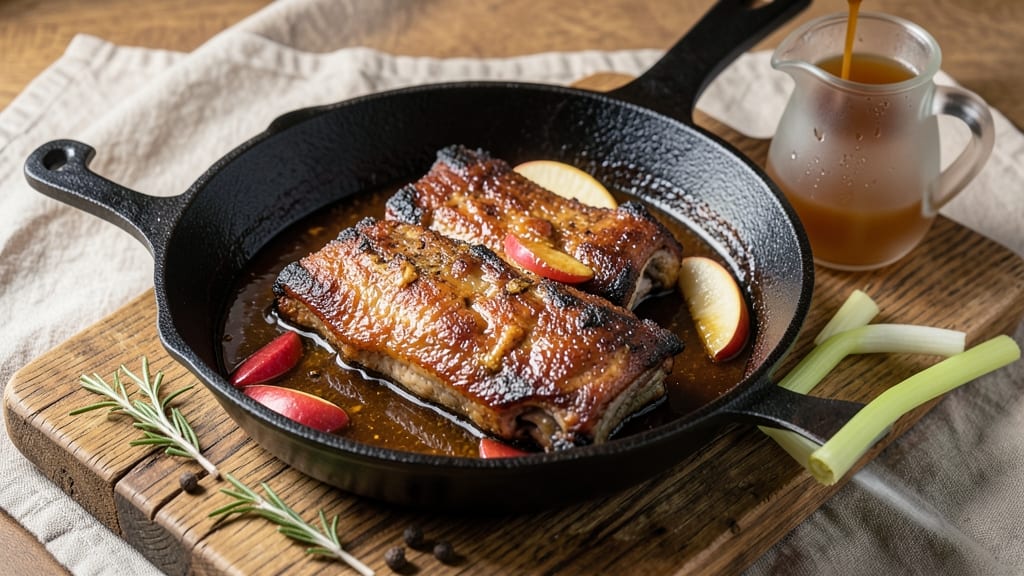
This apple juice brine for ribs transforms tough cuts into fall-off-the-bone tender meat with a subtle, sweet-spiced flavor profile. The secret lies in the apple juice's natural acidity and sugar content, which tenderize the meat while infusing it with a delicate, aromatic sweetness.
Unlike traditional salt brines, this version uses apple juice as the base, creating a balanced solution that enhances the ribs' natural flavors without overpowering them.
The brine combines simple ingredients like apple juice, brown sugar, and a blend of celery, onion, and peppercorns to create a flavorful liquid that penetrates the meat deeply.
This method not only locks in moisture but also adds a subtle sweetness and aromatic depth that complements the smoky flavors of grilled or slow-cooked ribs. The result is meat that stays juicy and flavorful, even after hours of cooking.
Perfect for any rib recipe—whether you're smoking, grilling, or slow-cooking—this apple juice brine ensures your meat is tender and infused with a subtle sweetness that pairs beautifully with traditional barbecue sauces.
The preparation is straightforward, requiring just a few ingredients and minimal effort, making it ideal for both beginners and seasoned pitmasters.
For added complexity, consider incorporating herbs like thyme or rosemary, or a splash of citrus for brightness. The brine can be used immediately or stored in the refrigerator for up to 5 days, making it a versatile addition to your barbecue prep.
Let's dive into the recipe and elevate your ribs to the next level.
Ingredients for apple juice brine for ribs
Nine simple ingredients transform tough ribs into melt-in-your-mouth perfection with balanced sweetness and aromatic depth.
| Ingredient | Amount | Notes |
|---|---|---|
| Unfiltered Apple Juice 🍎 | 4 cups | 100% apple juice, no added sugar |
| Light Brown Sugar 🍚 | ½ cup | Packed, for balanced sweetness |
| Celery Stalks 🧅 | 2 whole | Fresh, cut into 2-inch pieces |
| Yellow Onion 🧅 | 1 whole | Medium size, quartered |
| Black Peppercorns 🌶️ | 1 tbsp | Whole, lightly crushed |
| Bay Leaves 🌿 | 2 whole | Dried, standard size |
| Kosher Salt 🧂 | ¾ cup | Diamond Crystal preferred |
| Garlic Cloves 🧄 | 4 cloves | Smashed, for aromatic depth |
| Fresh Thyme Sprigs 🌿 | 4 whole | Or 1 tsp dried thyme |
The apple juice forms the brine's foundation—unfiltered, 100% apple juice (like Mott's or Tree Top) delivers the most flavor without added sugars. Brown sugar should be packed into the measuring cup for accurate sweetness. Celery and onion are non-negotiable for aromatic depth; organic produce from the grocery store's fresh section works best. Black peppercorns should be lightly crushed between your fingers to release oils without turning to powder. For salt, Diamond Crystal is ideal as it's coarser and dissolves more evenly—regular table salt won't provide the same balance. Garlic cloves should be smashed with the flat side of your knife to release their aromatic oils without turning to paste.
No fresh thyme? Dried thyme works at one-third the amount, but fresh delivers superior aroma. Substitute rosemary sprigs for thyme if preferred—use the same quantity. Running low on apple juice? White grape juice works in a pinch, though it lacks the apple's subtle sweetness. For a spicier kick, add 1 tsp crushed red pepper flakes to the brine. The onion and celery can be prepped ahead and stored in a sealed container in the fridge for up to 3 days—just add them to the brine when ready. If you're using a smoker, consider adding 1 tsp smoked paprika to the brine to complement the smoky flavors.
This brine keeps for 5 days in the refrigerator once mixed, though it's best used within 3 days for optimal flavor. Store in a sealed container to prevent absorption of fridge odors. For long-term storage, freeze the brine in 1-cup portions—thaw overnight in the fridge before use. The brine can be used immediately on ribs or stored in the refrigerator for up to 5 days before brining. When using, ensure ribs are fully submerged for at least 4 hours (overnight is ideal) to maximize tenderness and flavor infusion. The brine's sweetness pairs beautifully with traditional barbecue sauces, enhancing their depth rather than competing with them.
Why You'll Love This Recipe
- Here’s what sold me: I make a big batch (it’s cheap—just juice, sugar, and veggie scraps) and use half for ribs, half for chicken thighs or pork chops later. The leftovers keep in the fridge for a week, and the cost? A fraction of store-bought sauces. My wallet and my taste buds win.
- No Chopping Needed: I’ll admit, I used to dread prepping brines—chopping onions, peeling garlic, the whole mess. This one? Just toss in whole celery stalks and an onion quartered like a lazy pizza. The ribs soak up the sweetness and depth anyway—no knife skills required.
- Sweet-Savory Magic: That unfiltered apple juice isn’t just sweet—it’s got this funky, almost smoky depth that clings to the ribs like a hug. The brown sugar caramelizes just enough to give them a sticky, glossy finish, while the peppercorns add a little kick that wakes up every bite. Honestly, it’s the kind of flavor that makes you reach for seconds without even thinking.
- Tailgate or Tuesday: Between us, this brine works for everything. Grilling for a crowd? Slather it on before the cook. Meal prepping for the week? The ribs stay juicy for days. Even my picky-eating teenager devours these—(yes, even on a Tuesday night)—because it’s not just ribs, it’s ridiculously good ribs.
Step-by-step instructions for apple juice brine for ribs
Master this brine technique to transform tough ribs into melt-in-your-mouth masterpieces.
Prepare the Aromatic Base
In a large stockpot, combine the 4 cups unfiltered apple juice, 0.5 cup packed light brown sugar, 2 whole celery stalks (cut into 2-inch pieces), and 1 whole yellow onion (quartered). Bring to a gentle simmer over medium heat for 10 minutes, allowing the vegetables to soften and release their flavors into the liquid.
While the mixture heats, lightly crush the 1 tablespoon black peppercorns between a rolling pin and cutting board to release their oils without grinding into powder. Add these to the pot along with the 2 whole bay leaves and 4 smashed garlic cloves. This aromatic foundation will infuse the brine with deep, savory complexity that pairs beautifully with ribs.
Dissolve the Salt Completely
Remove the pot from heat and carefully whisk in the 0.75 cup kosher salt until fully dissolved. This step is critical—undissolved salt creates uneven brine concentration, leading to patchy seasoning on your ribs. If you encounter any remaining grains, return the mixture to low heat for 1-2 minutes while stirring constantly.
Add the 4 whole fresh thyme sprigs to the pot and let the mixture cool to room temperature. The thyme's subtle earthiness complements the apple juice's natural sweetness, creating a balanced flavor profile. Once cooled, the brine should be clear with no visible sediment, indicating all ingredients are fully integrated.
Brine the Ribs for Maximum Moisture
Submerge the ribs completely in the cooled brine, ensuring they're fully immersed. For best results, use a large container or resealable bag that can accommodate the ribs without crowding. Refrigerate for 12-24 hours, turning the ribs occasionally to ensure even exposure to the flavorful liquid.
The apple juice acts as a natural humectant, drawing moisture into the meat while the sugar and salt work together to break down connective tissue. After brining, pat the ribs dry thoroughly before cooking—this step is essential for developing that coveted bark during the smoking or grilling process.
Optional Post-Brining Rest
After removing the ribs from the brine, let them rest uncovered on a wire rack in the refrigerator for 30 minutes to 1 hour. This drying period allows the surface to firm up slightly, which is crucial for achieving crispy bark during the cooking process. The ribs should feel dry to the touch but not overly tough.
During this resting period, you can optionally make a quick glaze by reducing the leftover brine (strain out any solids) in a saucepan over medium-high heat until it reaches a syrupy consistency. This concentrated apple-pepper glaze can be brushed on during the last 30 minutes of cooking for an extra layer of flavor and moisture.
Pro Tips For Making Apple Juice Brine For Ribs
- SIMMER LOW AND SLOW: That apple juice isn’t wine—don’t let it boil over like it is. Keep the heat at a gentle simmer (think tiny bubbles, not rolling) for at least 20 minutes. I learned this the hard way when my first batch turned into a sticky mess on the stove.
- USE WHOLE PEPPERCORNS: Crush those peppercorns just before adding them to the brine—no need to grind them into powder. Whole corns release their flavor more evenly and won’t turn the liquid bitter. (Yes, even if you’re impatient like me, resist the urge to pre-crush them.)
- CHAR THE ONION FIRST: Slice the onion thick (½-inch chunks) and sear it in a dry pan until deep golden—almost caramelized. The extra depth of flavor carries through the brine and makes the ribs taste like they’ve been slow-smoked instead of brined. (Your future self will notice the difference.)
- STRAIN THE JUICE: Unfiltered apple juice has pulp, and pulp in your brine means cloudy liquid and potential bitterness. Strain it through a fine-mesh sieve or cheesecloth before combining with sugar and aromatics. (I skip this sometimes, but the ribs are noticeably cleaner-tasting when I don’t.)
Serving suggestions for apple juice brine for ribs
Smoky Bark Pairings
After brining, ribs develop that coveted smoky bark when cooked. Pair this apple juice brine with a dry rub containing 1 tbsp smoked paprika, 1 tbsp brown sugar, and 1 tsp garlic powder for a perfect contrast.
The sweetness from the brine enhances the smokiness, creating a balanced flavor profile. 🔥
Classic BBQ Sauce Match
Use this brine with a tangy tomato-based BBQ sauce like Sweet Baby Ray's or Stubb's Original—the apple juice's sweetness complements the acidity beautifully. For a spicier kick, try Sticky Fingers Carolina Gold to balance the brine's subtle sweetness.
A thin layer of sauce in the last 30 minutes of cooking locks in moisture.
Fresh Sides Harmony
Serve brined ribs with creamy coleslaw (made with apple cider vinegar) to echo the apple juice flavors. A grilled corn on the cob with chili-lime butter adds a smoky-sweet contrast.
For a lighter option, roasted sweet potato wedges with a sprinkle of cinnamon tie back to the apple notes in the brine. 🥗
Beverage Pairings
Pair these ribs with a crisp apple cider (like Woodchuck Hard Cider) to match the brine's flavors. For beer lovers, a hazy IPA (such as New England-style brews) cuts through the richness, while a bourbon cocktail (like a whiskey sour) adds a sophisticated touch.
The apple juice's sweetness shines in these pairings. 🍺
Leftovers Reinvention
Transform leftover brined ribs into apple-cider-glazed tacos by shredding the meat and mixing with ½ cup reduced apple juice brine (strained) and 1 tbsp honey. Serve on warm tortillas with pickled red onions and cilantro crema for a fresh twist. The apple flavors stay vibrant even after cooking. ✨
Garnish for Presentation
Finish your brined ribs with a drizzle of reduced apple juice glaze (from leftover brine) and a sprinkle of toasted pecans for crunch. Fresh thyme sprigs or rosemary leaves add a pop of color and aroma.
This simple garnish elevates the dish while keeping the apple-forward flavors front and center. 💫
Nutrition facts
Frequently asked questions
Can I use this apple juice brine for other meats besides ribs?
This brine works beautifully on chicken thighs, pork chops, or even salmon fillets. The apple juice's natural sweetness and tenderizing properties make it versatile. For fish, reduce the brining time to 2-4 hours to avoid over-softening the flesh.
What's the difference between this brine and a traditional salt brine?
Unlike salt-only brines that can be harsh, this apple juice version adds natural sweetness and aromatic depth while still tenderizing. The sugar in apple juice helps break down proteins more gently, while the celery and onion add complexity. It's perfect for those who want flavor without the overwhelming saltiness.
How long can I keep the leftover brine?
Store the unused brine in an airtight container in the fridge for 5 days. For longer storage, freeze it in 1-cup portions—thaw overnight in the fridge before reuse. The flavor remains vibrant, though the sweetness may concentrate slightly over time. Perfect for quick marinades or even as a glaze!
Can I adjust the sweetness level in the brine?
Yes! Reduce the brown sugar to ¼ cup for less sweetness or increase to ¾ cup for a more pronounced apple flavor. For a sugar-free version, omit it entirely—just note the ribs may be slightly less tender. The apple juice's natural sugars still provide some moisture benefits.
Why do my ribs turn out dry even after brining?
This usually happens if you didn't pat them dry before cooking or rushed the cooking process. After brining, ribs need 30-60 minutes of uncovered drying time to develop bark. Also, avoid overcooking—use a meat thermometer and pull them at 195°F for fall-off-the-bone tenderness.