
Main Courses
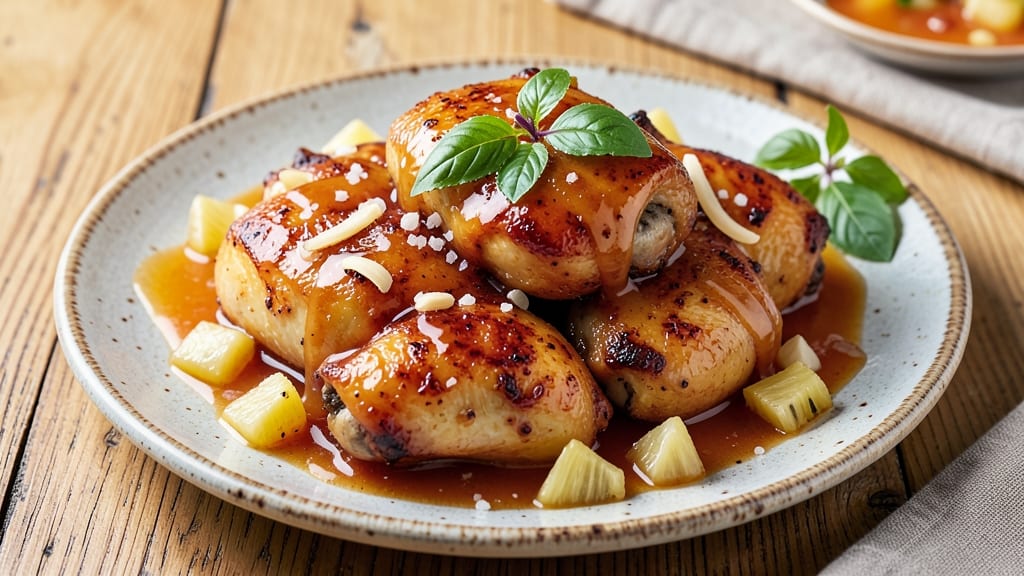
Cooking chicken in pineapple juice transforms ordinary chicken into something extraordinary—juicy, tender, and infused with tropical sweetness that clings to every bite. 🌟 The secret lies in the pineapple's natural enzymes and acidity, which break down proteins while adding a subtle tang that complements the chicken beautifully.
This isn't just a recipe; it's a flavor experience that elevates simple weeknight dinners into something memorable.
The process is straightforward but yields restaurant-quality results. You'll marinate the chicken in pineapple juice for at least 30 minutes—though longer marinating (up to 4 hours) deepens the flavor—before searing it to lock in those juices.
The pineapple juice tenderizes the meat while infusing it with a bright, slightly sweet profile that pairs perfectly with savory spices like garlic, ginger, and a touch of soy sauce for depth.
What you'll end up with is chicken that's impossibly tender with a golden-brown crust, all while carrying that tropical essence in every bite.
The pineapple juice doesn't just flavor the chicken—it becomes part of the dish, creating a sauce that can be reduced for a glossy finish or served alongside for dipping. This method works equally well for grilling, baking, or stovetop cooking, giving you flexibility for any occasion.
Serve with steamed rice, roasted vegetables, or fresh pineapple slices to complete the tropical theme. The versatility of this recipe makes it perfect for meal prep, family dinners, or even a special occasion—without the fuss of complicated techniques. Let's get cooking!
Ingredients for cooking chicken in pineapple juice
Pineapple juice and aromatic spices transform ordinary chicken into restaurant-quality tropical bites.
| Ingredient | Amount | Notes |
|---|---|---|
| Boneless, Skinless Chicken Thighs 🍗 | 1 ½ lb | Cut into even-sized pieces |
| Fresh Pineapple Juice 🍍 | 1 ½ cups | Freshly squeezed, no additives |
| Garlic Cloves 🧄 | 4 cloves | Minced for marinade |
| Fresh Ginger Root 🌿 | 2 tbsp | Grated, finely chopped |
| Soy Sauce 🥄 | 2 tbsp | Low-sodium preferred |
| Brown Sugar 🍚 | 2 tbsp | Lightly packed |
| Olive Oil 🫒 | 2 tbsp | Extra-virgin for searing |
| Lime Juice 🍋 | 2 tbsp | Freshly squeezed |
| Ground Black Pepper 🌶️ | 1 tsp | Freshly cracked |
| Salt 🧂 | 1 tsp | Diamond Crystal preferred |
| Fresh Pineapple Chunks 🍍 | 1 cup | For garnish, optional |
The pineapple juice is non-negotiable—freshly squeezed delivers the best enzymes for tenderizing. Whole Foods or Costco carry premium pineapples perfect for juicing, or grab a can of 100% pineapple juice (no additives) from Trader Joe's. For ginger, look for firm, knobby roots with smooth skin—Asian markets often have the freshest. The chicken thighs are key here; they stay juicier than breasts during the marinating process. If using chicken breasts, pound them to even thickness for consistency.
No fresh pineapple juice? Coconut water with 1 tbsp lime juice mimics the acidity, though it lacks the pineapple's depth. Substitute ginger with 2 tsp ground ginger, but fresh is superior. Soy sauce can be swapped for coconut aminos for a gluten-free option, though the flavor will differ slightly. Brown sugar can be replaced with maple syrup or agave for a vegan-friendly alternative. The lime juice adds brightness—skip it only if you prefer a sweeter profile, but it balances the marinade beautifully.
Marinated chicken keeps for 2 days in the fridge, though flavor deepens with longer marinating (up to 4 hours). The pineapple juice can be reused for another batch if strained through a fine-mesh sieve. For meal prep, store cooked chicken in airtight containers with a splash of reserved marinade to maintain moisture. The pineapple chunks for garnish? Store them separately—they'll keep for 3 days in the fridge, but their texture softens quickly.
Why You'll Love This Recipe
- Pantry-to-Table Speed: I swear by this when I’m starving but the fridge is empty—just chicken, pineapple juice, and a few pantry staples. No fancy prep, no waiting for produce to ripen, just dump-and-go with that bright, tangy marinade doing all the work.
- Sweet-Savory Magic: That ginger-soy-pineapple combo? It’s like a flavor bomb—juicy, slightly sweet, with a kick that lingers. The pineapple tenderizes the chicken while the garlic and ginger sear into crispy perfection (yes, even on the stovetop).
- Lunchbox Hero: Between us, this is my go-to for meal prep. The leftovers reheat like a dream—packed with lunchboxes, tossed in salads, or served over rice. My kids actually eat their veggies with it (no questions asked).
- Budget Win: Chicken thighs stretch further than breasts, and pineapple juice is cheaper than fresh fruit. Honestly, I make this twice a month just to keep grocery costs down—no guilt, all flavor. Plus, it’s one of those recipes where you’ll use every last drop of the marinade.
Step-by-step instructions for cooking chicken in pineapple juice
Master this tropical technique for chicken so tender it falls apart with a gentle pull.
🍳 Step 1: Marinate the Chicken for Maximum Flavor
In a large bowl, combine the 1.5 cups fresh pineapple juice, 2 tbsp soy sauce, 2 tbsp brown sugar, 2 tbsp lime juice, 1 tsp salt, and 1 tsp ground black pepper. Stir until the sugar dissolves completely—this creates a balanced marinade that tenderizes while adding sweet-tart depth.
Add the 1.5 lb boneless, skinless chicken thighs (cut into even-sized pieces) and the 4 cloves minced garlic. Gently toss to coat thoroughly. Cover and refrigerate for at least 4 hours (overnight is ideal). The acidity in the pineapple juice breaks down muscle fibers, while the sugar caramelizes slightly on the surface for extra flavor. You'll know it's ready when the chicken absorbs the marinade and develops a faint golden hue.
🔥 Step 2: Sear the Chicken for Irresistible Crust
Remove the chicken from the marinade (reserve the liquid) and pat dry with paper towels. Heat 2 tbsp olive oil in a large skillet over medium-high heat until shimmering. Working in batches if needed, add the chicken and cook undisturbed for 4-5 minutes per side until deeply golden brown. This sear creates a flavorful crust while sealing in juices.
Don't overcrowd the pan—this lowers the temperature and steams instead of sears. You'll see the edges develop a beautiful caramelized crust while the interior remains tender. Transfer the seared chicken to a plate and set aside.
🍳 Step 3: Simmer in Pineapple Marinade
Pour the reserved pineapple marinade into the same skillet (no need to clean it—the browned bits add flavor). Add the 2 tbsp grated fresh ginger root and bring to a gentle simmer over medium heat. The mixture should reduce slightly, intensifying the flavors as it cooks.
Return the chicken to the skillet, spooning the reduced marinade over the top. Cover and simmer for 15-20 minutes, turning occasionally, until the chicken reaches an internal temperature of 165°F. The pineapple juice will create a glossy, slightly sticky sauce that clings to every bite. If the sauce reduces too much, add a splash of water to maintain moisture.
🥘 Step 4: Garnish and Serve with Tropical Flair
Transfer the chicken to a serving platter and tent loosely with foil to keep warm. Spoon any remaining sauce from the skillet over the top. For presentation, arrange the 1 cup fresh pineapple chunks around the chicken or sprinkle them on top—this adds freshness and visual appeal.
Serve immediately with steamed jasmine rice or buttered noodles to soak up that luscious pineapple sauce. Each bite delivers perfectly balanced flavors: sweet from the caramelized marinade, tangy from the pineapple, and a subtle spice from the ginger. The chicken should be fork-tender with juices flowing freely when cut.
Pro Tips For Making Cooking Chicken In Pineapple Juice
- SEAR FIRST, THEN SIMMER: I used to toss raw chicken straight into the pineapple juice, thinking it’d cook evenly—but the thighs stayed pale and rubbery. Instead, hit a dry skillet with medium-high heat, sear the chicken for 3-4 minutes per side until golden, then pour in the juice. The crust locks in flavor and keeps the meat juicy.
- GRATE THAT GINGER: Fresh ginger is non-negotiable here, but don’t just chop it—grate it fine. I learned this after a batch tasted bland; the tiny surface area from minced ginger doesn’t infuse like a fine grate. Use about 1 tablespoon, let it sit in the juice for 10 minutes before adding chicken, and the dish sings.
- DON’T BOIL THE JUICE: Pineapple juice reduces fast, and if you let it boil hard, the chicken turns out tough. Keep it at a gentle simmer—tiny bubbles, occasional swirls—until the chicken hits 165°F. I used to rush it, and the texture suffered. Patience here makes all the difference.
- ADD SOY SAUCE LAST: Soy sauce adds depth, but add it too early and the color fades to muddy brown. Wait until the chicken’s almost done, then stir in 2 tablespoons (or more to taste) in the final 5 minutes. The bright, glossy finish is worth the extra minute.
Common mistakes when making your cooking chicken in pineapple juice
Over-Marinating Risks
The pineapple juice's acidity tenderizes chicken beautifully, but marinating for more than 4 hours can turn your chicken mushy. The enzymes in pineapple break down proteins aggressively, and beyond this time, the texture becomes compromised.
I’ve ruined perfectly good chicken by leaving it in too long—trust the 4-hour max unless you’re using a very acidic blend (like extra lime juice). Always check for a faint golden hue on the chicken as a visual cue it’s ready.
Skipping the Sear
Many home cooks rush to the simmering step, but skipping the sear means missing out on the golden-brown crust that adds depth of flavor. This crust locks in juices while creating a Maillard reaction that enhances the tropical notes.
Use a heavy-bottomed skillet like All-Clad or Lodge cast iron for even heat distribution. If your chicken isn’t seared, it’ll taste flat and less satisfying—don’t skip this step!
Using Bottled Pineapple Juice
Store-bought pineapple juice often contains preservatives or added sugars that alter the marinade’s balance. The enzymes in freshly squeezed juice are what tenderize the chicken effectively. If you must use bottled juice, look for 100% pure pineapple juice with no additives—Trader Joe’s or Whole Foods brands are reliable.
The difference in texture and flavor is noticeable, so invest in fresh when possible.
Ignoring the Resting Time
After cooking, chicken needs 5-10 minutes to rest before serving. This allows juices to redistribute, preventing them from running out when you cut into it. I’ve seen cooks serve chicken immediately, and it’s always drier.
Tent the chicken loosely with foil while it rests—this keeps it warm without steaming. Patience here makes all the difference in juiciness.
Overcrowding the Pan
Crowding the skillet while searing steams the chicken instead of browning it, leading to a pale, soggy result. Cook in single layers with space between pieces. If needed, work in batches—this ensures a proper sear every time.
A 12-inch skillet is ideal for 1.5 lbs of chicken thighs. Overcrowding is the fastest way to ruin an otherwise perfect dish.
Not Balancing Flavors
The marinade’s sweetness from brown sugar and pineapple needs balance—salt and acid (lime juice) are critical. Taste the marinade before adding chicken; it should be sweet-tart, not cloying. If it’s too sweet, add 1 extra tbsp lime juice.
If it’s too tart, add ½ tsp more brown sugar. Balance is key—your chicken should sing with harmony, not dominate with one flavor. 💫
Nutrition facts
Frequently asked questions
Can I use chicken breasts instead of thighs?
Yes, but with caution! Chicken breasts cook faster and can dry out when marinated in acidic pineapple juice. Pound them to ¼-inch thickness for even cooking, and reduce marinating time to 2-3 hours max. Use the same recipe, but check for 165°F internal temp sooner—12-15 minutes after searing. For extra moisture, add 1 tbsp coconut milk to the marinade.
How do I make this recipe gluten-free?
Swap the soy sauce for 3 tbsp coconut aminos (or gluten-free tamari) and use maple syrup instead of brown sugar. The flavor will be slightly different but still delicious. Double-check all labels—some pineapple juices contain hidden gluten from processing. For extra depth, add 1 tsp fish sauce (if avoiding gluten entirely).
Can I bake this instead of pan-searing?
Preheat oven to 375°F and bake the marinated chicken on a wire rack over a baking sheet for 25-30 minutes, basting with reserved marinade every 10 minutes. Finish under the broiler for 2-3 minutes to get that golden crust. Baking works well for meal prep—just store leftovers in airtight containers with extra sauce to keep them moist.
What if my pineapple sauce reduces too much?
No problem! If the sauce gets too thick, simply whisk in 1-2 tbsp water or chicken broth to loosen it. For extra richness, stir in 1 tbsp butter or coconut cream at the end. The sauce should coat the back of a spoon but remain pourable. If you prefer a thicker glaze, reduce it longer—just don’t let it burn!
How long will leftovers keep?
Cooked chicken in pineapple sauce stays fresh for 3-4 days in the fridge when stored in an airtight container. For longer storage, freeze for up to 3 months. Reheat gently in a skillet with a splash of water or microwave until 165°F internally. The sauce may thicken when reheated—thin with a little water if needed.