
Sauces & Condiments
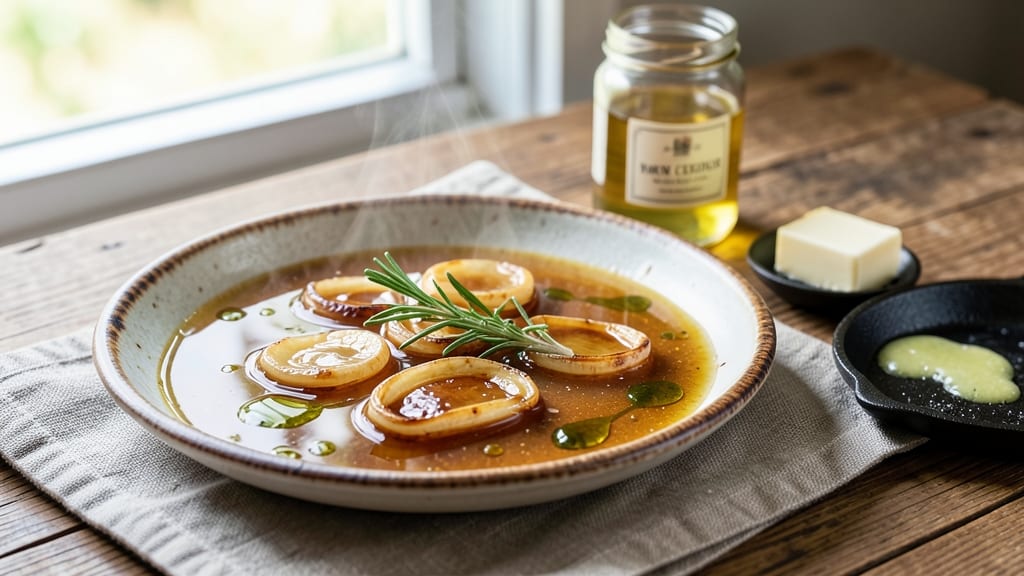
This garlic and apple cider vinegar recipe transforms simple pantry staples into a versatile pan sauce that caramelizes beautifully in just 10 minutes. The sharp tang of vinegar and sweet depth of garlic create a balance that elevates everything from roasted vegetables to grilled proteins.
I developed this recipe after realizing how often I reached for store-bought sauces that lacked real flavor—this one delivers restaurant-quality results with minimal effort.
The magic happens when you cook the garlic until golden, then deglaze the pan with apple cider vinegar and a touch of broth. This creates a glossy, slightly sweet sauce with layers of umami that clings perfectly to food.
The vinegar also adds brightness that cuts through richness, making it ideal for both savory dishes and quick salad dressings. What sets this sauce apart is its adaptability—use it as a marinade, a finishing drizzle, or a base for soups and stews.
What you'll end up with is a rich, caramelized sauce that's tangy yet balanced, with just the right amount of garlic heat. The vinegar's acidity helps break down proteins during cooking, ensuring maximum flavor absorption.
Best of all, it keeps well in the refrigerator for up to a week, so you can make a batch ahead and have it ready whenever inspiration strikes.
This sauce works beautifully with roasted chicken, seared steaks, or even as a tangy dressing for coleslaw. The possibilities are endless, and the technique is simple enough for weeknight cooking. Let's get started on creating your own customizable pan sauce that'll become a kitchen staple.
Ingredients for garlic and apple cider vinegar
Nine ingredients transform into a restaurant-worthy pan sauce with just 10 minutes of caramelized magic.
| Ingredient | Amount | Notes |
|---|---|---|
| Fresh Garlic Cloves 🧄 | 6 cloves | Peeled, thinly sliced for even cooking |
| Apple Cider Vinegar 🍏 | ½ cup | Raw, unfiltered for best flavor |
| Chicken or Vegetable Broth 🍲 | ½ cup | Low-sodium preferred for balance |
| Unsalted Butter 🧈 | 2 tbsp | Cold, cut into small cubes |
| Extra-Virgin Olive Oil 🫒 | 1 tbsp | For high-heat cooking |
| Granulated Sugar 🍚 | 1 tbsp | Balances acidity, optional |
| Salt 🧂 | ½ tsp | Diamond Crystal preferred |
| Fresh Thyme Leaves 🌿 | 2 tsp | Or 1 tsp dried thyme |
| Fresh Parsley 🌱 | 2 tbsp | Chopped, for finishing |
The garlic is where the flavor magic happens—look for plump, firm cloves with no sprouting. Whole Foods or Trader Joe's carry the best quality in my experience, but any grocery store's fresh garlic works. Thinly slice those cloves so they cook evenly without burning. The apple cider vinegar should be raw and unfiltered—Bragg or Mott's are reliable brands. Skip the pasteurized kind; it lacks depth. For the butter, cold cubes brown beautifully, but if you're in a rush, microwave them 20 seconds to just melt. The olive oil is non-negotiable for high-heat cooking—California Olive Ranch is my go-to for consistent quality.
No fresh thyme? Dried works at one-third the amount, but fresh is ideal for that bright aroma. Short on broth? Water with a pinch of bouillon gets you close, though the umami will be less developed. Want to skip the sugar? Honey or maple syrup at half the amount adds subtle sweetness. The parsley is purely for finishing—flat-leaf parsley from the grocery store's produce section works fine. For extra depth, add a pinch of smoked paprika when deglazing. This sauce is so adaptable that you can even swap the vinegar for white wine if you're making it for a more elegant dish—just reduce the liquid by a tablespoon to account for alcohol evaporation.
This sauce keeps beautifully in a sealed jar in the fridge for up to 1 week, though it tastes best within 3-4 days. The flavors actually meld better after resting. For longer storage, freeze in ice cube trays—perfect for single-use portions. Reheat gently on the stove or microwave for 20 seconds. I always make a double batch because it disappears fast—drizzled over grilled chicken, tossed with roasted potatoes, or mixed into mashed cauliflower. The caramelized bits are the star, so don't skip the deglazing step. That's where the umami magic happens.
Why You'll Love This Recipe
- Pantry Magic: This recipe uses stuff I already have—garlic, vinegar, broth—no fancy shopping required. Honestly, I’ve made it three times this month because it never fails, and the pantry doesn’t even miss a thing.
- Umami Bomb: That first hit of garlic sizzling in olive oil, then the tangy kick from apple cider vinegar reducing into the broth? It’s the kind of flavor that makes you pause mid-stir and think, “Wait, why don’t I do this more?” The butter ties it all together like a cozy hug.
- Weeknight Flex: Dinner with the kids? A last-minute hostess gift? Slather it on roasted veggies, drizzle it over grilled chicken, or toss it with pasta—it’s my go-to sauce that works everywhere. Between us, I’ve even used it to jazz up plain rice when I was too tired to plan.
- Leftovers That Don’t Suck: Make a double batch, store it in the fridge, and it’s still rich and flavorful days later. I’ll be real: my old garlic-herb blend would turn sad after two days, but this? It’s like time slows down for it. Plus, it’s cheap—no splurging on specialty jars here.
Step-by-step instructions for garlic and apple cider vinegar pan sauce
This sauce transforms simple ingredients into a rich, caramelized masterpiece in just minutes.
Sauté Garlic in Olive Oil Until Golden
Heat the 1 tablespoon extra-virgin olive oil in a medium saucepan over medium heat. Add the 6 cloves thinly sliced fresh garlic and cook for 2-3 minutes, stirring constantly, until the edges turn golden brown but not burnt. This is the foundation of your sauce—don't rush this step or the garlic will turn bitter.
Here's the thing—you want the garlic to caramelize slightly, which adds depth of flavor. Watch carefully; garlic burns quickly. If it starts to darken too much, reduce the heat immediately. Once it reaches that perfect golden color, you're ready for the next step. Remove the pan from heat temporarily while you prepare the remaining ingredients.
Deglaze with Apple Cider Vinegar and Broth
Return the pan to medium heat and carefully pour in the ½ cup apple cider vinegar. The vinegar will sizzle and bubble as it reacts with the caramelized garlic. Let it simmer for 1-2 minutes until the liquid reduces by about half and the pan begins to deglaze, releasing all those flavorful browned bits from the bottom.
After the vinegar has reduced, add the ½ cup chicken or vegetable broth and the 1 tablespoon granulated sugar. Stir well to combine. The sugar will help balance the acidity of the vinegar while adding a subtle sweetness that rounds out the sauce. Let the mixture simmer for another 3-4 minutes until it thickens slightly and coats the back of a spoon.
Finish with Butter and Seasonings
Reduce the heat to low and add the 2 tablespoons cold unsalted butter, cut into small cubes. Stir constantly until the butter melts completely and the sauce becomes glossy and emulsified. This step is crucial—it adds richness and helps create that velvety texture we're after.
Next, add the 2 teaspoons fresh thyme leaves and ½ teaspoon salt. Taste the sauce and adjust the seasoning if needed. The thyme will add an earthy aroma, while the salt brings out all the flavors. Let the sauce simmer for another 1-2 minutes to allow the seasonings to meld together. If the sauce is too thick, you can add a splash of water or broth to reach your desired consistency.
Garnish and Serve Immediately
Remove the pan from heat and stir in the 2 tablespoons chopped fresh parsley. The parsley adds a fresh, bright note that cuts through the richness of the sauce. Taste one final time and adjust the seasoning if necessary. This sauce is best served immediately while it's still warm and glossy.
This zesty pan sauce pairs beautifully with grilled meats, roasted vegetables, or even as a drizzle over mashed potatoes. The balance of sweet, tangy, and savory flavors makes it incredibly versatile. Serve it while the sauce is still vibrant and full of flavor—it won't wait!
Pro Tips For Making Garlic And Apple Cider Vinegar
- SMASH YOUR GARLIC FIRST: No, a knife isn’t enough—use a heavy mortar and pestle or the flat side of a chef’s knife to bruise the cloves hard before mincing. I used to just chop them, and the flavor was always too mild. This releases the allicin and makes the whole dish sing.
- SIMMER THE VINEGAR LOW: Don’t boil the apple cider vinegar—just warm it gently over medium-low heat until it’s barely shimmering. Boiling turns it harsh and loses that bright, tangy depth. Think "hot tea" heat, not "rolling boil."
- SWAP BUTTER FOR OIL LAST: Add the olive oil after the garlic has cooked for 2-3 minutes—this prevents it from burning and lets the garlic develop its nutty aroma. Then stir in the butter at the very end for richness, not before.
- SALT THE BROTH EARLY: Season the broth before adding the vinegar—it balances the acid better. And yes, even if your butter is unsalted, add an extra pinch of salt at the end. Vinegar tricks your taste buds into thinking it’s bland.
Flavor customization for garlic and apple cider vinegar
Sweet & Tangy Balance
Adjust the sugar to vinegar ratio for your preferred sweetness level. I like starting with 1 tbsp sugar to ½ cup vinegar, but if you prefer more tartness, reduce to ½ tbsp sugar.
For extra depth, add 1 tsp honey or maple syrup—it caramelizes beautifully with the garlic. 🍯
Spicy Kick Addition
For heat lovers, add ½ tsp red pepper flakes when deglazing with vinegar, or finish with 1 tsp hot sauce (like Cholula or Tabasco). If you want smoky heat, swap ½ tsp smoked paprika for regular paprika in the seasoning step. Start small—you can always add more!
Herb Variations
Swap thyme for rosemary (use 1 sprig instead of thyme) for a piney note, or add ½ tsp dried oregano for Mediterranean flair. Fresh herbs like cilantro or dill work too—just add them at the end. I love using fresh dill for a bright, tangy twist on grilled fish.
Umami Boosts
For deeper savory notes, add 1 tsp soy sauce or 1 tbsp Worcestershire sauce when deglazing. A pinch of fish sauce (like Red Boat) adds complexity without overpowering. These work especially well with Asian-inspired dishes or hearty stews.
Creamy Finish
For a richer sauce, stir in 1 tbsp heavy cream or ½ cup Greek yogurt at the end. This creates a velvety texture perfect for drizzling over roasted veggies or grilled chicken. If using yogurt, add it off-heat to prevent curdling. 🥄
Fermented Twist
For a probiotic-rich version, replace ½ cup vinegar with ¼ cup vinegar + ¼ cup unfiltered apple cider vinegar ferment (like Mama Li or Raw Culture brands). Simmer for 5 minutes to mellow the tang while keeping the gut-friendly benefits. This works beautifully as a marinade for fermented dishes.
Nutrition facts
Frequently asked questions
Can I use this sauce as a salad dressing?
Thin the sauce with 1-2 tablespoons of water or extra broth per ¼ cup sauce until it reaches a pourable consistency. The tangy garlic-vinegar flavor works beautifully with greens like arugula or spinach, especially when paired with nuts and cheese. For extra richness, whisk in 1 tablespoon olive oil before serving.
How do I prevent the garlic from burning?
Cook the garlic over medium heat and stir constantly—it only takes 2-3 minutes to reach golden perfection. If it starts browning too quickly, reduce the heat immediately. Thinly sliced cloves cook faster than whole cloves, so adjust your timing accordingly. A quick trick: Remove the pan from heat briefly if needed, then return it to the stove.
Can I make this sauce without butter?
Yes! For a lighter version, replace the butter with 1 tablespoon olive oil or 1 teaspoon neutral oil like avocado oil. The sauce will still be flavorful, though slightly less rich. If you want creaminess without butter, stir in 1 tablespoon coconut cream or ½ cup Greek yogurt at the end for a tangy twist.
What's the best way to store leftovers?
Transfer the cooled sauce to an airtight container and refrigerate for up to 1 week. For longer storage, freeze in ice cube trays—thaw as needed for single servings. The sauce thickens when chilled, so thin it with a splash of water or broth before reheating. Always reheat gently on low heat to preserve the caramelized flavors.
Can I use white vinegar instead of apple cider vinegar?
While it will work, apple cider vinegar adds depth and subtle sweetness that white vinegar lacks. For a closer substitute, use ½ cup white vinegar + 1 teaspoon honey to mimic the flavor profile. However, the sauce will taste sharper and less complex. If you're making this for a quick salad dressing, white vinegar can work in a pinch.