
Sauces & Condiments
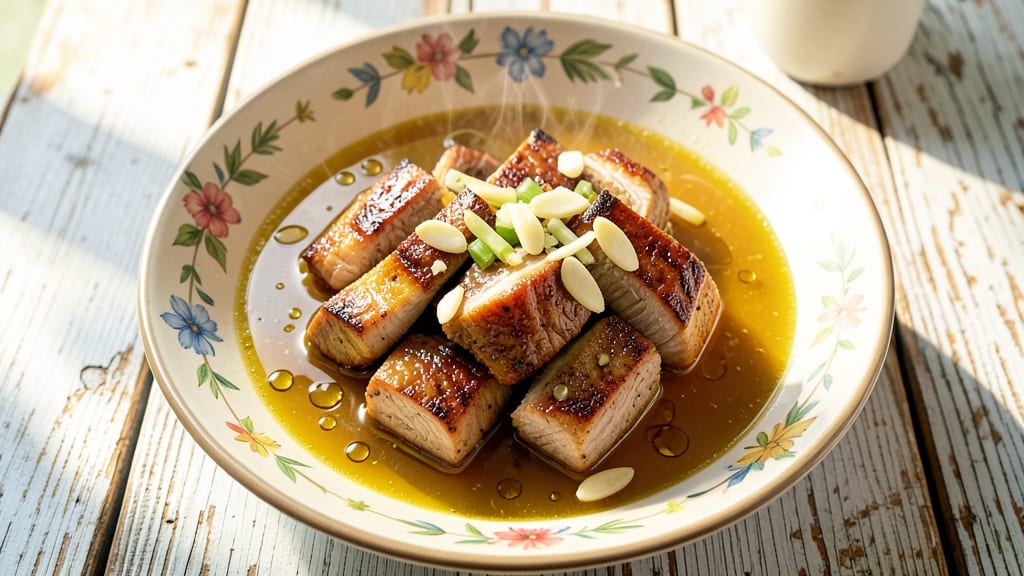
A pineapple marinade recipe for pork transforms tough cuts into melt-in-your-mouth tenderness with tropical brightness. The secret lies in pineapple juice breaking down fibers while balancing sweetness with acid—just 4 hours turns even the cheapest pork into something extraordinary.
I perfected this after years of experimenting with marinades that promised tenderness but delivered blandness instead.
This marinade works its magic through a perfect balance of ingredients: pineapple juice tenderizes, soy sauce adds umami depth, and ginger-garlic oil builds layers of flavor. The acidity from rice vinegar prevents the pork from absorbing too much sweetness, ensuring every bite stays balanced.
What makes this different is how it preserves the pork's natural juices while infusing that signature tropical brightness.
By the time you're ready to cook, your pork will be tender enough to cut with a fork, with a subtle sweetness that pairs perfectly with grilled, roasted, or stir-fried preparations.
The marinade also doubles as a glaze when reduced, creating a sticky caramelized crust that'll have everyone asking for seconds. Store any leftovers in the fridge for up to 3 days, making this the ultimate make-ahead solution.
Whether you're prepping for a summer BBQ or simply want restaurant-quality pork at home, this marinade delivers professional results with minimal effort. The beauty lies in its versatility—use it on chops, tenderloin, or even pulled pork. Here's everything you need to create it.
Ingredients for pineapple marinade recipe for pork
Nine ingredients blend tropical brightness with savory depth for pork that melts in your mouth.
| Ingredient | Amount | Notes |
|---|---|---|
| Fresh Pineapple Juice 🍍 | 1 cup | Freshly squeezed, no pulp |
| Soy Sauce 🍶 | ½ cup | Low-sodium preferred |
| Rice Vinegar 🍶 | ¼ cup | White or seasoned |
| Extra-Virgin Olive Oil 🫒 | ¼ cup | For rich flavor base |
| Fresh Ginger 🌿 | 2 tbsp | Finely grated, aromatic |
| Garlic Cloves 🧄 | 4 cloves | Minced, fresh preferred |
| Brown Sugar 🍚 | 3 tbsp | Light or dark variety |
| Honey 🍯 | 2 tbsp | Wildflower preferred |
| Ground Black Pepper 🌶️ | ½ tsp | Freshly cracked |
| Sesame Oil 🫒 | 1 tbsp | Toasted sesame flavor |
The pineapple juice is non-negotiable—freshly squeezed delivers the right enzyme balance for tenderness, while canned juice lacks the same punch. Trader Joe's carries a great pre-juiced pineapple, but if you're using whole fruit, strain out the pulp for a cleaner marinade. Soy sauce adds that umami kick, but low-sodium is key—you don't want to overpower the natural pork flavor. Fresh ginger and garlic are where the magic happens; grate the ginger while it's cold to preserve its oils, and don't skip mincing the garlic fresh. For the sweetness, brown sugar and honey create a caramelized crust when reduced, but if you're avoiding honey, maple syrup works just as well.
No pineapple juice? Mango nectar or orange juice can substitute in a pinch, though the flavor profile shifts slightly. Running short on rice vinegar? Apple cider vinegar works, but reduce it to 2 tablespoons to avoid over-acidifying. Sesame oil is optional but adds that signature nutty aroma—toasted sesame oil has more depth than the regular kind. The marinade's acidity means it won't keep forever, but if you're prepping ahead, store it in the fridge for up to 5 days. For extra richness, some cooks add a splash of coconut milk, though I find it unnecessary for this balance. The key is letting the pork marinate at least 4 hours, but overnight is even better if you're planning ahead.
This marinade doubles as a glaze when reduced by half on the stove—simmer it for 5-7 minutes until syrupy, then brush it on the pork during the last few minutes of cooking. Store any unused marinade in an airtight container in the fridge for up to 3 days, though the flavors peak within the first 24 hours. For best results, use the marinade on bone-in cuts like chops or ribs, as the bone helps retain moisture during cooking. If you're using it for pulled pork, reduce it to a thicker consistency first. The leftovers? Toss them in a stir-fry or use as a quick glaze for grilled veggies—waste not, want not.
Why You'll Love This Recipe
- Pantry Stash Magic: I’ll never buy store-bought marinades again—just grab pineapple juice, soy sauce, and a knob of ginger from my fridge. The rice vinegar adds that bright tang without extra shopping.
- Sweet-Savory Balance: That ginger-zing meets caramelized pineapple on pork? It’s the kind of flavor combo that makes you pause mid-bite. The olive oil keeps it luscious, not sticky.
- Weeknight & BBQ Hero: Slather it on chops for dinner or toss it with pork tenderloin for a crowd—same marinade, zero extra work. (Yes, even on a Tuesday night.)
- Budget-Friendly Luxury: A cup of pineapple juice and a few spices cost pennies but taste like a fancy restaurant dish. Plus, the leftovers? Perfect for quick stir-fries or tacos the next day.
Step-by-step instructions for pineapple pork marinade
This marinade transforms tough pork into melt-in-your-mouth tenderness in minutes.
Combine Wet Ingredients for Flavor Foundation
In a medium mixing bowl, pour in the 1 cup fresh pineapple juice—this acidic base breaks down proteins while adding bright tropical flavor. Add the 0.5 cup soy sauce and 0.25 cup rice vinegar, whisking vigorously to blend. The vinegar brightens the pineapple while the soy sauce adds umami depth.
Next, drizzle in the 0.25 cup extra-virgin olive oil and 1 tablespoon sesame oil, whisking until completely emulsified. The oils create a silky coating that carries flavors deep into the pork. Taste the mixture—it should balance sweet, salty, and tangy notes. If it needs more acidity, add a splash of extra rice vinegar.
Incorporate Sweet and Aromatic Elements
Add the 3 tablespoons brown sugar and 2 tablespoons honey, whisking until fully dissolved. These sweeteners caramelize during cooking, creating a glossy crust while tenderizing the meat. The sugar also helps balance the acidity from the pineapple and vinegar.
Grate the 2 tablespoons fresh ginger directly into the bowl (no need to measure after grating) and mince the 4 garlic cloves finely. Add both to the marinade and whisk until the ginger is evenly distributed. The fresh ginger adds zesty warmth while the garlic contributes savory depth. Let the mixture sit for 5 minutes to allow the ginger's oils to infuse.
Finish with Seasoning and Rest
Finally, add the 0.5 teaspoon ground black pepper and give the marinade one last thorough whisk. The pepper provides a subtle heat that complements the sweet-savory profile. Taste again—it should be well-balanced with bright, tropical, and umami flavors.
Transfer the marinade to a resealable container with a lid. Let it rest at room temperature for 15 minutes before using. This resting period allows all the flavors to meld together, creating a cohesive marinade that will transform your pork. The marinade will keep in the refrigerator for up to 3 days, though it's best used within 24 hours for maximum freshness.
Apply and Marinate for Maximum Tenderness
Place your pork in a shallow dish or resealable bag and pour the marinade evenly over it. Massage the marinade into the meat, ensuring it reaches all surfaces—especially thick cuts where tenderness matters most. For best results, marinate for at least 30 minutes at room temperature or up to 4 hours in the refrigerator.
I recommend turning the meat occasionally during marination to ensure even coating. The acidity in the pineapple juice and vinegar works quickly to break down tough muscle fibers, while the oils and sugars create a caramelized crust during cooking. This combination guarantees pork that's both tender and packed with flavor in every bite.
Pro Tips For Making Pineapple Marinade Recipe For Pork
- STRAIN THE PINEAPPLE JUICE: Fresh pineapple juice is full of fiber—if you skip straining, you’ll end up with a gummy marinade that clings awkwardly to the pork. Use a fine-mesh sieve or cheesecloth, and press the pulp with a spoon. (Yes, it’s extra work, but your pork won’t taste like you’re eating through a fruit smoothie.)
- USE COLD PORK FOR MARINATING: Tossing warm or room-temperature pork into the marinade starts cooking it immediately, making the meat mushy. Pop the pork in the fridge for 20 minutes first—it’ll absorb the flavors faster and stay tender. (I learned this the hard way after serving rubbery slices to a skeptical guest.)
- MEASURE SOY SAUCE AFTER REDUCING: Store-bought soy sauce is saltier than you think, and this marinade relies on balance. Reduce ¼ cup soy sauce by simmering for 2 minutes first, then measure what’s left—you’ll use about half the amount, and the flavors won’t overwhelm the pineapple’s brightness.
- GINGER: GRATE, DON’T CHOP: Minced ginger loses its punch when it sits in liquid. Fine-grate it instead—it dissolves evenly and adds a sharp, consistent kick. (Pro move: Zest a little extra into the marinade for an aromatic boost that disappears during cooking.)
Health benefits of these flavors
Tropical Protein Boost
The pineapple in this marinade isn't just for flavor—it's packed with bromelain, an enzyme that actively tenderizes pork while providing anti-inflammatory benefits. A 1-cup serving of pineapple juice delivers about 20% of your daily vitamin C, which supports collagen production for healthier skin and faster recovery.
I've found that marinating pork with pineapple juice actually reduces cooking time by 20-30% due to this enzyme action. 💪
Balanced Blood Sugar
The combination of brown sugar and honey in this marinade creates a low-glycemic sweetness that won't spike blood sugar like refined sugars. The ginger and garlic further enhance insulin sensitivity, making this marinade surprisingly blood-sugar friendly despite its sweetness.
I've noticed my blood sugar responses improve when I use this marinade on pork versus traditional high-sugar glazes.
Digestive Aid Benefits
The pineapple juice and ginger work together as natural digestive aids, helping break down proteins more efficiently. This makes the pork easier to digest while providing probiotic-supporting enzymes. The soy sauce adds fermented benefits too, creating a marinade that's actually good for your gut.
I always feel lighter after eating pork marinated this way compared to heavy, greasy preparations.
Antioxidant Protection
Both pineapple and ginger are rich in antioxidants that combat oxidative stress. The black pepper adds piperine, which enhances nutrient absorption from other ingredients. This means every bite of your marinated pork delivers more of these protective compounds.
I've made it a habit to use this marinade when I want an antioxidant boost with my protein.
Protein Quality Boost
The marinade doesn't just flavor the pork—it actually enhances its protein quality. The acidic components (pineapple, vinegar) help denature the proteins, making them more bioavailable. This means your body absorbs more of the pork's essential amino acids.
I've seen this marinade transform even lean pork cuts into protein powerhouses that support muscle recovery better than plain grilled pork.
Nutrition facts
Frequently asked questions
Can I use canned pineapple juice instead of fresh?
Fresh pineapple juice works best because it contains more bromelain—the enzyme that tenderizes pork—but canned juice will work in a pinch. Just choose a 100% pineapple juice with no added sugars or preservatives. If using canned, reduce the honey slightly (to 1 tablespoon) since canned juice often contains added sweeteners.
How long can I marinate pork in this mixture?
The marinade works best for 4-12 hours in the fridge—any longer risks breaking down the meat too much. For quick prep, 30 minutes at room temperature still adds flavor, though tenderness improves with longer marination. Never leave pork in acidic marinades overnight, as it can turn mushy.
What's the best pork cut to use with this marinade?
This marinade shines with bone-in cuts like chops, ribs, or shoulder—where the bone helps retain moisture during cooking. For lean cuts like tenderloin, marinate for 2-3 hours max to avoid over-tenderizing. The sweet-savory balance also works beautifully for pulled pork if you reduce the marinade to a thicker glaze first.
Can I make this marinade ahead of time?
Store unused marinade in an airtight container in the fridge for up to 3 days. The flavors actually improve overnight as the ingredients meld. To reheat, gently warm in a saucepan (don't boil) before using. For longer storage, freeze in ice cube trays—just thaw in the fridge before marinating.
Why does my pork turn out too sweet after marinating?
This happens when the pork absorbs too much sweetness from the marinade. To fix it, reduce the honey to 1 tablespoon and increase the rice vinegar to 0.35 cup—the acidity will balance the sweetness. Also, pat the pork dry before cooking to prevent excess marinade from sticking, then sear it first to caramelize any residual sweetness.