
Sauces & Condiments
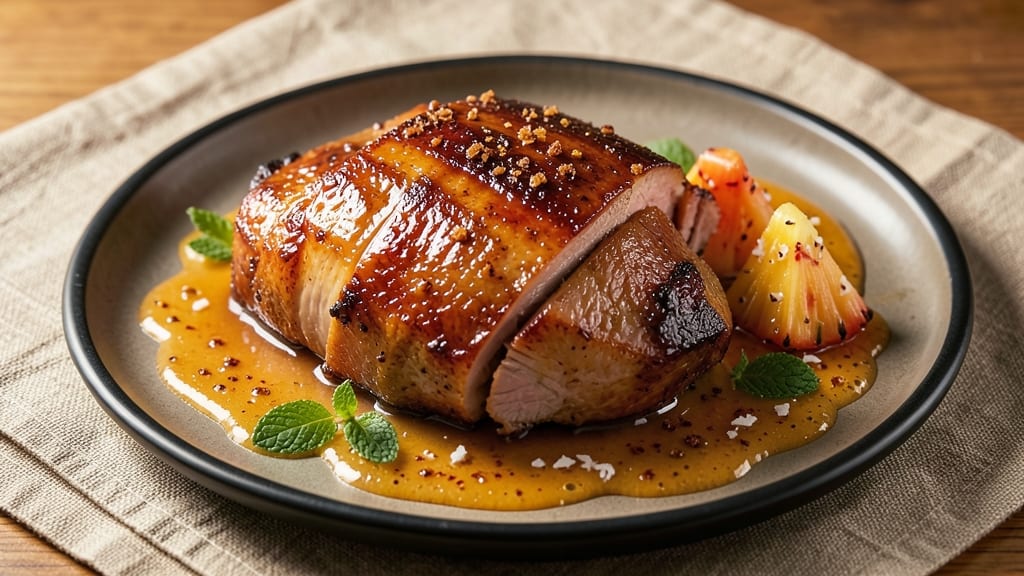
This pineapple sauce for baked ham transforms holiday dinners with its caramelized sweetness and tangy depth. The perfect balance of pineapple juice, brown sugar, and warm spices creates a glossy glaze that clings beautifully to ham while cutting through its richness.
I developed this recipe after years of testing—it’s the one that finally earned compliments instead of "too sweet" or "too thin." The secret lies in slow simmering until the sauce thickens to a sticky, syrupy consistency, then finishing with a splash of vinegar for brightness.
A pinch of mustard and cinnamon adds complexity that elevates it beyond basic fruit sauce territory. It’s simple to make but feels like a restaurant-quality touch for your centerpiece.
What you’ll end up with is a glossy, aromatic sauce that caramelizes into a deep amber hue, with flavors that harmonize perfectly with ham’s savory notes. The pineapple’s natural acidity balances the sugar, while spices add warmth that lingers on the palate.
This isn’t just a topping—it’s the star of your table. Store any leftovers in the fridge for up to a week, or freeze for longer shelf life. The sauce tastes even better the next day as flavors meld further. Let’s make this tropical glaze that’ll have everyone asking for seconds.
Ingredients for pineapple sauce for baked ham
Nine simple ingredients create this restaurant-worthy ham glaze—tropical, caramelized, and full of holiday flavor.
| Ingredient | Amount | Notes |
|---|---|---|
| Pineapple Juice 🍍 | 1 ½ cups | Freshly squeezed preferred |
| Light Brown Sugar 🍚 | 1 cup | Packed firmly for sweetness |
| Orange Juice 🍊 | ½ cup | Freshly squeezed for brightness |
| Apple Cider Vinegar 🍶 | 2 tbsp | For tangy depth |
| Dijon Mustard 🥫 | 1 tbsp | Adds subtle complexity |
| Ground Cinnamon 🌿 | 1 tsp | Warm spice balance |
| Ground Cloves 🌶️ | ¼ tsp | Pinch for aromatic warmth |
| Unsalted Butter 🧈 | 2 tbsp | For glossy finish |
| Salt 🧂 | ½ tsp | Kosher or sea salt |
| Fresh Orange Zest 🍊 | 1 tbsp | Bright citrus aroma |
The pineapple juice is non-negotiable here—canned juice works, but fresh is better. Dole or Del Monte brands are reliable for canned juice. Brown sugar should be packed firmly for accurate measuring, and light brown gives better caramelization than dark. I always grab extra orange juice—it keeps for a week in the fridge, and the zest adds that extra pop. For the butter, unsalted is essential—it lets the other flavors shine without competing.
No fresh orange juice? Bottled works in a pinch, but add a splash of lemon to brighten it up. Substituting maple syrup for brown sugar? Use half the amount—it's sweeter. Out of cloves? Allspice or nutmeg can stand in, but the flavor will be different. The Dijon mustard is key—avoid regular mustard, as it lacks the smooth, complex flavor. For extra richness, add a tablespoon of heavy cream at the end, but it's not required.
This sauce tastes even better the next day as flavors meld. Store leftovers in an airtight container in the fridge for up to 1 week, or freeze for 3 months. I always make a double batch—one for the ham, one to drizzle over roasted potatoes or serve with dinner rolls. The sauce thickens as it cools, so thin with a splash of water if needed before serving.
Why You'll Love This Recipe
- Here’s what sold me: the way the caramelized brown sugar meets the tangy vinegar and bright pineapple. It’s not cloying, not too sharp—just that perfect push-and-pull that makes every bite of ham feel like a little vacation.
- Five-Ingredient Magic: Honestly, you’re looking at a sauce that’s basically a pantry raid—no fancy shopping needed. Brown sugar, Dijon, and a splash of orange juice? That’s it for the heavy lifting, and the pineapple juice ties it all together with zero fuss.
- Sweet-Tart Balance: Here’s what sold me: the way the caramelized brown sugar meets the tangy vinegar and bright pineapple. It’s not cloying, not too sharp—just that perfect push-and-pull that makes every bite of ham feel like a little vacation.
- Holiday or Tuesday Night: Between us, this sauce works for Thanksgiving leftovers and a lazy Sunday brunch. Drizzle it on ham slices for sandwiches, or toss it with rice for a quick stir-fry. I’ve even used it as a glaze for roasted chicken—versatile enough to play hero in multiple meals.
Step-by-step instructions for pineapple glaze that caramelizes to sticky sweetness
This tropical glaze transforms your baked ham into a showstopper with minimal effort.
Combine All Ingredients in a Saucepan
In a medium saucepan, whisk together the 1.5 cups pineapple juice, 1 cup packed light brown sugar, 0.5 cup orange juice, 2 tablespoons apple cider vinegar, and 1 tablespoon Dijon mustard. This combination creates the perfect balance of sweet, tangy, and slightly complex flavors that define this glaze. I like to use a wooden spoon here because it helps scrape up any sugar that might cling to the sides later.
Add the 1 teaspoon ground cinnamon, 0.25 teaspoon ground cloves, 0.5 teaspoon salt, and 1 tablespoon fresh orange zest. The spices and zest will infuse the glaze with warm, aromatic notes that complement the tropical flavors. Give everything a good stir to ensure the spices are evenly distributed throughout the mixture.
Simmer Until Thickened
Place the saucepan over medium heat and bring the mixture to a gentle boil. Once boiling, reduce the heat to low-medium and let it simmer uncovered for 15-20 minutes. You'll notice the mixture gradually thickens and reduces, becoming glossy and syrupy. This is where the magic happens—the sugars caramelize, deepening the flavor and creating that perfect sticky consistency.
Real talk: Don't walk away during this step. You want to keep an eye on the sauce to prevent it from boiling over, especially as it thickens. If it starts to bubble too vigorously, reduce the heat slightly. You're aiming for a glaze that coats the back of a spoon but isn't so thick it's paste-like.
Finish with Butter for Gloss and Richness
Once the glaze has thickened to your desired consistency, remove the pan from heat and stir in the 2 tablespoons unsalted butter. The butter adds a luxurious sheen and balances the acidity from the vinegar. Let the butter melt completely, then give the glaze one final taste. Adjust the seasoning if needed—you might want to add a pinch more salt or a splash of orange juice to fine-tune the balance.
Here's the thing—this glaze is best used immediately, but if you need to hold it for a bit, keep it warm over very low heat. The longer it sits, the thicker it becomes, so don't let it sit too long before brushing it onto your ham. The residual heat from the ham will help it melt and spread beautifully, creating that signature caramelized crust.
Brush onto Baked Ham During the Last 30 Minutes
When you're ready to glaze your ham, preheat your oven to 325°F if it's not already there. Using a pastry brush, generously coat the ham with the pineapple glaze, making sure to get into all the crevices. I like to work in layers—brush on a good amount, then return the ham to the oven for 15 minutes to let the glaze start caramelizing.
After those 15 minutes, give it another brushing, then return it to the oven for another 10-15 minutes until the glaze is deeply caramelized and sticky. This layering technique ensures even coverage and that beautiful glossy finish. Watch closely during the last few minutes—you want the glaze to be golden brown and bubbly, not burnt. The ham is done when the internal temperature reaches 145°F for the meat and 155°F for the bone.
Pro Tips For Making Pineapple Sauce For Baked Ham
- Simmer Slowly: The sauce will thicken unevenly if you rush it—keep it at a gentle boil for 10-12 minutes, stirring every 2-3 minutes. I used to crank the heat and end up with a sticky mess that needed thinning later.
- Use Fresh Juice: Store-bought pineapple juice tastes artificial next to fresh—blend and strain a pineapple if you can. The same goes for orange juice; bottled works, but fresh brightens the whole dish.
- Balance the Sweet: Brown sugar dominates fast. Start with 3/4 cup, taste after simmering, then add the rest. I learned this after making a sauce so cloying my family reached for the ham instead.
- Add Mustard Last: Dijon mustard burns easily. Stir it in during the final 2 minutes of simmering—this keeps the flavor sharp and prevents that bitter aftertaste. (Yes, I’ve ruined batches by adding it too early.)
Storing and reheating your leftovers
Fridge Storage Tips
Store your pineapple glaze in an airtight container in the fridge for up to 1 week. The flavors actually deepen overnight, becoming richer and more complex. I always use glass jars because they preserve the sauce's glossy texture better than plastic.
Let the glaze cool completely before sealing to prevent condensation, which can dilute the flavors. 🌡️
If you notice the glaze has thickened too much after refrigeration, simply reheat it gently over low heat while stirring in 1-2 tablespoons of water until it reaches a smooth, pourable consistency. This works perfectly for brushing onto cold ham slices or drizzling over dessert.
Freezer Storage
For longer storage, freeze the glaze in ice cube trays or small silicone molds—this makes it easy to thaw just what you need. Once frozen, transfer the cubes to a freezer-safe bag and flatten to save space.
The sauce keeps its quality for up to 3 months in the freezer, though I recommend using it within 2 months for peak flavor.
To thaw, transfer the frozen glaze to the fridge overnight. If you're in a hurry, place the frozen cubes in a microwave-safe bowl and heat on 50% power in 30-second intervals, stirring between each interval. Avoid boiling to prevent the sauce from separating.
Reheating Methods
For the best results, reheat the glaze in a small saucepan over low heat with 1 tablespoon of water to help it melt smoothly. Stir constantly to prevent scorching, and heat until it reaches a warm, pourable consistency—about 2-3 minutes.
This method preserves the sauce's natural gloss and prevents it from becoming grainy.
If you're short on time, microwave reheating works in a pinch. Place the glaze in a microwave-safe bowl, cover loosely with a paper towel, and heat on high for 20-30 seconds.
Stir well, then heat in 10-second bursts until fully melted. The paper towel prevents splattering while keeping the sauce from drying out.
Reviving Thickened Glaze
If your stored glaze has thickened too much, don’t toss it! Add 1 tablespoon of water or pineapple juice per ½ cup of glaze and warm over low heat while stirring constantly.
The extra liquid helps restore the sauce’s silky texture without diluting its rich flavor. This trick works especially well for glaze that’s been in the fridge for a few days.
For extra richness after reheating, stir in 1 teaspoon of unsalted butter or a splash of orange juice to brighten the flavors. The glaze should coat the back of a spoon but still flow easily—this is the ideal consistency for brushing onto ham or drizzling over sides. 💫
Nutrition facts
Frequently asked questions
Can I make this pineapple glaze ahead of time?
This glaze actually tastes better when made a day ahead. Store it in an airtight container in the fridge for up to 1 week, and the flavors will meld beautifully. Just reheat gently with 1 tablespoon of water before brushing onto your ham to restore its smooth consistency.
What if my glaze gets too thick while simmering?
Don't worry—just add 1-2 tablespoons of water or pineapple juice and stir until smooth. The key is to keep it at a low-medium heat and watch closely. You want a sauce that coats the back of a spoon but still flows easily when brushed onto the ham.
Can I substitute pineapple juice with crushed pineapple?
Yes, but with adjustments! Use 1 cup crushed pineapple (drained)strong> plus 0.5 cup extra water to replace the 1.5 cups pineapple juice. The texture will be slightly thicker, so simmer for 5-10 extra minutes to achieve the same glossy consistency. Strain if you prefer a smoother glaze.
How much glaze should I use for a typical holiday ham?
For an 8-10 pound ham, make the full recipe and expect to use about 1.5 cups total. Brush generously in layers during the last 30 minutes of baking. If your ham is smaller (5-7 pounds), halve the recipe—this glaze is rich and goes a long way!
What other meats pair well with this glaze?
This versatile glaze works beautifully on roasted pork tenderloin, spiral-cut ham, or even grilled chicken. For pork chops, reduce the recipe by half and brush on during the last 10 minutes of cooking. The tropical flavors also complement baked sweet potatoes or cornbread as a side.