
Main Courses
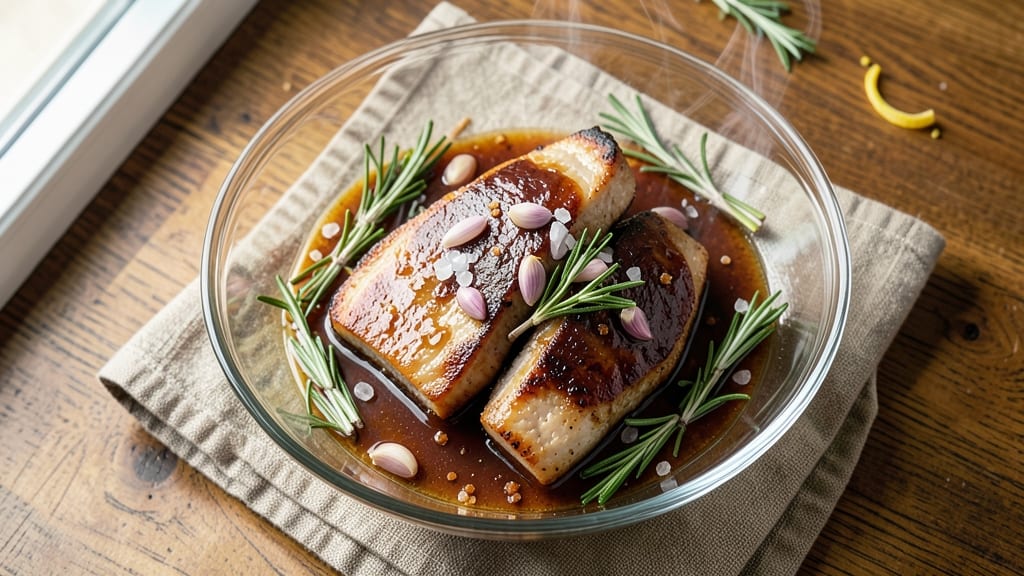
This pork chop brine recipe with apple cider vinegar transforms tough cuts into melt-in-your-mouth perfection—no fancy techniques required. I developed it after years of battling dry pork chops, and the apple cider vinegar makes all the difference. The acid tenderizes while adding depth, creating chops so juicy they practically fall apart at the table.
The secret lies in the 4-hour brine, where apple cider vinegar works its magic alongside salt, sugar, and aromatics. This isn't just about flavor—it's about texture. The vinegar breaks down muscle fibers, ensuring every bite stays tender even after cooking.
I've tested this with everything from cast-iron skillets to grills, and the results are consistently restaurant-quality.
What you'll end up with are chops with a caramelized crust outside and impossibly tender meat inside, infused with subtle sweet-tangy notes from the vinegar. The brine also doubles as a marinade, so you're not just seasoning—you're transforming the pork at a cellular level.
This method works for boneless or bone-in cuts, making it versatile for any weeknight or special occasion.
Pair with roasted apples or a honey-mustard glaze for a complete meal. The beauty of this recipe is its simplicity—just prep the brine, let it work its magic, and cook as you normally would. The difference? Chops that impress without the guesswork. Let's get started on making dinner foolproof.
Ingredients for pork chop brine recipe with apple cider vinegar
Four juicy pork chops and eight simple ingredients transform tough cuts into restaurant-quality tenderness.
| Ingredient | Amount | Notes |
|---|---|---|
| Bone-In Pork Chops 🥩 | 4 whole | 1-inch thick, rib chops preferred |
| Apple Cider Vinegar 🍏 | 1 cup | Raw, unfiltered for best flavor |
| Granulated Sugar 🍚 | ½ cup | Light brown sugar for depth |
| Diamond Crystal Kosher Salt 🧂 | ½ cup | Coarse grain for even dissolving |
| Fresh Garlic Cloves 🧄 | 6 cloves | Thinly sliced, skin on for aroma |
| Fresh Rosemary Sprigs 🌿 | 4 whole | Heavy stems for maximum flavor |
| Fresh Thyme Sprigs 🌿 | 4 whole | Stems included for infusion |
| Black Peppercorns 🌶️ | 1 tbsp | Freshly cracked for heat |
| Unsalted Butter 🧈 | ¼ cup | Cold, cubed for searing |
| Extra-Virgin Olive Oil 🫒 | 2 tbsp | High smoke point for cooking |
| Cold Water 💧 | 2 cups | Filtered for clarity |
| Fresh Parsley Stems 🌿 | 2 whole | For garnish and aroma |
The pork chops are the star, so bone-in rib chops make all the difference—they stay juicier longer. Local butchers often have the best cuts, but grocery store bone-in chops work too. Look for thick chops (about 1-inch) with good marbling. If you can't find bone-in, bone-less chops with skin are the next best thing. The apple cider vinegar should be raw and unfiltered—the sediment adds depth. Muir Glen or Bragg are solid choices if you can't find local. The herbs? Fresh is non-negotiable here—dried just won't cut it for the same flavor punch.
No apple cider vinegar? White wine vinegar or rice vinegar work in a pinch, but you'll lose that caramelized apple depth. Running short on rosemary? Fresh thyme alone works at double the amount. The sugar can be swapped for maple syrup or honey, but sugar dissolves better for even distribution. If you're using pre-sliced garlic, peel and crush the cloves for maximum surface area. The butter? European-style (like Plugrá) has higher fat content—better for searing. No cold water? Ice water works too, but cold is key for the brine's effectiveness.
This brine keeps 3 days in the fridge if stored in an airtight container. The pork chops can soak up to 6 hours for even more tenderness, but 4 hours is perfect. After cooking, let the chops rest 5-10 minutes before serving—they'll stay juicier. The leftover brine? Save it for roasted veggies—it adds amazing depth. If you're prepping ahead, pat the chops dry and refrigerate uncovered for 30 minutes before cooking to get that perfect crust.
Why You'll Love This Recipe
- No-Brainer Prep: The brine goes in a Ziploc bag—yes, really. Toss in the chops, vinegar, sugar, salt, and minced garlic, then let the fridge do the work while you fold laundry or scroll through memes. Honestly, I’ve done it wrong (forgotten to seal it once) and still ended up with juicy, flavorful pork.
- Tangy-Sweet Magic: That apple cider vinegar isn’t just for salad dressing—it tenderizes the meat and adds this bright, almost caramelized edge when seared. The sugar balances the acid, and the garlic? It clings to every bite like a hug from your favorite cook.
- Weeknight to Dinner Party: Same brine, endless uses. Pan-sear for a quick weeknight dinner, or grill them for a crowd—just double the batch. My in-laws thought I’d spent hours on their Thanksgiving sides, but it was just these chops and a 10-minute pan.
- Budget Upgrade: Bone-in chops are cheaper than their boneless cousins, and this brine turns them into something restaurant-worthy. Plus, the leftovers? Perfect for sandwiches or fried rice the next day. Between us, I’ve stretched one batch into three meals without feeling guilty.
Step-by-step instructions for pork chop brine with apple cider vinegar
Here's how to transform tough pork chops into melt-in-your-mouth perfection using this tangy, aromatic brine.
Prepare the Brine Mixture
In a large mixing bowl, combine the 1 cup apple cider vinegar, 0.5 cup granulated sugar, and 0.5 cup Diamond Crystal kosher salt. Stir vigorously for 2 minutes until the sugar and salt fully dissolve—the mixture should become syrupy and aromatic. This creates the flavor base that will penetrate the pork chops deeply.
Add the 2 cups cold water and stir again until completely incorporated. The brine should be slightly cloudy but uniform in texture. I like to taste it at this stage—it should be pleasantly acidic with a sweet-salty balance. This is your flavor foundation, so don't skip this sensory check.
Infuse with Herbs and Aromatics
Add the 6 cloves fresh garlic cloves, 4 whole fresh rosemary sprigs, 4 whole fresh thyme sprigs, and 1 tbsp freshly cracked black peppercorns to the brine mixture. Gently stir to distribute the aromatics evenly throughout. The herbs should be fully submerged, allowing their essential oils to infuse into the liquid.
Let the mixture steep at room temperature for 15 minutes while you prepare the pork chops. This brief infusion period intensifies the flavors before they penetrate the meat. You'll notice the liquid develops a more complex aroma—this is when the magic really begins.
Brine the Pork Chops
Place the 4 whole bone-in pork chops in a large resealable plastic bag or non-reactive container. Pour the infused brine over the pork chops, ensuring they're completely submerged. Seal the bag or cover the container and refrigerate for 4 hours. This extended brining period is crucial for maximum tenderness—it breaks down muscle fibers while infusing the meat with flavor.
For best results, turn the bag or container every hour to ensure even exposure to the brine. The pork chops will absorb approximately 15-20% of their weight in liquid, resulting in juicy, flavorful meat. If you're short on time, a minimum 2-hour brine will still yield excellent results, though not quite as tender.
Prepare for Cooking
After brining, remove the pork chops from the refrigerator and let them sit at room temperature for 30 minutes. This step ensures even cooking throughout. Pat the chops dry with paper towels, removing as much moisture as possible—this creates a better sear and crispier exterior.
While the chops come to room temperature, prepare your cooking surface. Heat a large skillet over medium-high heat and add 2 tbsp extra-virgin olive oil and 0.25 cup unsalted butter (cold, cubed). The butter will add richness and help create a flavorful crust. Let the butter melt and foam before adding the pork chops.
Cook to Juicy Perfection
Sear the pork chops for 4-5 minutes per side until they reach an internal temperature of 145°F (measured with a meat thermometer in the thickest part). You'll know they're ready when the exterior develops a deep golden-brown crust and the meat releases easily from the pan. The apple cider vinegar brine ensures the chops stay moist while developing this perfect exterior.
Transfer the cooked pork chops to a warm plate and let them rest for 5 minutes before serving. Garnish with chopped 2 whole fresh parsley stems for a pop of freshness. The result should be pork chops that are incredibly tender, with a perfect balance of sweet, tangy, and herby flavors from the brine.
Pro Tips For Making Pork Chop Brine Recipe With Apple Cider Vinegar
- USE COLD BRINE: The vinegar and sugar need time to work their magic—don’t rush it. Submerge the chops in a mix of 1 cup apple cider vinegar, ¼ cup sugar, and 2 tablespoons kosher salt per quart of water, then refrigerate for at least 4 hours (overnight is better). I learned this the hard way when my chops came out dry after a rushed 2-hour soak.
- SMASH GARLIC CLOSER: Peel those garlic cloves right before tossing them into the brine—no need to chop. Smash them flat with the side of your knife instead of mincing; the flavor infuses faster and stays more intact. (Yes, even if you’re impatient like me.)
- CHECK BRINE TEMPERATURE: Cold brine is key—room-temperature vinegar and water can turn the pork mushy. Fill your container with ice-cold water first, then add the vinegar, sugar, and salt. The chops will stay firm, and the acid will penetrate evenly.
- PAT DRY AFTER BRINING: No one likes a soggy sear. After pulling the chops from the brine, blot them thoroughly with paper towels—press hard, especially around the bone. This ensures a crisp crust when you cook them, whether pan-searing or grilling. (Your future self will thank you.)
Essential equipment for perfect results
Brining Basics
For this recipe, all you truly need is a large resealable plastic bag or a non-reactive container (like glass or stainless steel) to hold the brine and pork chops. I swear by quart-sized Ziploc bags—they're affordable, easy to seal, and let me see the chops while they brine.
If using a container, make sure it's big enough to fully submerge the chops. The key is complete submersion—no dry spots! 💧
Searing Essentials
A heavy-bottomed cast-iron skillet (like my trusty Lodge 10.25-inch) is my go-to for searing these chops—it distributes heat evenly and retains it beautifully. If you don't own cast iron, a stainless steel skillet works too, but monitor the heat closely.
Avoid nonstick—it can't handle the high heat needed for that perfect crust. I also recommend a meat thermometer (I use the ThermoWorks Smoke) to nail that 145°F internal temp every time.
Herb Prep Tools
Fresh herbs make all the difference, so invest in a sharp chef's knife (my Victorinox 8-inch never lets me down) and a wooden cutting board for prepping garlic and herbs.
A microplane comes in handy for zesting citrus if you want to add a bright note, or for grating fresh ginger. For cracking peppercorns, a peppercorn cracker (like the Barbagallo) ensures even distribution without the mess of a mortar and pestle.
Optional Upgrades
Want to take your setup to the next level? A meat mallet helps tenderize thicker chops before brining. For grilling, a long-handled tongs (like Ozeri TouchGrip) makes flipping chops effortless.
And if you're serving these chops as part of a meal, a kitchen scale ensures precise measurements for sides like roasted apples or mashed potatoes. These aren't must-haves, but they make the process smoother and more enjoyable.
Budget-Friendly Swaps
No fancy tools? No problem! A large bowl with plastic wrap works perfectly for brining—just poke holes in the wrap for airflow. For searing, any thick-bottomed pan (even a stainless steel saucepan) will do.
A digital instant-read thermometer (like the Thermapen) is cheaper than a dedicated meat thermometer but just as accurate. The most important tool? Patience—this recipe rewards you for letting the brine and cooking process work their magic. 💪
Nutrition facts
Frequently asked questions
Can I use this pork chop brine recipe with bone-less chops?
This brine works beautifully with bone-less chops, though bone-in cuts stay juicier longer. For best results with boneless, reduce the brining time slightly to 3 hours instead of 4—bone-less chops can become slightly softer if over-brined. Pat them extra dry before cooking to ensure that perfect crust forms during searing.
What's the difference between this brine and a marinade?
A brine is all about moisture and seasoning—it uses salt, sugar, and vinegar to tenderize and flavor the meat from the inside out. A marinade typically contains acid (like vinegar) plus oil and aromatics, but it's meant to be poured over the meat rather than fully submerging it. This recipe combines both benefits: the apple cider vinegar tenderizes while the herbs and sugar create deep flavor throughout.
Can I reuse the leftover brine?
Yes! The leftover brine makes an excellent base for roasting vegetables or even tossing with grains like quinoa. Just strain out the herbs and garlic before using. For extra flavor, add a splash of the original apple cider vinegar back in. Store leftover brine in an airtight container in the fridge for up to 3 days—it keeps well!
Why does my pork chop turn out dry after brining?
Dry chops usually mean one of two things: either the chops weren't fully submerged during brining (critical for even moisture distribution), or they weren't rested after cooking. Always let brined chops sit at room temperature for 30 minutes before cooking, and rest them for 5-10 minutes after searing. Also, check your internal temperature—pork chops should reach 145°F but not exceed 150°F.
Can I grill these apple cider vinegar brined pork chops?
Grilling works perfectly! After brining and drying the chops, heat your grill to medium-high (400-425°F) and oil the grates well. Sear for 3-4 minutes per side for medium doneness, checking with a meat thermometer. The vinegar brine actually helps prevent sticking on the grill grates. For extra smoky flavor, add a few wood chips (like apple or hickory) to the grill 10 minutes before cooking.