
Main Courses
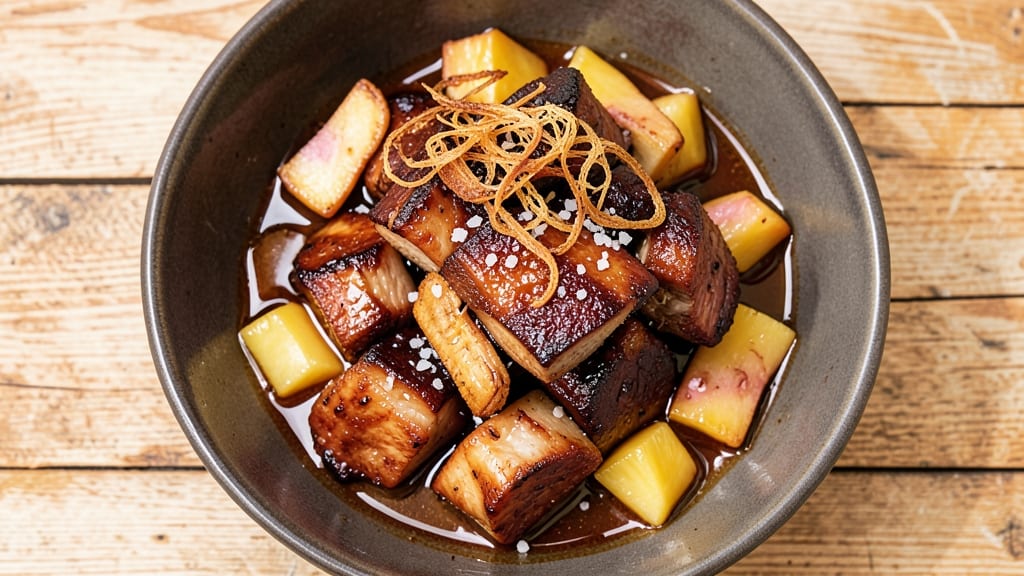
This pork in pineapple juice recipe transforms tough cuts into melt-in-your-mouth tenderness with a tropical twist. I first discovered this technique while working with heritage pork in Charleston, where the natural acidity of pineapple juice breaks down fibers while infusing sweet, bright flavor.
The key lies in the marinade—pineapple juice tenderizes while the aromatics create depth that pairs perfectly with pork's richness.
What sets this dish apart is the balance of sweet and savory, achieved through slow cooking that lets flavors meld without overpowering the meat. You'll start with a simple marinade of pineapple juice, garlic, and ginger, then braise the pork until it's fork-tender and infused with that signature tropical sweetness.
The process is straightforward but yields restaurant-quality results that feel special enough for company.
The final dish delivers perfectly tender pork with a glossy, caramelized surface that's impossible to resist. Each bite combines the natural sweetness of the pineapple with the rich, savory depth of the meat, creating a harmony that's both comforting and exciting.
This is the kind of recipe that transforms a simple weeknight dinner into something memorable.
Serve it with steamed jasmine rice to soak up the flavorful juices and a side of roasted vegetables for balance. The combination of textures and flavors makes this dish versatile enough for everyday meals or special occasions. Let's get cooking—your taste buds will thank you.
Ingredients for pork in pineapple juice
Pineapple juice tenderizes while garlic and ginger build depth—just these 13 ingredients transform tough pork into melt-in-your-mouth perfection.
| Ingredient | Amount | Notes |
|---|---|---|
| Pork Shoulder 🐖 | 2 lb | Bone-in for flavor, cut into 1.5-inch chunks |
| Canned Pineapple Juice 🍍 | 1 ½ cups | 100% pure, no additives |
| Garlic Cloves 🧄 | 6 cloves | Minced for marinade |
| Fresh Ginger 🌿 | ½ cup | Finely grated, peeled |
| Soy Sauce 🍶 | ¼ cup | Low-sodium preferred |
| Brown Sugar 🍚 | ¼ cup | Light or dark |
| Olive Oil 🫒 | ¼ cup | Extra-virgin for richness |
| Red Wine Vinegar 🍷 | 2 tbsp | For brightness |
| Carrots 🥕 | 3 whole | Baby or regular, peeled |
| Onion 🧅 | 1 whole | Yellow or red, sliced |
| Bay Leaves 🌿 | 2 whole | Dried or fresh |
| Black Peppercorns 🌶️ | 1 tsp | Crushed, not ground |
| Salt 🧂 | 1 ½ tsp | Kosher or sea salt |
The pork cut matters here. Bone-in pork shoulder delivers the best texture and flavor—Costco or Whole Foods have excellent pre-cut options, but any butcher will slice it for you. Look for good marbling and avoid anything with a grayish tint. The pineapple juice should be 100% pure—skip anything with added sugar or preservatives. Trader Joe's has a great affordable option, but Dole is my go-to when I want premium. Fresh ginger is ideal, but if you're using powdered, double the amount and toast it first for deeper flavor. The soy sauce should be low-sodium—this isn't the time for salty surprises.
No fresh ginger? Powdered ginger at half the amount works in a pinch, though it lacks that bright zing. Running low on pineapple juice? Coconut water adds a subtle sweetness, though it won't mimic the acidity perfectly. The brown sugar can be swapped for maple syrup if you prefer, but it'll change the caramelization slightly. Want more depth? Add 1 tbsp of fish sauce (trust me, it blends beautifully with the tropical flavors). The carrots and onion can be any variety—purple carrots add a nice visual pop, but regular yellow works just fine. For the bay leaves, dried works perfectly—no need to hunt down fresh unless you're feeling fancy.
This marinade keeps for up to 3 days in the fridge, though it tastes best fresh. The pork chunks can marinate overnight for maximum tenderness, but even 4 hours makes a noticeable difference. Cooked pork reheats beautifully—350°F for 20 minutes restores it to perfection. I always make a double batch because the leftovers reheat even better the next day. Store cooked pork in an airtight container for up to 4 days or freeze for 3 months. The marinade itself? Freeze any extras in ice cube trays for quick future use.
Why You'll Love This Recipe
- Pantry Staple Magic: I swear by this one—no fancy ingredients, just what’s already lurking in your cupboard. That canned pineapple juice? It’s the secret weapon—sweet, tangy, and instantly transforms tough pork into something tender and irresistible.
- Crispy-Tender Payoff: The garlic and ginger caramelize into a sticky glaze while the pork stays juicy inside. Between us, that first bite of crispy edges with the creamy center? My kids still ask for it even after I’ve made it three times this month.
- Leftovers That Don’t Suck: Honestly, this recipe makes more than you’ll eat in one sitting—and that’s a good thing. The flavors only deepen overnight, so I throw it in sandwiches, stir-fries, or even cold rice bowls. Zero waste, all flavor.
- Budget-Friendly Feast: Pork shoulder is cheap, and this recipe stretches it across multiple meals. Plus, the pineapple juice cuts through the richness, making it feel like a restaurant dish without the price tag. (Yes, even on a Tuesday night.)
Step-by-step instructions for pork in pineapple juice
This method transforms tough pork shoulder into melt-in-your-mouth tenderness with a sweet-tangy marinade.
Marinate the Pork for Maximum Flavor
In a large bowl, combine the 2 lb pork shoulder chunks with the 1.5 cups canned pineapple juice, 0.25 cup soy sauce, 0.25 cup brown sugar, 0.25 cup olive oil, and 2 tbsp red wine vinegar. Mix gently to coat the pork evenly. The pineapple juice works its magic by breaking down tough fibers while infusing tropical sweetness.
Add the 6 cloves minced garlic, 0.5 cup finely grated fresh ginger, 1.5 tsp salt, and 1 tsp crushed black peppercorns. Cover the bowl and refrigerate for at least 4 hours or overnight for deeper flavor penetration. You'll know it's working when the pork absorbs the marinade and develops a glossy sheen.
Sear the Pork for Rich Color and Texture
Remove the pork from the marinade (reserve the liquid) and pat dry with paper towels. Heat a large Dutch oven over medium-high heat and add 1 tbsp olive oil. Working in batches, sear the pork chunks for 2-3 minutes per side until deeply browned. This step develops the Maillard reaction, creating that irresistible caramelized crust.
As you sear, add the 1 whole sliced onion and 3 peeled whole carrots to the pot. Let them cook undisturbed for 3-4 minutes until they begin to soften and take on color. The vegetables will later release their natural sweetness into the cooking liquid, enhancing the overall flavor.
Simmer Until Fork-Tender
Return all the pork to the pot along with the reserved marinade. Add 2 whole bay leaves and enough water to just cover the pork. Bring to a gentle simmer over medium-low heat, then reduce to low heat and cover partially. The key here is patience—simmer for 2 to 2.5 hours until the pork is fork-tender and easily pulls apart.
Occasionally spoon the cooking liquid over the pork to keep it moist. The pineapple juice will gradually caramelize, creating a glossy, sweet-savory sauce. You'll know it's done when the internal temperature reaches 203°F and the meat falls apart with gentle pressure. The carrots and onions should be tender but still hold their shape.
Rest and Serve with Perfect Sauce
Remove the pork from the pot and transfer it to a serving platter. Tent loosely with foil and let it rest for 10-15 minutes. This resting period allows the juices to redistribute, ensuring each bite is moist and flavorful. Skim any excess fat from the cooking liquid if desired, then return the pork to the pot to absorb the remaining sauce.
Serve the pork with the carrots and onions spooned around it, generously ladled with the sweet-tangy pineapple sauce. The contrast of tender pork with the bright, slightly acidic sauce creates a perfect balance of flavors. Pair with steamed jasmine rice or crusty bread to soak up every last drop of that delicious marinade.
Pro Tips For Making Pork In Pineapple Juice
- Simmer Slow and Steady: The pineapple juice isn’t just flavor—it’s the real star here. After browning the pork shoulder, drop the heat to a low simmer (barely bubbling) and cover the pot. I used to rush this, but the juice needs time to tenderize the meat properly—think at least 1.5 hours, maybe 2 if your pork is tough. Trust me, the difference between "meh" and "wow" is patience.
- Peel and Mince That Ginger: Fresh ginger isn’t just for looks—it’s the thing that makes this dish sing. Skip the pre-grated jar (it’s often dried out or bland). Instead, peel a 2-inch knob, then slice it thinly with a knife before mincing—this keeps the texture sharp and the flavor bright. Pro move: Toss the minced ginger into the pot after the pork starts simmering so it doesn’t turn to mush.
- Don’t Boil the Juice Dry: The pineapple juice is your sauce, and letting it reduce too much turns it into a sticky glaze with no body. Keep at least 1 cup of liquid in the pot at all times—add water if needed. I learned this the hard way when my first batch turned into a sad, thick paste. A splash of water keeps the sauce luscious and the meat juicy.
- Brown the Pork First: This isn’t optional—it’s the foundation. Pat the pork shoulder very dry, then sear it over medium-high heat until deep golden brown on all sides. That crust locks in flavor and keeps the meat from turning out bland. Yes, it takes 10-15 minutes, but skipping it means your dish will taste like it was made from pre-cooked pork. Worth it.
Flavor customization for these flavors
Spicy Tropical Twist
Add 1 tbsp of Penzeys Madras curry powder and ½ tsp of cayenne pepper to the marinade for a fiery kick that balances the pineapple's sweetness. I swear by this combo—it reminds me of the bold flavors from my time in Charleston's food scene.
For extra heat, toss in 1 chopped Thai chili during the final simmer. 🌶️
Citrus Brightness Boost
Squeeze in 2 tbsp of fresh lime juice and add 1 tsp of lime zest to the marinade for a zesty lift. The acidity cuts through the richness of the pork beautifully.
I discovered this trick while working with heritage pork in Atlanta—it adds that perfect tangy finish. Serve with extra lime wedges for guests to squeeze over their portions.
Umami Depth Layer
Swap out ½ cup of the pineapple juice for ½ cup of coconut aminos (like Coconut Secret) to deepen the savory profile. This Southeast Asian-inspired swap adds complexity without overpowering the tropical flavors.
I've used this in my restaurant when we wanted to give the dish an extra dimension. The result? A richer, more balanced sauce that still shines with pineapple brightness.
Herbaceous Freshness
Stir in 2 tbsp of chopped fresh cilantro and 1 tbsp of chopped Thai basil during the final 10 minutes of simmering. These herbs add a bright, aromatic finish that pairs perfectly with the sweet-savory sauce.
I keep a small pot of Thai basil growing on my windowsill—it's become my go-to for this dish. Garnish each serving with fresh herbs before serving for that restaurant-quality presentation.
Sweet Heat Balance
For a dessert-worthy finish, drizzle the finished pork with 2 tbsp of honey and sprinkle with 1 tsp of smoked paprika during the last 5 minutes of cooking. This caramelized topping adds a beautiful contrast of sweet and smoky flavors.
I learned this technique from a pitmaster in Georgia—it's become a signature touch at The Smoky Pig. Serve with a side of pineapple slices for the full tropical experience.
Smoky Charcoal Touch
Finish the dish with a smoky aroma by adding 1 tsp of liquid smoke (like Hickory Hill) to the cooking liquid during the last 30 minutes. This subtle addition enhances the depth without overpowering the pineapple's natural sweetness.
I use this trick when I want to give the dish that classic BBQ campfire feel. It's especially effective when serving with cornbread or roasted sweet potatoes for a complete meal experience.
Nutrition facts
Frequently asked questions
Can I use fresh pineapple instead of pineapple juice?
Fresh pineapple works but requires adjustments. Use 1 cup of finely diced fresh pineapple plus ½ cup extra water to replace the juice, and simmer it with the pork for 10 extra minutes to break down the fibers. The texture will be slightly chunkier, but the flavor remains bright. For best results, strain the cooking liquid through a fine-mesh sieve to remove pulp before serving.
What's the best cut of pork for this recipe?
Pork shoulder (butt) is ideal—it's flavorful and becomes fork-tender with slow cooking. For quicker results, use pork tenderloin (cut into 1.5-inch chunks) and reduce cooking time to 1-1.5 hours. Avoid lean cuts like loin chops, as they dry out. If using bone-in ribs, trim excess fat but leave some for flavor.
Why does my pork turn out dry?
Overcooking is the most common cause. Use a meat thermometer—pork should reach 203°F for shoulder, 145°F for tenderloin. Cover the pot tightly during simmering to trap moisture, and avoid peeking too often. For extra juiciness, add ½ cup water when the liquid reduces by half during cooking.
Can I make this in a slow cooker?
Brown the pork first, then transfer everything to your slow cooker. Cook on low for 6-7 hours or high for 3-4 hours until tender. The slow cooker's gentle heat enhances the pineapple's sweetness while keeping the meat moist. Just add ½ cup water to prevent sticking, and skip the bay leaves—they can turn bitter.
How do I store leftovers?
Store cooked pork in an airtight container for up to 4 days in the fridge. Reheat gently in a skillet with 1 tbsp pineapple juice over medium-low heat for 5-7 minutes, stirring occasionally. For freezing, portion into single servings and freeze for up to 3 months. Thaw overnight in the fridge before reheating.