
Main Courses
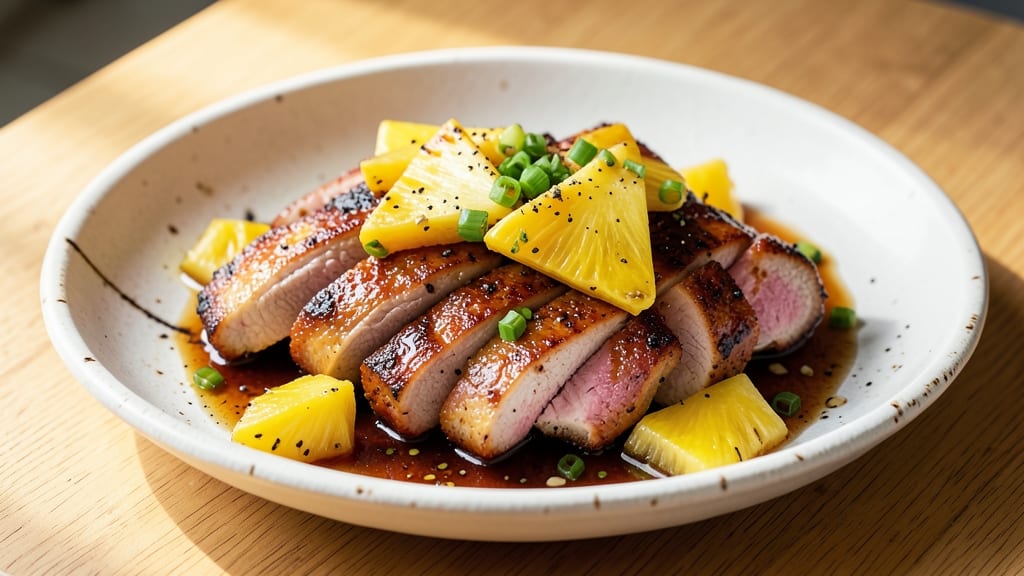
This pork with pineapple Pinoy recipe delivers a perfect balance of sweet, tangy, and savory flavors that make every bite unforgettable. 🌟 This one-pan recipe brings the heart of Filipino home cooking to your table, where tender pork and juicy pineapple create a symphony of textures and tastes.
I've perfected this dish over years of cooking for crowds, ensuring it's both restaurant-quality and simple enough for weeknight dinners.
The secret to this dish lies in the marinade—a blend of soy sauce, calamansi (or lemon), garlic, and ginger—that transforms tough pork into melt-in-your-mouth perfection. We'll cook it in one pan, letting the flavors meld together while the pineapple adds natural sweetness that cuts through the richness.
The result is a dish that's as visually stunning as it is delicious, with caramelized edges and vibrant colors.
This recipe pairs beautifully with steamed white rice, which soaks up every last drop of the flavorful juices. For a complete Filipino feast, serve with a side of garlic fried rice or a fresh green salad to balance the richness.
The dish is versatile enough to satisfy both casual family meals and special gatherings, making it a crowd-pleaser every time.
What makes this recipe truly special is its ability to transport you to the Philippines with every bite. The combination of tender pork, sweet pineapple, and aromatic spices creates a dish that's both comforting and exciting.
Whether you're cooking for your family or hosting a dinner party, this pork with pineapple will leave everyone asking for seconds.
Ingredients for pork with pineapple pinoy
Sweet, tangy, and savory ingredients that bring Filipino flavors to your one-pan feast.
| Ingredient | Amount | Notes |
|---|---|---|
| Boneless Pork Shoulder 🥩 | 2 ½ lb | Cut into 1-inch cubes |
| Fresh Pineapple 🍍 | 1 whole | Cored, cut into chunks |
| Soy Sauce 🥄 | ½ cup | High-quality, dark soy preferred |
| Calamansi Juice 🍋 | ¼ cup | Or substitute lemon juice |
| Garlic Cloves 🧄 | 6 cloves | Minced, fresh preferred |
| Fresh Ginger 🌿 | 2 tbsp | Grated, peeled |
| Brown Sugar 🍚 | ¼ cup | Packed, light brown preferred |
| Olive Oil 🫒 | 2 tbsp | Extra-virgin for richness |
| Black Peppercorns 🌶️ | 1 tsp | Freshly cracked |
| Green Onion 🧅 | 3 whole | Sliced, for garnish |
| All-Purpose Flour 🌾 | 2 tbsp | For thickening sauce |
| Water 💧 | ¼ cup | Room temperature |
The pork shoulder is the star here—bone-in cuts stay juicier, but boneless works too. Look for well-marbled pork at your local butcher or Asian market; the fat renders beautifully. Filipino markets often have pre-cut pork shoulder, but if you're at a regular grocery store, grab a whole shoulder and cube it yourself. Fresh pineapple matters too—yellow varieties like Gold work best, but red-fleshed is fine if that's what's available. Avoid canned pineapple; it lacks the juiciness and texture of fresh. If you can't find calamansi, lemon or lime juice works in a pinch, though it won't be quite the same.
No dark soy sauce? Regular soy sauce plus a pinch of sugar gets you close, but the deeper color and flavor are worth seeking out. The brown sugar adds caramelized depth—light brown sugar is best, but white sugar in a bind won't ruin it. Fresh ginger is non-negotiable here; dried loses its punch. If you're short on time, microwave the ginger for 30 seconds to soften it before grating. The flour and water combo at the end is just to thicken the sauce—cornstarch works too if you've got it, but flour is more traditional. For a spicier kick, add a dash of sambal oelek to the marinade, but start small—Filipino flavors can be bold.
This dish tastes even better the next day—make extra if you can. Store leftovers in an airtight container in the fridge for 4-5 days, or freeze for 3 months. The pineapple and pork blend perfectly, so reheating is a breeze—just add a splash of water or broth to deglaze the pan. For serving, I like to arrange the pork and pineapple on a platter with the sauce spooned over the top, garnished with those bright green onions. Steamed jasmine rice is the perfect side—it soaks up every last drop of that sweet-tart sauce.
Why You'll Love This Recipe
- One-Pan Magic: I swear by this for lazy nights—just brown the pork, toss in the pineapple chunks and garlic, then let the soy and calamansi do their thing. No extra pots, no fuss, and the kitchen stays cleaner than my usual stir-fry disasters.
- Sweet-Savory Balance: That first bite of caramelized pork with the bright, tangy pineapple? It’s like a flavor hug. The calamansi cuts through the richness while the garlic adds this deep, toasty note—honestly, it’s the kind of dish that makes you want to skip dessert.
- Leftover Goldmine: This recipe actually improves the next day. The pork gets even more tender, and the pineapple soaks up all the garlic-soy glaze. I pack it in lunchboxes or reheat it for quick breakfasts—my kids call it "mystery meat," but they still clear their plates.
- Budget Crowd-Pleaser: A whole pork shoulder feeds six for under $20, and the pineapple’s natural sweetness makes it feel fancy without the price tag. Plus, if you swap fresh pineapple for canned, it’s still just as good—my wallet and my taste buds thank me every time.
Step-by-step instructions for sweet-tart Filipino pork with pineapple
Here's how to make this crowd-pleasing dish with rich flavors and minimal cleanup.
🍳 Step 1: Sear the Pork Shoulder for Deep Flavor
Heat a large Dutch oven or deep skillet over medium-high heat until hot. Add the 2 tablespoons olive oil and let it shimmer for 30 seconds. Working in batches to avoid overcrowding, add the 2.5 lb boneless pork shoulder cut into 1-inch cubes and sear for 3-4 minutes per side until golden brown. You want that beautiful crust to form—this is where all the flavor starts.
As you sear, I like to press down gently on the pork with a spatula for the first 30 seconds of each side. This helps render the fat and creates a better sear. Once all the pork is browned, transfer it to a plate and set aside. Don't drain the fat—we'll use it to build our sauce later. If you're worried about too much fat, you can pour off about half while keeping 1 tablespoon in the pan for cooking.
👨🍳 Step 2: Build the Sweet-Tart Sauce Base
In the same skillet (with the rendered pork fat), add the 6 cloves minced garlic and 2 tablespoons grated fresh ginger. Cook for 1-2 minutes until fragrant and just starting to turn golden—don't let them burn, or you'll get bitter flavors. Add the ½ cup soy sauce and ¼ cup calamansi juice (or lemon juice), scraping up any browned bits from the bottom of the pan.
Bring the mixture to a gentle simmer and let it cook for 3-4 minutes until slightly reduced. Then add the ¼ cup packed brown sugar and stir until completely dissolved. This is where the sweet-tart balance starts to develop—you'll see the sauce begin to thicken slightly. Taste it now; you should get a preview of that perfect combination of salty, sweet, and tangy that makes this dish so special.
🍳 Step 3: Simmer the Pork with Pineapple
Return the seared pork to the skillet and add the 1 whole fresh pineapple cut into chunks (peeled, cored, and cut into 1-inch pieces). Pour in the ¼ cup room temperature water and bring everything to a gentle simmer. Cover the skillet and cook over low heat for 45-50 minutes, stirring occasionally, until the pork is tender and easily pulls apart with a fork.
Here's the thing—you want the pork to be fork-tender but still hold its shape slightly. If it's falling apart too much, reduce the cooking time next batch. The pineapple should be soft but still retain some bite. The sauce should have thickened enough to coat the back of a spoon but still be saucy, not glued to the pork. If it's too thin, uncover and simmer for another 5-10 minutes to reduce it.
🥘 Step 4: Thicken and Finish the Sauce
Once the pork is tender, remove the lid and increase the heat to medium. Sprinkle the 2 tablespoons all-purpose flour over the mixture and stir vigorously for 1-2 minutes until the sauce thickens and becomes glossy. This step is crucial for that perfect consistency—don't rush it, or you'll get a floury taste instead of a smooth sauce.
Taste and adjust the seasoning if needed. You might want to add a splash more of the calamansi juice if it needs more tang, or a pinch more brown sugar if it needs sweetness. The sauce should coat the pork nicely and have a beautiful balance of flavors. If you like your sauce extra glossy, add 1 tablespoon water at a time until you reach your desired consistency.
🍽️ Step 5: Serve with Fresh Garnishes
Transfer the pork and pineapple mixture to a serving platter. Garnish with the 3 whole green onions sliced and a sprinkle of freshly cracked black peppercorns. The green onions add a fresh contrast to the rich, sweet-tart flavors, while the peppercorns give a little kick.
Serve immediately over steamed rice—this dish is all about that perfect balance of textures and flavors. The tender pork, sweet pineapple, and tangy sauce create a symphony of tastes in every bite. For extra authenticity, serve with a side of atchara (pickled papaya) or a simple green salad to cut through the richness. Enjoy your homemade Filipino feast!
Pro Tips For Making Pork With Pineapple Pinoy
- SEAR THE PORK FIRST: Hit the pork shoulder with a hot pan—no oil needed—until it releases juices and browns in spots. I learned this the hard way: skipping the sear means the sauce clings like glue instead of caramelizing into flavor. Let it get dark in patches before adding anything else.
- CUT PINEAPPLE IN CHUNKS: Skip the slices—big, irregular chunks (about 1.5 inches) stay juicier and soak up the soy-calamansi sauce better. My grandmother swore by this, and she was right: thin slices turn mushy while you’re waiting for the pork to tenderize.
- LOW AND SLOW AFTER SEARING: Once the pork’s browned, cover the pan and simmer on medium-low for 45 minutes. I used to blast it high, and the pineapple turned to mush while the pork stayed tough. This keeps everything tender without turning the sauce into soup.
- ADD CALAMANSI LAST: Stir in the calamansi juice just before serving—it brightens the dish but cooks down fast. I was skeptical until I tried it: adding it early makes the sauce bitter and watery. A splash at the end keeps that zesty punch sharp.
Troubleshooting your pork with pineapple pinoy
Pork Too Tough?
If your pork turns out chewy instead of tender, you likely didn’t cook it long enough. Pork shoulder needs 45-50 minutes of simmering at low heat—don’t rush it! I’ve seen home cooks cut the time to 30 minutes and end up with rubbery meat.
For extra insurance, use a meat thermometer and cook until it reaches 195°F internal temperature. The pork should practically fall apart when pierced with a fork. 💪
Sauce Too Thin?
If your sauce isn’t coating the pork properly, you’ve got two options. First, uncover the pan and simmer for another 5-10 minutes to reduce it naturally. If that’s not enough, mix 1 tablespoon flour with 1 tablespoon cold water to make a slurry, then stir it into the sauce.
Simmer for 2 more minutes—this will thicken it beautifully. Pro tip: I like to add a splash of pineapple juice (about 1 tablespoon) to keep the sauce glossy while thickening.
Pineapple Too Soft?
Overcooked pineapple loses its texture and becomes mushy. To fix this, reduce the simmering time to 30-35 minutes—just until the pork is tender. The pineapple should still have a slight bite. If it’s already too soft, serve it immediately rather than reheating.
For future batches, add the pineapple in the last 10 minutes of cooking to preserve its texture. Fresh pineapple is key here—canned pineapple will always turn out mushy.
Burnt Flavor?
If your dish tastes bitter, you likely burned the garlic or ginger. These aromatics cook quickly—keep them moving in the pan and remove them as soon as they’re fragrant (1-2 minutes max). For next time, cook them over medium-low heat instead of high.
If you do burn them, scrape up those browned bits—they add depth to the sauce! Just don’t let them sit too long or they’ll overpower the dish. 🔥
Not Enough Tang?
If your dish lacks that signature Filipino tang, it’s probably because the calamansi juice wasn’t strong enough. Calamansi is hard to find, so I get it if you used lemon or lime—but those are milder.
For extra zing, add 1 tablespoon more calamansi juice (or ½ tablespoon white vinegar) at the end. A pinch of salt also helps balance flavors. Trust me, this makes all the difference—Filipino dishes rely on that bright acidity!
Leftovers Too Dry?
Reheating this dish can dry out the pork and pineapple. To fix it, add 2-3 tablespoons water or broth to the pan and simmer for 3-5 minutes until everything is heated through. For extra moisture, cover the pan with a lid to trap steam.
If the sauce has thickened too much, stir in 1 teaspoon water at a time until it reaches a saucy consistency. Store leftovers in an airtight container to keep them juicy for up to 5 days.
Nutrition facts
Frequently asked questions
Can I substitute fresh pineapple with canned?
Fresh pineapple gives the best texture and natural sweetness, but if you must use canned, choose pieces in juice (not syrup) and drain well. For extra flavor, add 1 tablespoon pineapple juice from the can to the sauce. Avoid crushed pineapple—it releases too much liquid and makes the dish watery.
How do I make this dish spicier? For extra heat, add ½ teaspoon ground black pepper or 1 tablespoon chopped siling labuyo (Filipino chili) to the marinade. For a smoky kick, sprinkle ½ teaspoon smoked paprika over the pork before searing.
What's the best way to cook this for a crowd?
Double the recipe and use two large Dutch ovens or a 6-quart slow cooker on low for 4-5 hours. For outdoor cooking, grill the pork first, then transfer to a large roasting pan with the sauce and pineapple. Serve family-style with extra rice and a big bowl of the tangy sauce for dipping.
Can I prepare this ahead of time?
This dish tastes even better the next day! Cook completely, then refrigerate in an airtight container for up to 5 days. Reheat gently with 2 tablespoons water or broth to restore moisture. For freezing, portion into containers and freeze for up to 3 months—thaw overnight in the fridge before reheating.
What other Filipino proteins work here?
Try chicken thighs (cook 30-35 minutes) or pork belly for extra richness. For variety, swap in shrimp (add in last 5 minutes) or tofu for a vegetarian version. The pineapple and sauce flavors adapt beautifully to these alternatives.