
Sauces & Condiments
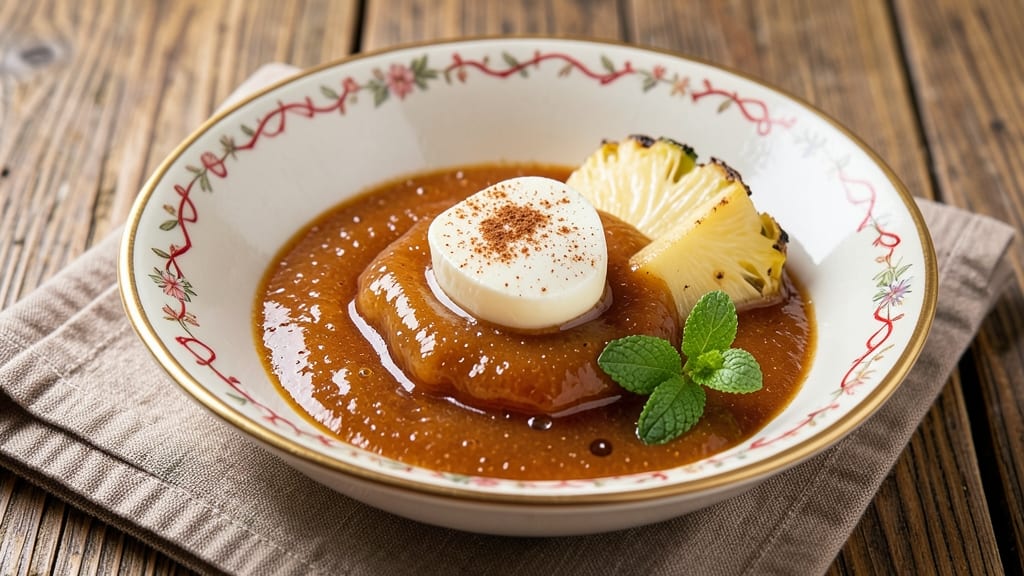
This sweet pineapple sauce recipe transforms grilled meats and desserts into tropical masterpieces with its velvety caramelized glaze. The secret lies in reducing pineapple juice with sugar until it thickens into a glossy, aromatic sauce that clings beautifully to everything it touches.
I developed this recipe after struggling to find a store-bought version that delivered both sweetness and depth—this one does both perfectly.
The sauce begins with fresh pineapple juice (or concentrate) simmered with sugar until it reaches a syrupy consistency, then thickened just enough to coat a spoon. A splash of lime juice adds brightness, while a pinch of cinnamon or vanilla deepens the tropical profile.
The result is a sauce that's smooth, slightly sticky, and packed with natural sweetness that enhances rather than overpowers.
What makes this sauce truly versatile is its ability to elevate grilled chicken, pork, or even ice cream. The caramelized edges create a beautiful contrast against charred meats, while its glossy finish makes desserts look and taste restaurant-worthy.
It keeps well in the fridge for up to two weeks, so you can make a batch ahead and use it whenever tropical flavors are called for.
For an extra-smooth texture, strain the sauce before serving, or add a small amount of cornstarch slurry at the end for instant thickening. The key is patience—simmering slowly ensures the sugar dissolves completely, leaving no graininess behind.
This isn't just a sauce; it's a flavor experience that turns ordinary dishes into something extraordinary.
Ingredients for sweet pineapple sauce
Nine simple ingredients transform into a restaurant-quality tropical glaze for meats and desserts.
| Ingredient | Amount | Notes |
|---|---|---|
| Fresh Pineapple Juice 🍍 | 1 ½ cups | Or 1 (15 oz) can pineapple juice concentrate |
| Granulated Sugar 🍚 | 1 ½ cups | White or light brown preferred |
| Fresh Lime Juice 🍋 | ¼ cup | About 2-3 limes, freshly squeezed |
| Ground Cinnamon 🌿 | ½ tsp | For subtle warmth |
| Pure Vanilla Extract 🌸 | ½ tsp | High-quality preferred |
| Unsalted Butter 🧈 | 2 tbsp | Cold, cubed for finishing |
| Cornstarch 🌾 | 1 tbsp | For thickening slurry |
| Water 💧 | 2 tbsp | For cornstarch slurry |
| Salt 🧂 | ¼ tsp | Fine sea salt for balance |
The pineapple juice is the foundation—fresh is ideal, but high-quality concentrate works perfectly when diluted with water. Dole or Del Monte canned juices are reliable choices, but if you're using concentrate, opt for the no-sugar-added variety. The sugar should be fine granulated or light brown for subtle caramel notes. For the lime juice, Mexican limes have more acidity than Persian, which balances the sweetness beautifully. Store your spices in airtight containers—ground cinnamon loses potency quickly, so buy small amounts if you don't use it often. The vanilla extract should be pure, with no artificial additives—Nestlé or McCormick are solid budget options, but Scharffen Berger elevates the flavor profile.
No fresh pineapple juice? Coconut water or apple juice can substitute at a 1:1 ratio, though the tropical depth will differ slightly. Running low on cornstarch? Arrowroot powder works identically. The butter at the end isn't just for richness—it creates that signature glossy finish. If you're avoiding dairy, coconut oil or vegan butter works just as well. The sauce thickens as it cools, so if it's too runny when strained, add another ½ teaspoon cornstarch slurry. For extra depth, a pinch of cardamom or ginger powder adds complexity without overpowering the tropical profile.
This sauce keeps beautifully in an airtight container in the fridge for up to 2 weeks, though the flavor actually improves after 24 hours as the sugars meld. For longer storage, freeze in ice cube trays—perfect for single-use portions. Reheat gently in a saucepan over low heat, stirring occasionally. The sauce thickens further when reheated, so add a splash of water if needed. Strain it again before serving if you prefer an ultra-smooth texture. Leftovers make incredible pancake syrup or a drizzle for yogurt—don't let it go to waste.
Why You'll Love This Recipe
- Here’s what sold me: the lime cuts through the sweetness just enough to make it dangerously good, while the cinnamon adds this cozy depth that feels like a hug. The vanilla ties it all together—smooth, not overpowering, like a secret handshake in your mouth.
- I’ll be real: I make a big batch and it always disappears. The sugar and acid preserve it for up to a week in the fridge, so no sad, wilted leftovers here. Plus, pineapple’s cheap in season, and a little goes a long way—meaning your wallet stays happy too. Win-win.
Step-by-step instructions for sweet pineapple sauce
This tropical glaze transforms simple grilled proteins into showstopping centerpieces.
Combine Juices and Sugar for Initial Reduction
In a medium saucepan, combine the 1.5 cups fresh pineapple juice with the 1.5 cups granulated sugar. Bring to a boil over medium-high heat, stirring occasionally to dissolve the sugar completely. Once boiling, reduce heat to medium and let it simmer uncovered for 10-12 minutes until the mixture reduces by about one-third and begins to thicken slightly.
You'll notice the aroma intensify as the juice concentrates—this is when the natural pineapple sweetness starts developing. The sauce should coat the back of a spoon but still flow freely. If sugar crystals remain undissolved, add 1 tablespoon water and stir until fully incorporated. This initial reduction builds the sauce's rich, caramelized foundation.
Add Aromatics and Thicken the Sauce
Remove the saucepan from heat and stir in the 0.25 cup fresh lime juice, 0.5 teaspoon ground cinnamon, 0.5 teaspoon pure vanilla extract, and 0.25 teaspoon salt. Return to medium heat and cook for an additional 5 minutes to infuse the flavors. Meanwhile, prepare the cornstarch slurry by whisking together 1 tablespoon cornstarch with 2 tablespoons water until smooth.
This is where the sauce transforms from simple syrup to professional-grade glaze. The citrus brightens the pineapple's sweetness while cinnamon adds subtle warmth. Watch the sauce closely—it should maintain a gentle simmer without boiling vigorously, which could cause separation. The cornstarch slurry acts as your thickening agent, so keep it nearby for the next critical step.
Thicken and Finish with Butter
Slowly pour the cornstarch slurry into the simmering sauce while whisking continuously. Return to medium heat and cook for 2-3 minutes until the sauce thickens to a glossy consistency that coats the back of a spoon. Remove from heat and immediately stir in the 2 tablespoons cold unsalted butter, cubed, until fully melted and incorporated.
The sauce should now have a velvety texture with a slight sheen—this indicates proper thickening. If it's too thick, whisk in 1 teaspoon water at a time until you reach a pourable yet clinging consistency. The butter adds richness that balances the bright acidity. Let the sauce rest for 5 minutes before using to allow flavors to meld completely.
Test and Adjust for Perfect Consistency
Transfer the sauce to a bowl and taste immediately. Adjust seasoning if needed: add more lime juice for brightness or vanilla extract for depth. For a glossier finish, return to low heat and simmer for an additional 1-2 minutes, then whisk in 1 teaspoon water. The ideal consistency should be thick enough to coat the back of a spoon but still flow smoothly when drizzled.
This sauce works best when used immediately, though it can be stored in an airtight container in the refrigerator for up to 5 days. Reheat gently over low heat, stirring frequently, until warmed through. The caramelized notes will deepen slightly after resting, making it even more complex. Use it generously—its vibrant color and tropical flavor elevate any grilled dish.
Pro Tips For Making Sweet Pineapple Sauce
- Simmer Slow and Steady: Pineapple juice reduces fast—too fast. After adding sugar, drop heat to medium-low and let it bubble gently for 10-12 minutes. I used to rush this, and the sauce ended up thin and cloying. Patience here makes the difference between syrup and sauce.
- Strain Twice, Strain Right: Run the cooked mixture through a fine-mesh sieve twice—once after simmering, once after chilling. The first pass catches big bits; the second removes the stubborn cloudiness that ruins the gloss. (Yes, it’s extra work, but your sauce will look restaurant-worthy.)
- Balance Sugar with Lime: Add lime juice gradually—start with half the recipe’s amount, taste, then adjust. Too much sugar? More lime. Too tart? A pinch of sugar. I learned this the hard way when I dumped it all in and ended up with a dessert glaze, not a sauce.
- Toast the Cinnamon First: Warm the cinnamon in a dry pan for 30 seconds until fragrant—it deepens the flavor without bitterness. Skip this, and you’ll just taste dust. (Pro move: Let it cool before stirring into the hot juice to avoid scorching.)
Pro cooking tips for great sweet pineapple sauce
Heat Control Secrets
Simmering at medium heat is critical—boiling too vigorously causes the sauce to separate or develop a skin. I use a medium saucepan (not a deep one) to maximize surface area for even reduction.
If your burner runs hot, reduce to medium-low once boiling to maintain gentle simmering. A digital thermometer helps track progress: aim for 212°F during initial reduction, then 180°F for thickening. 🌡️
Slurry Timing Tricks
The cornstarch slurry must be added off the boil—pour it into the sauce while whisking continuously to prevent lumps. I whisk the slurry vigorously for 30 seconds before adding to ensure no clumps remain.
For extra-smooth results, strain the finished sauce through a fine-mesh sieve after resting. If you're short on time, a blender works too—just pulse briefly to break up any tiny lumps.
Butter Finishing
Using cold cubed butter (not melted) creates the signature glossy finish. Stir in the butter off heat to prevent it from separating. For a dairy-free version, use 2 tablespoons coconut oil instead—it adds a subtle tropical note that complements the pineapple.
If your sauce seems too thick after adding butter, whisk in ½ teaspoon water at a time until it reaches a pourable yet clinging consistency.
Flavor Layering
Let the sauce rest for 5-10 minutes after making to allow flavors to meld—this is when the cinnamon and vanilla truly shine. For extra depth, add ¼ teaspoon ground ginger with the cinnamon, or a pinch of nutmeg for warmth.
If you love spice, a dash of cayenne (about ⅛ teaspoon) adds a subtle kick that pairs perfectly with grilled meats. Taste as you go—adjustments now prevent over-seasoning later.
Sauce Consistency
The ideal texture coats the back of a spoon but still flows smoothly when drizzled. If your sauce is too thick, whisk in 1 teaspoon water at a time—heat thins it further.
For a glossier finish, return to low heat and simmer for 1-2 minutes, then whisk in 1 teaspoon water. Store in an airtight container in the fridge for up to 2 weeks; the flavors actually improve with time as the sugars caramelize further. 💫
Nutrition facts
Frequently asked questions
Can I substitute pineapple juice concentrate for fresh juice?
Yes! Use 1 (15 oz) can of pineapple juice concentrate diluted with ½ cup water to replace the 1.5 cups fresh juice. The concentrate has a more intense flavor, so you may need to reduce the sugar slightly (1.25 cups instead of 1.5 cups) to balance sweetness. Stir well before measuring to ensure even consistency.
How do I fix a sauce that's too thin or too thick?
For a thin sauce, whisk in 1 teaspoon cornstarch slurry (1 tsp cornstarch + 1 tsp water) and simmer for 1-2 minutes. For a thick sauce, thin it with ½ teaspoon water at a time while whisking gently. The ideal texture should coat the back of a spoon but still flow when drizzled.
What are the best dishes to use this sauce with?
This tropical glaze works beautifully with grilled chicken or pork, ham or ribs, and even desserts like ice cream or pancakes. For meats, brush it on during the last 2-3 minutes of grilling. For desserts, drizzle over warm treats or use as a filling for pastries. The caramelized edges add a stunning visual contrast!
Can I make this sauce ahead of time?
Store the sauce in an airtight container in the fridge for up to 2 weeks. The flavors actually improve with time as the sugars deepen. For longer storage, freeze in ice cube trays—perfect for single-use portions. Reheat gently over low heat, stirring frequently, until warmed through.
Why did my sauce turn grainy or separate?
Graininess often happens when sugar doesn't fully dissolve during the initial reduction. Stir constantly during boiling and add 1 tablespoon water if needed. Separation can occur if the sauce boils too vigorously—reduce heat to medium-low and whisk continuously. For a quick fix, blend briefly or strain through a fine-mesh sieve to restore smoothness.