
Sauces & Condiments
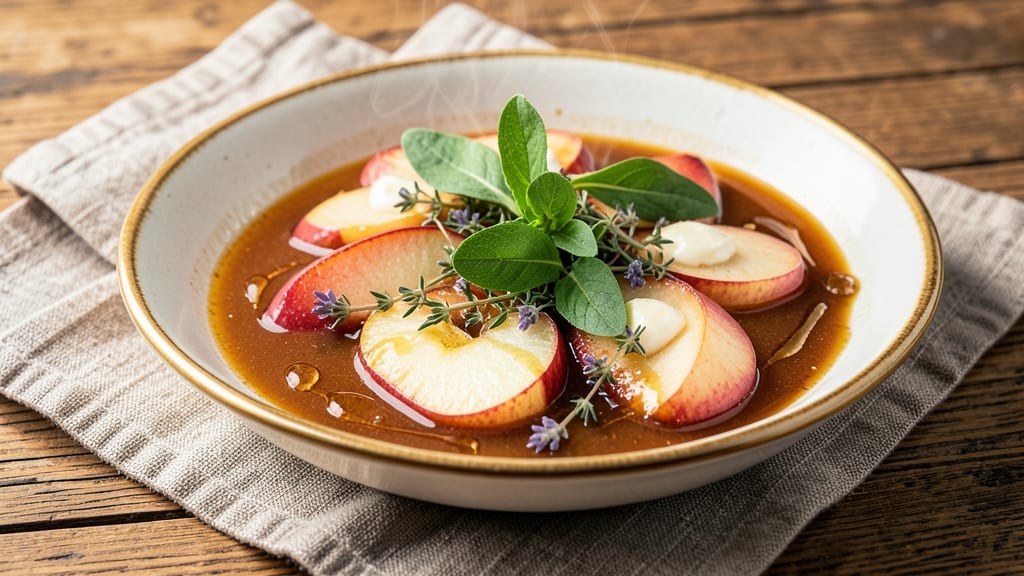
This apple and sage sauce recipe transforms simple ingredients into a rich, aromatic companion for roasts and pork—perfect for elevating holiday meals or weeknight dinners. The slow-simmered blend of tender apples, fragrant sage, and warm spices creates a velvety sauce that balances sweetness and earthy depth, making every bite unforgettable.
What sets this apart is the way the sage releases its piney aroma while the apples caramelize, creating a harmony that pairs beautifully with savory proteins.
The secret lies in the technique: simmering the sauce until it thickens just enough to coat the back of a spoon, then finishing with butter for a luxurious sheen. This method ensures the sauce remains smooth and clingy, clinging to roasted meats or vegetables without overwhelming them.
Ingredients like thyme and a touch of cinnamon add complexity, while a splash of broth keeps the sauce from drying out during cooking.
By the time you’re done, you’ll have a sauce that’s restaurant-quality yet simple to make—ideal for drizzling over pork chops, stuffing, or even mashed potatoes. The best part?
It reheats beautifully, making it perfect for meal prep or leftovers. Whether you’re hosting a gathering or cooking for one, this sauce delivers depth and warmth in every spoonful.
Store it in the refrigerator for up to five days or freeze for longer use, ensuring you always have a flavorful finishing touch ready. The versatility of this sauce makes it a must-have in your culinary arsenal, turning ordinary meals into something extraordinary with minimal effort.
Ingredients for apple and sage sauce
Nine ingredients transform into a velvety sauce that elevates roasts and pork with aromatic depth.
| Ingredient | Amount | Notes |
|---|---|---|
| Honeycrisp Apples 🍎 | 2 medium | Peeled, cored, chopped |
| Fresh Sage Leaves 🌿 | ½ cup | Stems removed, roughly chopped |
| Unsalted Butter 🧈 | 4 tbsp | Cold, cubed for finishing |
| Vegetable Broth 💧 | 1 cup | Low-sodium preferred |
| Granulated Sugar 🍚 | 2 tbsp | Adjust to taste |
| Fresh Thyme Leaves 🌿 | 1 tsp | Or 0.25 tsp dried thyme |
| Ground Cinnamon 🌶️ | ¼ tsp | Warm spice for depth |
| Apple Cider Vinegar 🍋 | 1 tbsp | Brightens flavors |
| Salt 🧂 | ½ tsp | Diamond Crystal preferred |
| Black Pepper 🌶️ | ¼ tsp | Freshly cracked |
The apples are the heart of this sauce—Honeycrisp delivers that perfect balance of sweetness and tartness, but Fuji or Pink Lady work beautifully too. Grab them at Whole Foods or your local market when they're in season (fall through winter). For the sage, fresh is non-negotiable here—the dried stuff just can't match that piney aroma. Look for plump, vibrant leaves at the grocery store's produce section, and don't be shy about using a little extra. The thyme? Fresh if you've got it, but dried works in a pinch (just use a third of the amount).
No Honeycrisp apples? Granny Smith adds tartness that cuts through the richness, while Gala brings more sweetness to the party. Short on sage? Rosemary at half the amount gives a similar earthy note. The apple cider vinegar can be swapped for white wine vinegar or lemon juice, though the flavor will shift slightly. For a deeper spice profile, add a pinch of nutmeg or cardamom. And if you're worried about the sauce being too sweet, start with just 1 tbsp of sugar—you can always add more later.
This sauce keeps beautifully—store it in an airtight container in the fridge for up to 5 days, or freeze for 3 months. The butter should be added fresh when reheating, so portion it out before storing. A little goes a long way—start with 1 tbsp per serving and adjust to taste. The sauce thickens as it cools, so don't be afraid to add a splash of broth if it seems too stiff when reheating. Perfect for drizzling over roasted pork, stuffing, or even mashed potatoes—it's that versatile.
Why You'll Love This Recipe
- Foolproof Simplicity: Honestly, this sauce takes five minutes of active work—just dice apples, melt butter, and let the sage do its magic. No peeling, no fancy techniques, just chop-and-go perfection.
- Sage & Sweet Magic: That first bite of Honeycrisp’s crisp snap with warm, buttery sage? It’s like autumn in a spoonful—bright, earthy, and just enough honeyed depth to make you reach for seconds.
- Dinner Party Ready: Serve it over roasted chicken, drizzle on mashed potatoes, or spoon it into pasta—it’s the kind of sauce that makes you look like a pro without trying. (Between us, I’ve used it for all three.)
- Budget-Friendly Luxury: A single Honeycrisp and a handful of sage stretch into leftovers that taste better the next day. Plus, you’re using pantry staples—no specialty ingredients, just pure, satisfying flavor.
Step-by-step instructions for apple and sage sauce
This aromatic sauce transforms simple ingredients into a velvety masterpiece perfect for drizzling over roasted pork or holiday centerpieces.
Sauté the Herb Base
In a medium saucepan over medium heat, add the 0.5 cup fresh sage leaves and 1 tsp fresh thyme leaves, stems removed and roughly chopped. Let them sizzle gently for 2-3 minutes until fragrant—this releases their essential oils and builds the foundation of your sauce. I always remove stems first; they're tough and add bitterness. The leaves should darken slightly but not brown.
Add the 2 tbsp granulated sugar and 1 tbsp apple cider vinegar immediately after the herbs begin to soften. Stir constantly for 1 minute until the sugar dissolves completely. This combination creates a perfect balance of sweetness and acidity that will carry through the entire sauce. The vinegar also helps preserve the vibrant green color of the herbs.
Simmer Apples and Broth
Increase heat to medium-high and add the 2 medium chopped Honeycrisp Apples (peeled and cored). Let them cook undisturbed for 3-4 minutes until they begin to soften and release their juices. This step is crucial—the apples should caramelize slightly at the edges, adding depth of flavor.
Pour in the 1 cup vegetable broth and reduce heat to low. Add the 0.25 tsp ground cinnamon, 0.5 tsp salt, and 0.25 tsp black pepper, then stir to combine. The broth should just barely cover the apples. Let the mixture simmer gently for 15-20 minutes, partially covered, until the apples break down into a thick, jam-like consistency. You'll know it's ready when the sauce coats the back of a spoon and the apple pieces are completely tender.
Finish with Butter
Remove the saucepan from heat and let it cool slightly for 2 minutes. This prevents the butter from separating when added. Add the 4 tbsp cold cubed unsalted butter and whisk vigorously until fully incorporated and the sauce becomes silky smooth. The butter adds richness and helps emulsify the sauce, giving it that luxurious mouthfeel.
Taste and adjust seasoning if needed—you might want to add a pinch more salt or a splash of vinegar to brighten the flavors. The sauce should be perfectly balanced: sweet from the apples and sugar, herbal from the sage and thyme, with just a touch of acidity from the vinegar. Strain through a fine-mesh sieve if you prefer a completely smooth texture, or leave it slightly chunky for added texture.
Serve Warm
This sauce is best served immediately over roasted pork chops, pork tenderloin, or even as a glaze for roasted vegetables. The warm sauce will cling beautifully to the meat, enhancing its natural flavors with its complex herbal notes. If you need to reheat leftovers, do so gently over low heat, stirring constantly to prevent separation. The sauce keeps well in the refrigerator for up to 5 days, though I find it's always best enjoyed fresh.
For an extra touch of elegance, garnish with a few fresh sage leaves just before serving. The contrast of the vibrant green against the rich sauce adds a visual pop that makes any dish feel special. This versatile sauce works equally well as a dipping sauce for bread or as a topping for grilled chicken—don't be afraid to experiment!
Pro Tips For Making Apple And Sage Sauce
- Peel Apples Thin: Honeycrisp’s flesh is dense—peel it just thick enough to remove the skin but leave the crisp, juicy core intact. A sharp paring knife and steady hand (no rushing) keep the chunks uniform and prevent mush when cooking.
- Toast Sage First: Hit your sage leaves with a quick 10-second sear in a dry pan before adding them to the sauce. The edges crisp slightly, releasing their aroma early—no need to wait for the apples to soften. (Yes, even if you’re impatient like me.)
- Simmer, Don’t Boil: This sauce turns gluey fast. Keep the heat at a gentle bubble—just enough to ripple the surface—and stir every 2 minutes. After burning three batches, I finally figured out: low and slow = silky texture.
- Deglaze with Broth: After browning your apple chunks, immediately splash in the vegetable broth. The caramelized bits dissolve into the sauce, adding depth without extra sugar. Skip this, and you’re left with a one-note sweetness.
Wine and beer pairings for these flavors
White Wine Pairings
For this apple and sage sauce, I reach for crisp, dry white wines that cut through the richness while complementing the herbal notes. A Sauvignon Blanc from New Zealand—like Cloudy Bay—is my go-to choice.
Its bright acidity and citrus undertones mirror the apple's sweetness and the vinegar's tang, creating a perfect balance. The herbal notes in the wine also harmonize beautifully with the sage and thyme in the sauce. 🍷
If you prefer something with a bit more body, a Chardonnay from Burgundy or California—such as Kendall-Jackson Vintner's Reserve—works wonderfully. The subtle oak notes in the wine enhance the sauce's caramelized apple flavors, while its creamy texture stands up to the sauce's velvety finish.
For a budget-friendly option, look for a well-made Pinot Grigio from Italy, like Santa Margherita. Its clean, refreshing profile keeps the meal light and elegant.
Red Wine Options
While white wines are the classic choice, a light-bodied red can also work if you're serving this sauce with heartier dishes like pork ribs or roasted root vegetables. A Pinot Noir from Oregon—such as Domaine Serene—is my top pick.
Its delicate fruit flavors and subtle earthiness complement the apple and sage without overpowering the sauce. The red wine's acidity also helps cleanse the palate, making each bite feel fresh. 🍇
For a more robust pairing, consider a Gamay from Beaujolais, like Domaine Duboeuf's Beaujolais-Villages. Its juicy red fruit notes and silky texture create a delightful contrast with the sauce's herbal and sweet elements. Avoid heavy, tannic reds like Cabernet Sauvignon—they can clash with the sauce's delicate flavors.
Beer Pairings
If wine isn't your thing, a well-chosen beer can elevate the experience just as effectively. A Belgian Witbier, such as Hoegaarden, is a fantastic match. Its coriander and orange peel notes enhance the apple's sweetness, while the effervescence cuts through the sauce's richness.
The subtle spice in the beer also complements the sage and thyme beautifully. 🍺
For beer lovers, a German Helles Lager—like Weihenstephaner Original—offers a crisp, clean profile that lets the sauce's flavors shine. Its mild malt sweetness balances the acidity in the sauce, while its light body prevents it from feeling too heavy.
If you prefer something with a bit more character, try a French Saison, such as Brouwerij Oud Beersel's Saison Dupont. Its peppery notes and dry finish create an exciting contrast with the sauce's sweet and herbal elements.
Non-Alcoholic Options
Don't overlook non-alcoholic pairings—sometimes they can be just as refreshing. A sparkling apple cider, like Woodchuck Hard Cider's Sparkling Apple, mirrors the sauce's apple flavors while adding a festive touch. The bubbles help cleanse the palate between bites, making the meal feel lighter.
For a more sophisticated option, try a dry sparkling wine like Freixenet Cordon Negro Cava. Its crisp acidity and delicate fruit notes complement the sauce beautifully. 🥤
Herbal teas can also be a surprising match. A green tea infused with fresh mint—like Bigelow's Mint Green Tea—highlights the sage and thyme in the sauce while adding a refreshing contrast.
For a warmer option, a ginger-infused chai tea enhances the sauce's spiced notes and adds a warming kick. Both options are perfect for those who prefer to skip alcohol but still want a flavorful pairing.
Nutrition facts
Frequently asked questions
Can I make this sauce without apples?
While apples are the star, you can substitute pears or peaches for a similar texture, though the flavor will shift slightly. For a completely different profile, try 1 cup of apple juice plus 1 tbsp cornstarch to thicken. The sauce will lose its chunky texture but still deliver that sweet-herbal balance.
How do I prevent the sauce from getting too sweet?
Start with just 1 tbsp sugar instead of 2 tbsp and taste as you go. The apples and vinegar add natural sweetness, so you can always add more sugar later. For extra tang, increase the apple cider vinegar to 2 tbsp—it brightens the flavors beautifully. The sage and thyme also help balance sweetness with their earthy notes.
Can I use dried sage instead of fresh?
Fresh sage is ideal for this recipe, but if you must use dried, reduce the amount to 1 tbsp (about 1/4 of the fresh amount) and crush the leaves between your fingers to release their aroma. Dried sage lacks the vibrant flavor and color of fresh, so the sauce won't have the same depth. For best results, stick with fresh herbs when possible.
What’s the best way to reheat leftovers?
Gently warm the sauce in a saucepan over low heat, stirring constantly to prevent separation. If it thickens too much, add 1-2 tbsp broth or water to loosen it. Avoid microwaving—it can make the sauce grainy. For extra richness, stir in 1 tbsp butter at the end. The sauce reheats best when warmed slowly.
Is this sauce vegan-friendly?
Not traditionally, but you can easily adapt it! Replace the butter with 4 tbsp vegan butter or coconut oil and use vegetable broth (which it already calls for). For a richer texture, stir in 2 tbsp cashew cream at the end. The flavor remains just as delicious—just omit the butter if you prefer a lighter version.