
Sauces & Condiments
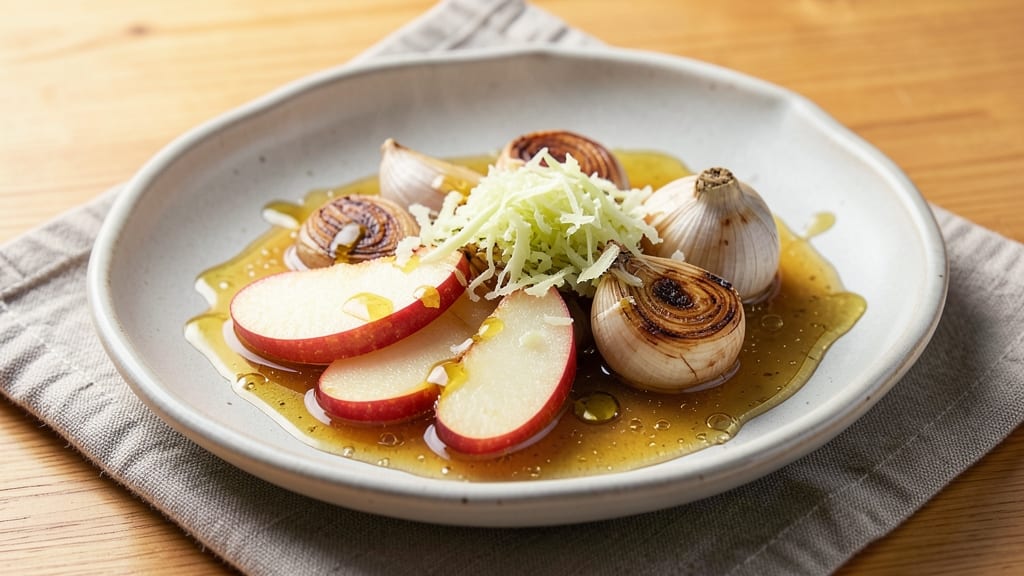
This apple cider vinegar garlic ginger recipe transforms simple pantry staples into a vibrant, umami-packed sauce that elevates stir-fries, marinades, and even salad dressings. The tangy sharpness of apple cider vinegar cuts through rich flavors while garlic and ginger add layers of warmth and depth—perfect for balancing bold dishes.
I developed this after years of tweaking homemade sauces, and it’s now my go-to for quick, restaurant-quality flavor without the fuss.
The beauty of this sauce lies in its versatility and simplicity. With just five key ingredients and 10 minutes of prep, you’ll have a smooth, aromatic base that works as a stir-fry sauce, marinade, or finishing drizzle.
The garlic and ginger are sautéed until fragrant but never bitter, ensuring a balanced, complex flavor profile that stands up to anything—from grilled meats to roasted vegetables.
What makes this sauce truly special is how it enhances other dishes without overpowering them. The apple cider vinegar adds a bright tang, while the ginger and garlic bring a subtle heat that lingers on the palate.
Store it in the fridge for up to two weeks, or freeze for longer shelf life—it’s that good you’ll want to keep a jar on hand.
For extra depth, consider adding a touch of honey for sweetness, chili flakes for heat, or sesame oil for nuttiness. The possibilities are endless, but the foundation remains the same: a foolproof, flavor-packed sauce that turns ordinary meals into something extraordinary. Let’s get started!
Ingredients for apple cider vinegar garlic ginger
Five simple ingredients transform into a zesty, aromatic sauce that elevates everything from stir-fries to dressings.
| Ingredient | Amount | Notes |
|---|---|---|
| Apple Cider Vinegar 🍎 | ½ cup | Raw, unfiltered preferred |
| Fresh Garlic Cloves 🧄 | 6 cloves | Minced, not pressed |
| Fresh Ginger Root 🌿 | 2 tbsp | Finely grated, skin on |
| Extra-Virgin Olive Oil 🫒 | ¼ cup | Light fruity variety |
| Diamond Crystal Kosher Salt 🧂 | 1 tsp | Fine grain preferred |
| Honey 🍯 | 1 tbsp | Optional for sweetness |
| Sesame Oil 🥜 | 1 tsp | Toasted for aroma |
The apple cider vinegar is the star—Bragg's or raw, unfiltered brands have the best depth of flavor. I always grab the organic variety at Whole Foods when I can, but any raw vinegar works. Fresh garlic and ginger are non-negotiable here; pre-minced jarred ginger lacks the same punch. For the olive oil, California-based brands like Corto have that perfect balance of fruity and mild. The honey should be raw if you're adding it—Madhava or local apiary honey adds floral notes that complement the vinegar beautifully.
No fresh ginger? Powdered ginger at half the amount works in a pinch, but you'll lose that bright, zesty kick. Substitute sesame oil with toasted peanut oil if you're avoiding sesame. The honey can be swapped for maple syrup if you prefer, though it leans more caramel-like. Want extra heat? Add red pepper flakes or a dash of Sriracha. For a deeper umami profile, a teaspoon of soy sauce or fish sauce (if not vegetarian) can be stirred in at the end. The sauce is incredibly forgiving—adjust to taste as you go.
This sauce keeps beautifully in an airtight jar for up to two weeks in the fridge. For longer storage, freeze in ice cube trays—thaw in the fridge overnight before using. I always make a double batch because it disappears fast—perfect for drizzling over noodles, tossing with roasted veggies, or using as a marinade base. The flavors actually improve after a day or two as everything melds together. If it separates, just give it a quick whisk before using.
Why You'll Love This Recipe
- Pantry Magic: I swear by this combo—no shopping lists, no last-minute scrambles. My fridge is always stocked with ACV, ginger, and garlic, so I can toss this together when I’m staring at a sad fridge or need a quick wake-up for stir-fries.
- Zingy Umami Bomb: That first hit of heat from fresh ginger, the sharp bite of garlic, and the tangy finish from ACV? It’s like a flavor party in your mouth. Honestly, I’ve drizzled it over eggs, salads, and even popcorn—it’s that good.
- Secret Weapon Sauce: Between us, this is my go-to for weeknight dinners, potlucks, or when I’m too tired to think. Slather it on grilled chicken, toss it with noodles, or use it as a marinade—it works everywhere. My roommate still asks where I learned the trick.
- Zero-Waste Goldmine: A little goes a long way, so I make a big batch and keep it in the fridge. That jar lasts me weeks, and I’m always finding new ways to use it up. Budget-friendly? Absolutely. Versatile? Even more so. (Yes, even on a Tuesday night.)
Step-by-step instructions for crafting a zesty umami base
Here's how to blend these bold flavors into a versatile sauce that elevates any dish.
Prepare the Aromatics with Precision
In a small saucepan, combine the 0.5 cup apple cider vinegar and 2 tbsp finely grated fresh ginger root (skin on for texture). Bring to a gentle simmer over medium heat and let cook for 3-4 minutes until the ginger softens slightly and releases its aromatic oils. You'll notice the mixture becoming slightly cloudy as the ginger infuses.
While the vinegar and ginger warm, use a microplane to finely grate the 6 cloves fresh garlic cloves (no need to peel - just scrape the cloves directly into the saucepan). The garlic should resemble a fine, wet sand consistency. This preparation ensures maximum surface area for flavor extraction without turning to paste, which can make the sauce bitter.
Infuse with Olive Oil and Honey
Reduce the heat to low and carefully whisk in the 0.25 cup extra-virgin olive oil and 1 tbsp honey. The honey will dissolve completely into the warm vinegar mixture, creating a subtle sweetness that balances the acidity. Let the sauce simmer gently for 5-6 minutes until it thickens slightly and the oil fully emulsifies.
Here's the thing - you want to see the mixture transform from separate ingredients to a cohesive, slightly syrupy sauce. The oil should be fully incorporated rather than floating on top. If it separates, simply whisk vigorously for 20-30 seconds to re-emulsify. This step builds the sauce's complex umami foundation.
Season and Finish with Sesame Oil
Remove the saucepan from heat and let it cool for 2 minutes. Stir in the 1 tsp diamond crystal kosher salt and 1 tsp toasted sesame oil while the mixture is still warm. The sesame oil adds a nutty depth that complements the vinegar's tang and the ginger's heat. Taste and adjust seasoning - you might need an additional pinch of salt depending on your vinegar's acidity.
For best results, strain the sauce through a fine-mesh sieve to remove any ginger fibers or garlic particles if you prefer a completely smooth texture. If you like texture, simply whisk it back together. The sauce should now have a vibrant golden hue with a glossy sheen from the infused oils. This is your signature umami base, ready to transform any dish.
Proper Storage and Usage
Transfer the sauce to a clean glass jar and let it cool completely. Store in the refrigerator for up to 2 weeks or freeze for 3 months in an airtight container. The flavors will continue to meld and deepen over time, becoming even more complex. When ready to use, simply shake the jar vigorously to re-emulsify any separated oils.
This versatile sauce works beautifully as a stir-fry glaze, marinade, salad dressing, or finishing drizzle. For stir-fries, add 1-2 tablespoons at the end of cooking to deglaze the pan. For dressings, thin with water or additional vinegar to your preferred consistency. The balance of sweet, tangy, and umami makes it perfect for balancing rich, fatty, or overly sweet dishes.
Pro Tips For Making Apple Cider Vinegar Garlic Ginger
- PEEL GINGER THINLY: The skin holds bitterness, but don’t waste time peeling it all off—just scrape off the toughest bits with a spoon. I used to peel ginger like an apple and wondered why my dressings never had that clean, bright punch. Save the skin for garnish if you’re feeling fancy.
- SMASH GARLIC, DON’T CHOP: Use the flat side of your knife to crush the garlic cloves in the pan first—this releases more flavor before it even hits the oil. I learned this the hard way after making a whole batch where the garlic just sat there, untouched by heat. Works for ginger too if you’re feeling aggressive.
- LOW AND SLOW WITH VINEGAR: Apple cider vinegar burns fast, so keep the heat at medium-low once you add it—you’re not searing, you’re marrying flavors. I’ve watched people crank the heat and end up with a bitter, smoky mess that ruins everything. Let it simmer gently for 2-3 minutes to blend properly.
- SALT THE OIL FIRST: Toss in the kosher salt before adding the vinegar—it dissolves better and seasons the oil evenly. I used to add it at the end, and half the time it just sat at the bottom like a sad little pile. A pinch (about ½ teaspoon) is enough; you’re not curing anything here.
Perfect pairings for this dish
Stir-Fry Glaze
Use this sauce as a stir-fry glaze by adding 1-2 tablespoons to your wok or skillet during the last 2 minutes of cooking. Toss with bell peppers, broccoli, or snap peas for a quick, flavorful side.
The vinegar cuts through the oiliness of stir-fried veggies, while the garlic and ginger add depth. I love using it on chicken thighs or tofu—just marinate for 15 minutes before cooking for extra flavor infusion. 🔥
Salad Dressing
Thin with 1-2 tablespoons water or extra vinegar to create a bright, tangy dressing perfect for green salads. Toss with arugula, spinach, or mixed greens and top with toasted nuts or dried fruit for contrast.
The honey balances the acidity, making it ideal for roasted beet or carrot salads. Store leftover dressing in a small jar—it keeps for 5 days in the fridge. ✨
Marinade Base
Double the recipe and use as a marinade for grilled shrimp, chicken, or pork tenderloin. Let proteins marinate for at least 30 minutes (or overnight for deeper flavor). The vinegar tenderizes while the garlic and ginger add aromatic layers.
I especially love it on grilled salmon—the acidity keeps the fish from drying out. For extra richness, add 1 teaspoon soy sauce to the marinade. 🍗
Finishing Drizzle
Drizzle over hot noodles, ramen, or pho just before serving to elevate the dish instantly. The umami-packed sauce clings to the noodles, adding a bright, zesty finish.
It also works beautifully on roasted Brussels sprouts or mashed sweet potatoes. For a restaurant-worthy touch, sprinkle with sesame seeds or crushed peanuts after drizzling. 💫
Soup Enhancer
Stir 1 tablespoon into pho, miso soup, or ramen broth just before serving. The garlic and ginger infuse the broth with warmth, while the vinegar adds a refreshing tang. It’s especially good in spicy soups—the acidity cools the heat.
For extra depth, add a dash of fish sauce (if not vegetarian) or vegetable bouillon to enhance the umami. 🍜
Dipping Sauce
Serve with spring rolls, dumplings, or fresh spring onions for a quick, flavorful dip. The balance of sweet, tangy, and savory makes it irresistible. For extra richness, mix in 1 teaspoon peanut butter (trust me, it works!).
Store leftovers in a small container for up to 1 week—it’s perfect for snack time. 🥟
Nutrition facts
Frequently asked questions
Can I make this sauce without honey?
The honey adds subtle sweetness, but you can omit it completely or substitute with 1 teaspoon maple syrup for a caramel note. For a sharper tang, skip it entirely—just adjust the salt to 1.5 teaspoons to balance the acidity. The sauce still works beautifully without it, especially for savory applications like stir-fries or marinades.
How do I adjust the heat level?
For extra spice, stir in ½ teaspoon red pepper flakes or 1 teaspoon Sriracha at the end. For milder heat, reduce the ginger to 1 tablespoon or use powdered ginger. The sauce's natural warmth comes from the fresh ginger—just control the amount based on your preference. Taste as you go!
Can I use this sauce on raw fish?
Yes, but with caution! The vinegar's acidity can help tenderize delicate fish like salmon or cod when used as a 15-minute marinade. However, avoid using it on raw shellfish or very delicate fish like flounder. Always cook fish thoroughly after marinating. For extra safety, double-check cooking times—this sauce works best as a finishing drizzle or light marinade for heartier fish.
Why did my sauce separate?
Separation happens when oil and vinegar don't fully emulsify. Simply whisk vigorously for 30 seconds or use a hand mixer to recombine. For prevention, ensure the sauce cools slightly before adding sesame oil—this helps the ingredients bond better. If it keeps separating, strain through a fine-mesh sieve to remove any lingering fibers that might interfere with emulsification.
What's the best way to use this with Asian dishes?
This sauce is fantastic for Asian-inspired dishes! Thin with 1 tablespoon water or rice vinegar to use as a glaze for dumplings or spring rolls. Add 1 teaspoon soy sauce for umami depth, or mix with peanut butter and lime juice for a Thai-inspired dip. The ginger and garlic bridge Eastern and Western flavors beautifully.