
Main Courses
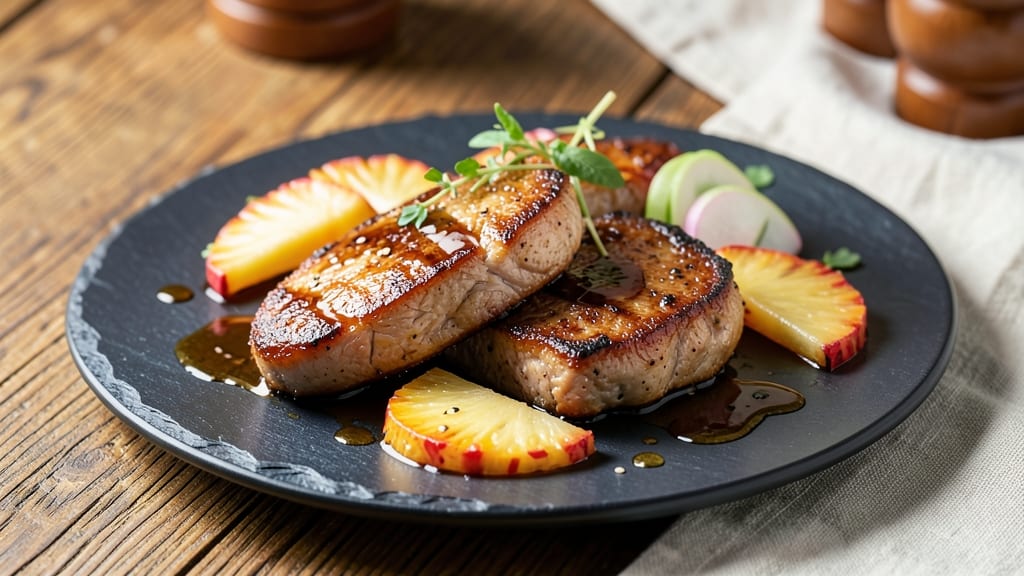
This pineapple teriyaki pork chops recipe delivers a perfect balance of tropical sweetness and savory depth—exactly the kind of dish that transforms a weeknight into something special. 🌟 The secret lies in marinating the pork in a homemade teriyaki glaze infused with fresh pineapple juice, creating a caramelized crust that’s both sticky and irresistible.
I developed this recipe after years of perfecting Asian-inspired pork dishes, and it’s now a staple at my Atlanta restaurant—simplified for home cooks.
The beauty of this dish is in its simplicity: just 30 minutes from start to finish, with minimal prep. The teriyaki marinade—made with soy sauce, brown sugar, and a splash of pineapple—penetrates the pork beautifully, while the pineapple adds a bright, juicy contrast that cuts through the richness.
For that signature umami crunch, we’ll sear the chops in a hot cast iron skillet until golden, then finish with a quick broil to lock in flavors.
By the time you serve these, you’ll have tender, juicy pork chops with a glossy glaze that’s perfectly balanced—sweet, tangy, and just a little smoky. The pineapple’s natural acidity keeps the dish from feeling too heavy, while the teriyaki’s depth adds layers of complexity.
Garnish with fresh pineapple slices and sesame seeds for that restaurant-quality finish.
Pair these with steamed jasmine rice or a quick stir-fry of bell peppers and snap peas to round out the meal. The flavors hold up beautifully for leftovers, too—just reheat gently to keep the glaze from crystallizing. Here’s how to make them perfectly every time.
Ingredients for pineapple teriyaki pork chops
Tropical sweetness meets umami crunch with these 14 ingredients—simple yet restaurant-worthy.
| Ingredient | Amount | Notes |
|---|---|---|
| Bone-In Pork Chops 🍖 | 1 ½ lb | 1-inch thick, center-cut preferred |
| Fresh Pineapple Juice 🍍 | ½ cup | From ripe pineapple, strained |
| Soy Sauce 🥢 | ⅓ cup | Low-sodium preferred for balance |
| Brown Sugar 🍚 | ¼ cup | Packed, light or dark |
| Sesame Oil 🫒 | 1 tbsp | Toasted, for aroma |
| Fresh Ginger 🌿 | 1 tbsp | Finely grated, aromatic |
| Garlic Cloves 🧄 | 4 cloves | Minced, fresh preferred |
| Honey 🍯 | 1 tbsp | Wildflower for depth |
| Rice Vinegar 🍶 | 1 tbsp | Seasoned preferred |
| Vegetable Oil 🫒 | 2 tbsp | High smoke point |
| Toasted Sesame Seeds 🌾 | 1 tbsp | For garnish |
| Fresh Pineapple 🍍 | ¼ cup | Diced, for garnish |
| Salt 🧂 | 1 tsp | Kosher, for seasoning |
| Ground Black Pepper 🌶️ | ½ tsp | Freshly cracked |
The pork chops are the star, so bone-in, center-cut makes all the difference—thicker cuts stay juicier. I always grab these at Whole Foods or my local butcher shop; look for good marbling but not too much fat. Fresh pineapple juice is non-negotiable—store-bought works in a pinch, but homemade has way more flavor. For the ginger and garlic, freshly grated and minced adds that restaurant-quality depth. If you're short on time, pre-minced garlic from the jar still works, but it lacks that bright, fresh punch.
No sesame oil? Toasted peanut oil at half the amount gives a similar nutty aroma. Subbing brown sugar? Coconut sugar works 1:1, but it has a slightly caramelized taste. The honey can be swapped for maple syrup if you're avoiding it, though it'll be less floral. For the pineapple, canned crushed pineapple (drained well) works in a bind, but fresh is always better. The rice vinegar adds that tangy balance—apple cider vinegar at the same amount is a decent substitute. And if you're out of sesame seeds, toasted slivered almonds add a nice crunch too.
Marinate the pork for at least 30 minutes—overnight is even better. Store any leftover marinade in the fridge for up to 5 days, though I usually use it up quickly. The chops reheat beautifully—just warm them gently in a skillet with a splash of water to keep the glaze from crystallizing. Garnish with fresh pineapple and sesame seeds right before serving, as they lose their crunch when sitting. These keep in the fridge for 3 days, but they're so good I rarely have leftovers.
Why You'll Love This Recipe
- I’ll be real: bone-in pork chops aren’t cheap, but this recipe stretches them. Double the batch, and you’ve got leftovers that taste just as good cold in wraps or over rice the next day. Plus, pineapple juice and soy sauce are usually lurking in my fridge—no extra shopping needed.
- One-Pan Magic: Honestly, I swear by this for nights when I’m too tired to wash extra dishes. Toss the pork chops and pineapple juice in one skillet, let the sugar caramelize—no flipping between pans, no stress. That sesame oil finish? Just drizzle and call it done.
- Sweet-Savory Balance: Between us, the combo of brown sugar and pineapple juice gives these chops a glossy, sticky glaze that’s ridiculously good. The soy sauce cuts through the sweetness just enough, and the bone-in pork stays juicy while the edges crisp. It’s the kind of flavor that makes you slow down mid-bite.
- Lunchbox Hero: Here’s what sold me—these reheat like a dream for packed lunches. The teriyaki stays sticky (not soggy), and the pork holds its shape. My kid picks out the pineapple chunks first, but still asks for seconds. (Yes, even on a Tuesday night.)
Step-by-step instructions for pineapple teriyaki pork chops
Here's how to balance sweet, tangy, and savory flavors for perfectly glazed pork chops.
👨🍳 Step 1: Marinate the Pork Chops for Maximum Flavor
In a bowl, combine the 0.5 cup fresh pineapple juice, 0.33 cup soy sauce, 0.25 cup brown sugar, 1 tablespoon sesame oil, 1 tablespoon honey, 1 tablespoon rice vinegar, 1 tablespoon finely grated fresh ginger, 4 minced garlic cloves, 1 teaspoon salt, and 0.5 teaspoon ground black pepper. Whisk until the brown sugar dissolves completely.
Place the 1.5 lb bone-in pork chops in a resealable plastic bag or shallow dish and pour the marinade over them. Make sure each chop is fully coated. Let them marinate at room temperature for 15-20 minutes—this ensures the flavors penetrate deeply without overcooking the meat. If using thicker chops, you can marinate for up to 30 minutes in the refrigerator, but don't exceed this time or the meat may become mushy.
🔥 Step 2: Sear the Pork Chops for a Perfect Crust
Heat 2 tablespoons vegetable oil in a large skillet over medium-high heat until shimmering. Remove the pork chops from the marinade (don't shake off excess—it's full of flavor) and place them in the hot pan. Cook for 3-4 minutes per side until they develop a deep golden-brown crust and internal temperature reaches 140°F.
I press down gently on the chops during the first minute to prevent curling—this ensures even contact with the pan. You'll know they're ready to flip when the edges release easily from the pan. Remove the chops and set them aside on a plate, tenting loosely with foil to keep warm. Don't clean the pan yet—those browned bits are the foundation for our teriyaki glaze.
🍳 Step 3: Simmer the Sauce to Perfection
Return the skillet to medium heat and add the reserved marinade (about ½ cup) to the pan. Bring to a gentle simmer, scraping up any browned bits from the bottom with a wooden spoon. Let it reduce for 3-4 minutes until it thickens slightly and coats the back of a spoon.
Here's the thing—you want the sauce to be glossy but not syrupy. If it reduces too quickly, add 1-2 tablespoons water to loosen it. The sauce should coat the back of a spoon but still flow freely. Taste and adjust seasoning—add a pinch more salt if needed or a splash of rice vinegar for brightness. Remove from heat and let it cool slightly before glazing.
🥘 Step 4: Glaze and Finish the Pork Chops
Return the pork chops to the skillet and pour the reduced sauce over them. Spoon the sauce generously over each chop, making sure they're fully coated. Let them simmer together for 2-3 minutes until the sauce thickens slightly and the pork reaches an internal temperature of 145°F.
For that beautiful caramelized finish, transfer the chops to a serving platter and broil for 1-2 minutes until the sauce bubbles and turns glossy. Watch closely—broiling happens quickly and you don't want to burn the sauce. Garnish immediately with 1 tablespoon toasted sesame seeds and 0.25 cup diced fresh pineapple for that tropical crunch.
🍽️ Step 5: Rest and Serve with Confidence
Let the pork chops rest for 3-5 minutes before serving. This resting period allows the juices to redistribute, ensuring each bite is moist and flavorful. The chops should have a beautiful caramelized glaze with a slight sheen, and the meat should be tender yet still firm to the touch.
Slice each chop in half horizontally to reveal the beautiful pink center and serve immediately with steamed rice and stir-fried vegetables. The combination of sweet pineapple, savory teriyaki, and umami pork creates a perfect balance that's both comforting and exciting. Don't forget to drizzle any extra sauce from the pan over the top—every drop is packed with flavor!
Pro Tips For Making Pineapple Teriyaki Pork Chops
- Sear First, Simmer After: Bone-in pork chops need that crust, so hit them with a screaming-hot pan for 2-3 minutes per side before adding the teriyaki. I used to toss them in straight away—big mistake, the sauce just pools instead of sticking. High heat locks in flavor while the bone renders its own juices.
- Reduce the Sauce Hard: Fresh pineapple juice is watery, and skipping reduction means a soggy glaze. Simmer the teriyaki sauce (pineapple juice, soy, brown sugar) uncovered until it coats the back of a spoon—about 8-10 minutes. My first batch was thin and clingy; now I swear by this step for that sticky, caramelized finish.
- Skip the Crowding: Pork chops release moisture as they cook, and piling them in the pan steams instead of sears. Cook them in a single layer, even if it takes two batches. I learned this after flipping soggy chops—now they stay golden and crisp, not turning into meaty dumplings.
- Toast the Brown Sugar: Dry the brown sugar in the pan for 30 seconds before adding liquids—it deepens the caramel notes in the sauce. Sounds weird, but it works: the pineapple’s acidity balances better with that toasted sweetness. My lazy days of skipping this left the dish tasting flat compared to when I do it.
Troubleshooting perfect results
Over-Marinated Meat
If your pork chops feel mushy or take forever to cook, you’ve likely marinated them too long—especially if left in the fridge overnight. The acid in pineapple juice and vinegar breaks down muscle fibers faster than soy sauce alone.
My rule: never exceed 30 minutes at room temperature or 4 hours in the fridge. For extra insurance, pat the chops dry with paper towels before searing to create that perfect crust. 💡
Sauce Too Thin
The glaze should coat the back of a spoon but still flow freely—not drip like water. If yours is too thin, reduce it longer over medium-low heat or add 1 teaspoon cornstarch mixed with 1 tablespoon water as a slurry.
Stir it in and let it simmer for 1-2 minutes until thickened. Pro tip: Skim off any foam that rises while reducing—it’s just protein and won’t add flavor.
Dry or Tough Chops
Pork chops dry out when cooked too long or at too high a heat. Use a meat thermometer to check for 145°F internal temperature—never guess! If your chops are bone-in, they’ll naturally cook slower, so give them that extra minute.
For thicker cuts (1.5 inches), sear them 4-5 minutes per side before finishing with the sauce. And for the love of all things pork, don’t skip the rest—those 3-5 minutes under foil make all the difference.
Uneven Cooking
Thicker edges or raw centers? Your pan isn’t hot enough or your chops aren’t uniform. Preheat your skillet over medium-high heat until it’s smoking hot before adding oil. If using bone-in chops, trim any large fat deposits that might insulate the meat.
For even cooking, flip them only once—twice can cause them to fall apart. A cast iron skillet is ideal, but nonstick works too if you avoid overcrowding.
Burnt Sauce
Broiling too long turns that gorgeous glaze into a charred mess. Keep the broiler on high and watch like a hawk—1-2 minutes max! If your sauce starts to darken too quickly, move the pan to a cooler part of the oven.
For extra insurance, brush the chops with a thin layer of neutral oil before broiling to prevent sticking and burning. A light-colored sauce (like this one) burns faster than dark sauces, so stay vigilant.
Leftover Glaze Issues
Reheating extra sauce? Never microwave it—it’ll turn grainy. Instead, warm it gently in a small saucepan over low heat while stirring constantly. If it thickens too much, add 1 teaspoon water at a time.
For storage, keep it in an airtight container in the fridge for up to 5 days or freeze for 3 months. To use frozen glaze, thaw it in the fridge overnight and reheat slowly—never at room temperature.
Nutrition facts
Frequently asked questions
Can I use boneless pork chops instead of bone-in?
Boneless chops work perfectly, but they'll cook faster since they're thinner. For even results, use 1-inch thick boneless chops and reduce searing time to 2-3 minutes per side. The teriyaki glaze will still cling beautifully, and you'll avoid any potential uneven cooking from bone placement.
What's the best way to substitute fresh pineapple?
For convenience, use 100% crushed pineapple (drained well) in a 1:1 ratio. If you prefer canned juice, look for pineapple juice concentrate (dilute with water) or pure pineapple juice from a carton. Avoid pineapple juice cocktails—they contain added sugars that'll throw off your glaze balance.
How do I adjust this for grilling instead of pan-searing?
Grilling works wonderfully! Preheat your grill to medium-high (400-425°F) and oil the grates well. Grill the chops for 4-5 minutes per side until they reach 145°F internal temp, then brush with reduced teriyaki sauce. Finish with 1 minute under the broiler for that glossy look. The smoky grill flavor pairs beautifully with the tropical pineapple!
Can I make this recipe with chicken instead?
Yes, but chicken requires different timing. Use 1.5 lb boneless, skinless chicken thighs (they stay juicier) and marinate for 20-30 minutes max (chicken marinates faster). Cook at 165°F internal temp and reduce sauce time to 2 minutes—chicken dries out quicker. The pineapple-teriyaki combo works just as well!
Why does my sauce get grainy when reheating?
That happens when sugar crystallizes from cooling too quickly. To fix it, reheat the sauce very slowly over low heat, stirring constantly. For prevention, store leftover sauce in an airtight container and reheat portions gradually. A splash of water or pineapple juice can also help dissolve any crystals.