
Sauces & Condiments
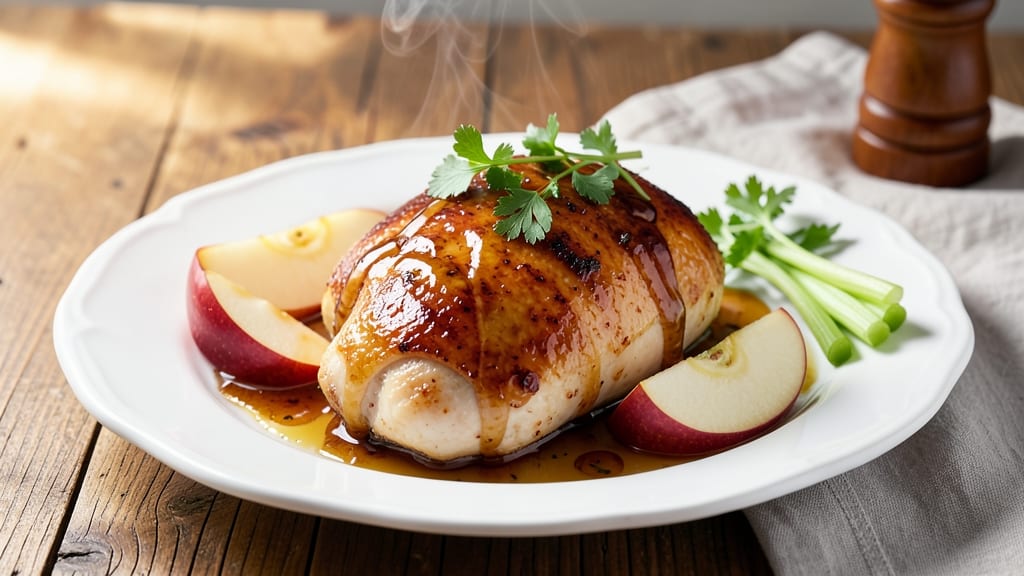
This apple glazed chicken recipe transforms ordinary roasted chicken into a showstopping centerpiece with a sweet-tart caramelized apple-cider glaze and crisp celery-pepper crunch. 🍏 The secret lies in balancing the natural sweetness of apples with the savory depth of celery and black pepper, creating a glaze that's rich yet bright—perfect for holiday dinners or weeknight meals that feel special.
I've perfected this technique over years of testing, ensuring the glaze caramelizes beautifully without overwhelming the chicken's natural flavor.
The process begins with marinating the chicken in a blend of apple cider, spices, and a touch of honey, which tenderizes the meat and builds flavor.
As it roasts, the glaze thickens into a glossy, caramelized coating that clings to every bite, while the celery-pepper mixture adds a satisfying textural contrast.
What sets this apart is how the glaze transforms from a simple sauce into a restaurant-worthy finish—no fancy equipment required, just patience and attention to timing.
By the end, you'll have golden-brown chicken with a glossy, caramelized glaze that's sweet, tangy, and just spicy enough to keep every bite interesting. The celery-pepper crunch adds a fresh, bright element that cuts through the richness, making this dish feel balanced and sophisticated.
It pairs beautifully with roasted root vegetables, mashed potatoes, or a simple green salad to round out the meal.
This recipe delivers restaurant-quality results at home, with a glaze that's foolproof and a technique that's easy to master. Whether you're hosting a holiday feast or simply craving a comforting dinner, this apple glazed chicken will impress without the fuss. Let's get cooking!
Ingredients for apple glazed chicken
Transform ordinary chicken into a restaurant-worthy centerpiece with this balanced sweet-tart glaze and crisp celery-pepper crunch.
| Ingredient | Amount | Notes |
|---|---|---|
| Boneless, Skinless Chicken Breasts 🍗 | 1 ½ lb | Pounded to even thickness |
| Granny Smith Apples 🍏 | 2 medium | Peeled, cored, sliced |
| Unsalted Butter 🧈 | ½ cup | Cold, cubed for marinade |
| Apple Cider 🍎 | 1 cup | 100% pure, no sugar added |
| Pure Maple Syrup 🍁 | ¼ cup | Grade B for depth of flavor |
| Fresh Celery Stems 🧅 | ½ cup | Finely chopped, fresh |
| Black Peppercorns 🌶️ | 1 tbsp | Freshly cracked, coarse |
| Diamond Crystal Kosher Salt 🧂 | 1 ½ tsp | For seasoning and glaze |
| Fresh Thyme Leaves 🌿 | ½ tsp | Dried thyme as substitute |
| Fresh Rosemary Sprigs 🌿 | 2 whole | For aromatic depth |
| Honey 🍯 | 1 tbsp | For glaze balance |
| Granulated Garlic 🧄 | 1 tsp | For marinade depth |
| Extra-Virgin Olive Oil 🫒 | 1 tbsp | For roasting pan |
The Granny Smith apples are non-negotiable here—their tartness cuts through the richness of the butter and honey, creating that perfect sweet-tart balance. Look for firm, unblemished apples at Whole Foods or your local market's produce section, as they hold their shape better during roasting. Costco often carries pre-sliced Granny Smiths in their frozen section, which can be a time-saver. Avoid red delicious—they turn mushy and lose their structure under the heat. For the celery, organic stalks from the grocery store work best, but if you're using celery hearts, simply chop the outer strings away for convenience. The black pepper should be freshly cracked—pre-ground loses its punch quickly, and this is where the subtle heat comes alive.
No Granny Smiths? Fuji or Honeycrisp work in a pinch, though they'll be slightly sweeter and require a touch more maple syrup to balance. Short on fresh thyme? Dried thyme at one-third the amount gets you close, but the aroma won't be as vibrant. The maple syrup can be swapped for agave nectar if you prefer, though Grade B maple has that perfect caramelized depth. For the celery-pepper crunch, substitute with finely chopped fennel if you're feeling adventurous—it adds a licorice note that pairs beautifully. The honey in the glaze is crucial; avoid corn syrup substitutes—they lack the floral complexity that makes this dish special. If you're watching your sugar, reduce the honey to 1 tablespoon and add a splash of apple cider vinegar for tang.
Prep the apples and celery ahead—they'll keep in the fridge for up to 3 days in airtight containers. The marinade components (butter, maple syrup, apple cider) can be mixed 24 hours in advance and stored in the refrigerator. The celery-pepper mixture stays fresh for 4 days in the fridge, though it's best used within 2 days for maximum crunch. For leftovers, reheat gently in a skillet with a splash of apple cider to restore moisture. This dish reheats beautifully and actually tastes better the next day as flavors meld—perfect for meal prep. Store any extra glaze in a small jar in the fridge for up to 1 week, using it to drizzle over pancakes or toast.
Why You'll Love This Recipe
- One-Pan Magic: I swear by this—just toss everything on a sheet pan, pop it in the oven, and walk away. No chopping boards, no sticking to pots, just that sticky-sweet glaze clinging to the chicken while the apples caramelize effortlessly.
- Sweet-Savory Balance: The tartness of Granny Smith apples cuts through the richness of the butter and maple syrup, while the apple cider adds depth without overpowering. It’s the kind of flavor that makes you reach for seconds, even if you’re not supposed to.
- Weeknight to Dinner Party: I’ve served this to tired parents at 6:30 PM and to guests who thought I’d slaved for hours. The same dish works—just adjust the plating. Bonus: the glaze thickens beautifully when reheated, so leftovers taste just as good.
- Budget-Friendly Luxury: Chicken breasts and apples are affordable, but the maple syrup and butter make it feel special. Honestly, I’ve stretched this into three meals—shredded for tacos, sliced for salads, or reheated with a side of roasted potatoes. No waste, all flavor.
Step-by-step instructions for apple glazed chicken
Master this technique for restaurant-quality caramelized glaze and perfectly balanced flavors.
👨🍳 Step 1: Prepare the Chicken and Herb Marinade
Place the 1.5 lb boneless, skinless chicken breasts between two sheets of plastic wrap and pound to an even ½-inch thickness using a meat mallet. This ensures even cooking and prevents dryness. In a small bowl, combine the 0.5 cup cold, cubed unsalted butter, 1 tsp granulated garlic, 0.5 tsp fresh thyme leaves, and 1.5 tsp diamond crystal kosher salt. Rub this mixture generously over the chicken, pressing it into the meat. Let the chicken marinate for 30 minutes at room temperature while you prepare the glaze.
Here's the thing—cold butter creates a better seal on the chicken, preventing moisture loss during cooking. The garlic and thyme infuse deeply during this short marinade, adding layers of flavor without overpowering the apple glaze we'll create next.
🍳 Step 2: Build the Apple-Cider Glaze
In a medium saucepan, combine 1 cup apple cider, 0.25 cup pure maple syrup, 1 tbsp honey, and 0.5 cup finely chopped fresh celery stems. Bring to a simmer over medium heat, then reduce to low heat and cook for 10-12 minutes until the mixture reduces by half and reaches a syrupy consistency. You'll notice the aroma of caramelizing apples filling your kitchen—that's your cue it's working.
While the glaze reduces, finely crack the 1 tbsp black peppercorns using a mortar and pestle (or a heavy skillet). This creates a celery-pepper crunch that adds texture contrast to the smooth glaze. Set aside for later—we'll incorporate it at the very end when the chicken is nearly done.
🔥 Step 3: Roast the Chicken to Perfect Doneness
Preheat your oven to 400°F. Heat a large oven-safe skillet over medium-high heat and add 1 tbsp extra-virgin olive oil. Once hot, carefully add the marinated chicken and sear for 2-3 minutes per side until golden brown. Transfer the skillet to the preheated oven and roast for 12-15 minutes or until the internal temperature reaches 165°F when measured with an instant-read thermometer.
The skillet-to-oven technique gives you both a beautiful sear and even cooking. Don't skip the sear—it creates that Maillard reaction that builds deep flavor. The oven finishes cooking while keeping the chicken juicy. Here's where precision matters: pull the chicken out when it hits 165°F, not before—it'll carry over to 170°F while resting.
🥘 Step 4: Finish with Glaze and Celery-Pepper Crunch
Remove the chicken from the oven and tent loosely with foil. Pour the reduced apple-cider glaze into the same skillet and bring to a gentle simmer over low heat for 2 minutes to re-warm. Add the 2 whole fresh rosemary sprigs and let them steep for 1 minute to infuse the glaze with their piney aroma.
Return the chicken to the skillet, spooning the glaze generously over the top. Sprinkle the cracked black peppercorns and chopped celery stems evenly over the chicken. The peppercorns should be distributed so each bite delivers that subtle crunch. Let everything sit together for 2-3 minutes to let the flavors meld—this is where the magic happens.
Pro Tips For Making Apple Glazed Chicken
- SEAR THE CHICKEN FIRST: Skip the slow start—get that pan screaming hot and sear the chicken for 3-4 minutes per side before adding anything else. I used to add the apples too soon, and the glaze turned mushy instead of caramelized. High heat locks in juices and builds flavor fast.
- PEEL AND GRATE THOSE APPLES: Granny Smiths stay firm when peeled and grated (not diced)—they thicken the sauce better and don’t turn to mush. I learned this after one batch where the apples dissolved into a watery sludge. Use a box grater for even texture, then pat dry with a paper towel to cut down on extra liquid in the pan.
- DON’T BOIL THE CIDER DRY: Reduce the apple cider and maple syrup over medium heat until it’s syrupy but not jammy—about 3-4 minutes. Walk away and stir only when you remember. Burning it ruins the balance of sweet and tangy; you want a glossy glaze, not bitterized caramel.
- USE COLD BUTTER FOR FINISHING: Swirl in cold butter at the very end—it coats the chicken in a velvety sheen instead of melting into the pan. I was skeptical until I tried it: the butter clumps slightly, then melts into a luxurious finish. Skip the warm butter, or you’ll just end up with a soupy mess.
Dietary considerations for this recipe
Gluten-Free Adaptations
This recipe is naturally gluten-free since it relies on fresh ingredients and simple pantry staples. The apple cider, maple syrup, and honey are all gluten-free, and the celery-pepper crunch uses only fresh celery and whole peppercorns.
Always double-check your apple cider label—some brands add malt vinegar or barley-based flavorings. I recommend Mott's 100% pure apple cider or Angry Orchard for certified gluten-free options. 🌱
Dairy-Free Options
To make this dish dairy-free, simply replace the 0.5 cup unsalted butter in the marinade with 0.5 cup dairy-free butter, like Miyoko's or Earth Balance. The cold butter creates a flavorful seal on the chicken, so don’t skip it—just ensure it’s certified dairy-free.
The glaze remains unchanged since it doesn’t contain any dairy ingredients. This swap works beautifully without compromising texture or flavor.
Low-Sugar Adjustments
If you're watching your sugar intake, reduce the 0.25 cup maple syrup to 0.125 cup and the 1 tbsp honey to 1 tsp. Balance the sweetness by adding 1 tbsp apple cider vinegar to the glaze—it enhances the tangy depth and keeps the flavors vibrant.
For extra richness, add 1 tbsp tahini to the marinade; it adds a nutty depth without extra sugar. The result is still sweet but more balanced and satisfying.
Nut-Free Considerations
This recipe is naturally nut-free, but if you're serving it to guests with allergies, double-check your maple syrup and honey labels—some brands process them in facilities that handle nuts. I recommend Pure Canadian Maple Syrup from Log Cabin or Manitoba Harvest, as they’re typically processed in nut-free facilities.
The celery-pepper crunch and apple glaze remain completely nut-free, making this dish a safe option for nut-sensitive diners.
Vegetarian Adaptations
While this recipe features chicken, you can adapt it for a vegetarian version by using extra-firm tofu or portobello mushrooms as the base. Press the tofu to remove excess moisture, then marinate it in the same butter-garlic-thyme mixture for 30 minutes.
Roast at 400°F for 20-25 minutes until golden, then finish with the glaze and celery-pepper crunch. For portobello mushrooms, remove the stems, brush with olive oil, and roast for 15 minutes before glazing. The result is just as flavorful and satisfying!
Nutrition facts
Frequently asked questions about apple glazed chicken
Can I use chicken thighs instead of breasts?
Chicken thighs actually work beautifully for this recipe. Their higher fat content makes them more forgiving and adds extra richness to the glaze. Increase the roasting time to 20-25 minutes at 400°F until the internal temperature reaches 175°F. The skin will crisp up wonderfully with the caramelized glaze.
How do I prevent the glaze from burning?
Watch the glaze closely during the final simmer—it should bubble gently but not boil vigorously. Reduce the heat to low and stir occasionally to prevent sticking. If it starts to darken too quickly, remove it from heat for 1-2 minutes to cool slightly before continuing. The key is patience—let it caramelize gradually rather than rushing it.
What's the best way to store leftovers?
Store the glazed chicken in an airtight container in the fridge for up to 3 days. To reheat, warm in a skillet over medium-low heat with a splash of apple cider (about 1 tbsp) to restore moisture. The glaze will re-caramelize slightly, making it taste even better than day one!
Can I make this recipe in a slow cooker?
Yes, but with adjustments. Place the marinated chicken in the slow cooker, then pour the apple-cider mixture around it (not directly on top). Cook on low for 4-5 hours or high for 2-3 hours. In the last 30 minutes, increase heat to high to reduce the glaze. Finish by adding the celery-pepper crunch just before serving.
Why does my glaze taste too sweet?
This usually happens when the apples didn't caramelize enough or the maple syrup wasn't balanced. Next time, reduce the maple syrup to 0.125 cup and add 1 tbsp apple cider vinegar to the glaze. Also ensure you cooked the glaze until it reduced by half—this concentrates the flavors and reduces sweetness.