
Sauces & Condiments
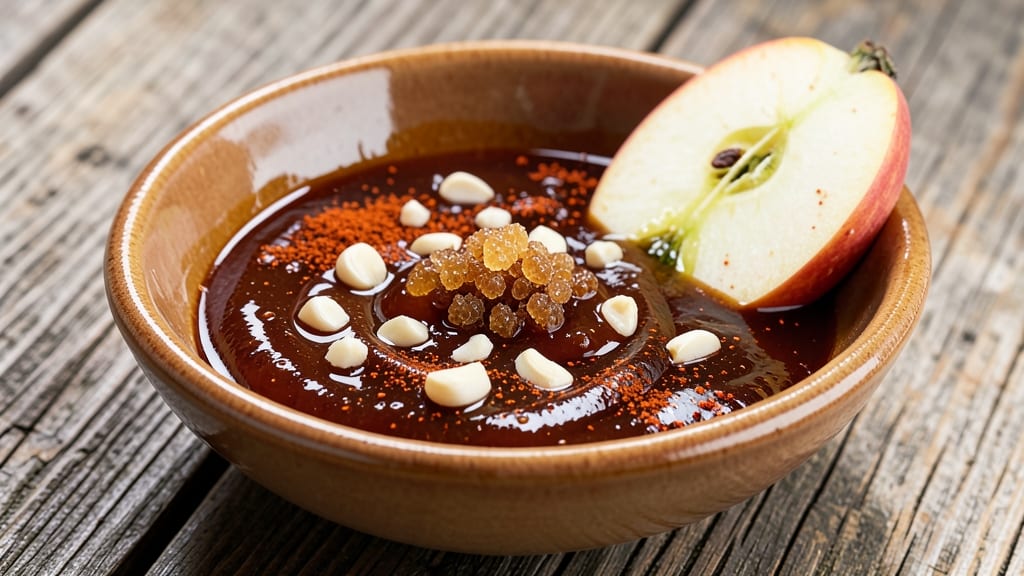
This apple grilling sauce recipe transforms ordinary grilled meats into something extraordinary with its perfect balance of smoky depth and caramelized sweetness. 🔥 The secret lies in reducing apple cider with brown sugar until it develops that rich, molasses-like texture—just like my grandmother's old-school barbecue sauce, but with a modern twist.
What makes this sauce special is its versatility; it works equally well on chicken, pork, or even grilled vegetables, adding a touch of autumnal warmth to every bite.
What sets this sauce apart is the combination of apple cider vinegar for tang, smoked paprika for that signature smoky flavor, and a pinch of cayenne for subtle heat. The sauce thickens as it simmers, creating a glossy, sticky glaze that clings beautifully to grilled foods.
Unlike store-bought versions, this recipe is made with real ingredients—no artificial flavors or preservatives—and it keeps well in the fridge for up to two weeks, making it perfect for meal prep or entertaining.
The result is a sauce that's rich, slightly sweet, and deeply aromatic, with just the right amount of tang to cut through fatty meats. It caramelizes beautifully on the grill, adding a glossy finish that makes everything look as good as it tastes.
Whether you're grilling up ribs, chicken thighs, or even vegetables, this sauce elevates the dish to restaurant-quality status with minimal effort.
Pair it with your favorite grilled proteins or use it as a marinade for extra flavor. The best part? It's easy to make ahead and reheats beautifully, so you can focus on grilling while the sauce does the work.
Let's get started on creating this crowd-pleasing sauce that'll have everyone asking for seconds.
Ingredients for apple grilling sauce
Nine simple ingredients transform into the ultimate grilling companion—smoky, sweet, and packed with autumnal flavor.
| Ingredient | Amount | Notes |
|---|---|---|
| Apple Cider 🍎 | 1 ½ cups | 100% pure, no additives |
| Brown Sugar 🍚 | ¾ cup | Light or dark, packed |
| Apple Cider Vinegar 🍶 | ½ cup | Raw, unfiltered preferred |
| Smoked Paprika 🌶️ | 2 tbsp | High-quality for smokiness |
| Garlic Cloves 🧄 | 3 cloves | Fresh, minced or grated |
| Cayenne Pepper 🔥 | ½ tsp | Adjust for heat preference |
| Ground Black Pepper 🌶️ | ½ tsp | Freshly ground preferred |
| Kosher Salt 🧂 | 1 ½ tsp | Diamond Crystal preferred |
| Extra-Virgin Olive Oil 🫒 | 2 tbsp | For glossy finish |
| Fresh Thyme Leaves 🌿 | 1 tbsp | Or 1 tsp dried thyme |
The apple cider is the heart of this sauce—look for 100% pure, no additives. Trader Joe's and Whole Foods carry great options, or grab a bottle from the apple orchard if you're lucky enough to have one nearby. Brown sugar should be packed into the measuring cup for accurate sweetness. Fresh thyme adds a bright herbal note, but dried works in a pinch—just use one-third the amount. The smoked paprika is where the magic happens; Penzeys has the best selection if you want to splurge, but the regular grocery store stuff works fine for everyday use. Cayenne is all about preference—start with half a teaspoon and add more if you like it spicier.
No apple cider vinegar? White vinegar or red wine vinegar works in a bind, though it'll change the flavor slightly. Short on brown sugar? Maple syrup or honey (if not vegan) can substitute at a 1:1 ratio, but the texture will be slightly different. The olive oil adds richness and helps the sauce cling beautifully to grilled meats—use extra-virgin for the best flavor. If you're missing thyme, rosemary or oregano can step in, though thyme's citrusy brightness is ideal. For a deeper smoky flavor, add a dash of liquid smoke (about 1/2 teaspoon), but it's not traditional so use sparingly.
This sauce keeps beautifully—2 weeks in the fridge once opened, though it tastes even better after a day or two as the flavors meld. For longer storage, freeze it in ice cube trays and transfer to a container; 6 months in the freezer with no quality loss. The sauce thickens as it cools, so if it seems too thick right after making, just add a splash of water or apple cider. Brush it on meats during the last 5-10 minutes of grilling for that perfect caramelized finish—trust me, it's worth the extra minute.
Why You'll Love This Recipe
- Five-Ingredient Magic: I swear by this—just apple cider, brown sugar, vinegar, smoked paprika, and garlic. That’s it. No fancy pantry raids, no last-minute grocery runs. Honestly, I keep every ingredient stocked just for this.
- Smoky-Sweet Obsession: The smoked paprika and brown sugar caramelize into something dangerously addictive. You’ll want to slather it on everything—grilled chicken, roasted veggies, even toast. (Yes, even on a Tuesday night.)
- Weeknight Superhero: This sauce is my go-to for game day, BBQs, or when I’m too tired to think. It doubles in a flash, so I make extra and freeze it. Less stress, more flavor—what’s not to love?
- Budget-Friendly Flex: Apple cider and vinegar last forever, and brown sugar is cheaper than specialty sauces. Between us, I’ve used this to dress up cheap cuts of meat into something restaurant-worthy. That’s the kind of savings I can get behind.
Step-by-step instructions for smoky apple cider grilling sauce
This sauce delivers bold smoky-sweet flavor with just 15 minutes of active work!
🍳 Step 1: Build the Flavor Base
In a medium saucepan over medium-high heat, combine the 1.5 cups apple cider and 0.75 cup brown sugar. Stir until the sugar dissolves completely—you'll see it disappear into the liquid, creating a smooth foundation. Here's the thing—don't rush this step. Let the mixture bubble gently for 3-4 minutes until it begins to caramelize slightly at the edges.
Watch for those telltale bubbles forming around the edges of the pan. That's your signal the sugar is starting to break down and develop deeper flavor. If you see it getting too dark too quickly, reduce the heat to medium to prevent burning. This caramelization is what gives the sauce its rich, complex sweetness that pairs perfectly with grilled meats.
🔥 Step 2: Add Aromatics and Spices
Once the mixture is simmering gently, stir in the 0.5 cup apple cider vinegar, 2 tbsp smoked paprika, 3 cloves minced garlic, 0.5 tsp cayenne pepper, 0.5 tsp ground black pepper, and 1.5 tsp kosher salt. Give it a good stir to distribute everything evenly. You'll notice the sauce immediately darkens and thickens slightly—this is where all the magic happens.
Let the mixture simmer for another 5-6 minutes until it reduces by about 25%. You're looking for a sauce that coats the back of a spoon but still has a nice flow to it. If it starts to get too thick too quickly, add 1-2 tablespoons of water to keep it balanced. The smoked paprika will infuse that beautiful smoky aroma, while the vinegar adds that bright tang that cuts through the sweetness.
🥘 Step 3: Finish with Olive Oil and Thyme
Remove the pan from heat and let it cool for 2 minutes. Then stir in the 2 tbsp extra-virgin olive oil and 1 tbsp fresh thyme leaves. The oil will give the sauce a glossy finish and help it cling beautifully to whatever you're grilling. The thyme adds that fresh herbal note that balances all the other flavors perfectly.
Give it one final taste and adjust the seasoning if needed. You might want a little more salt or a touch more cayenne for heat. The sauce should be sweet, smoky, slightly tangy, and just a hint of spice. Here's the pro tip: Let it sit for 10 minutes before using—this gives the flavors time to meld together completely. You'll be amazed at how much deeper the flavor becomes just from resting!
⏰ Step 4: Strain and Store
For a completely smooth sauce, strain it through a fine-mesh sieve into a clean jar or bottle. This removes any garlic bits and gives you that silky texture perfect for drizzling. If you prefer a slightly rustic texture, you can skip the straining—just give it a quick stir to redistribute any settled spices.
The sauce will keep in the refrigerator for up to 2 weeks and can be reheated gently before using. It's perfect for grilling chicken, pork, or even as a glaze for roasted vegetables. This sauce is so versatile—you'll want to make double batches!
Pro Tips For Making Apple Grilling Sauce
- Simmer Low and Slow: This sauce isn’t a race—after adding the brown sugar, drop the heat to a gentle simmer and let it bubble for at least 15 minutes. I used to rush it, and the garlic would taste raw or the vinegar would linger too sharp. Low heat lets the flavors meld without burning the bottom.
- Mince That Garlic: Skip the clove peels—finely mince the garlic (or pulse it in a food processor) so it dissolves completely into the sauce. Whole cloves just sit there like little flavor anchors. If you’re lazy, a quick 10-second pulse with the vinegar and cider will break them down fast.
- Balance the Sweetness: Taste the sauce before adding the smoked paprika—if the brown sugar dominates, splash in 1-2 teaspoons of apple cider vinegar. I learned this the hard way when I doubled the sugar thinking it’d caramelize more. The vinegar cuts through the cloying sweetness and keeps it bright.
- Strain for Smoothness: After simmering, strain the sauce through a fine-mesh sieve to remove any gritty bits from the brown sugar or garlic. It’s not a dealbreaker, but the texture will be silky—especially if you’re drizzling it over grilled chicken or pork chops. (Yes, even if you’re impatient like me.)
Troubleshooting perfect results
Sauce Too Thin?
If your sauce isn't thickening enough during simmering, reduce the heat to low-medium and let it cook uncovered for 5-10 extra minutes. The moisture will evaporate gradually without burning.
For a quick fix, mix 1 tsp cornstarch with 1 tbsp cold water, stir it in, and simmer for 2 more minutes. I've found that using dark brown sugar instead of light creates a deeper caramelization that naturally thickens the sauce better. 🌡️
Burnt or Bitter Taste?
This usually happens when the sugar caramelizes too quickly. Always keep the heat at medium or lower during the initial sugar dissolution stage. If it starts to darken too much, immediately reduce heat or remove from flame.
For a rescue, add 1 tsp apple cider vinegar to balance the bitterness. I learned this trick from my grandmother—she'd always say "a splash of vinegar can save any sauce!"
Not Enough Smokiness?
Increase the smoked paprika to 3 tbsp and add ½ tsp liquid smoke to the finished sauce. For extra depth, toast ½ tsp whole cumin seeds in a dry pan until fragrant, then grind and stir into the sauce.
The key is patience—let the spices infuse during simmering rather than rushing the process. I often double the smoked paprika for ribs and pork shoulders. 🌶️
Sauce Too Sweet?
Balance the sweetness by adding 1 extra tbsp apple cider vinegar or ½ tsp lemon juice at the end. For a smoky-savory twist, increase the garlic and cayenne slightly. The acidity helps cut through the sugar while enhancing all other flavors.
I've found that letting the sauce rest for 30 minutes before tasting helps the flavors settle and makes adjustments easier.
Grainy Texture?
This typically means the sugar didn't fully dissolve. Always stir continuously during the initial 3-4 minutes of heating until the sugar completely disappears. For a smoother sauce, strain through a fine-mesh sieve after cooking.
If you prefer texture, just whisk vigorously before using. The olive oil addition helps create a silky finish, but don't overdo it—2 tbsp is perfect for the recipe.
Not Sticking to Food?
Add 1 extra tbsp extra-virgin olive oil or 1 tsp honey to improve adhesion. Brush the sauce on during the last 5 minutes of grilling when meats are hot—this creates the perfect caramelized crust.
I've found that preheating your grill to medium-high heat (around 400°F) helps the sauce cling better to proteins. For vegetables, grill until tender first, then brush with sauce.
Nutrition facts
Frequently asked questions
Can I make this sauce without apple cider vinegar?
Yes, but the flavor will change slightly. Use white vinegar or red wine vinegar in a 1:1 ratio, though white vinegar will be sharper. For a sweeter alternative, try lemon juice (reduce to ¼ cup) or balsamic vinegar (½ cup) for depth. The tang is crucial for balancing the sweetness, so don't skip it entirely!
What’s the best way to use this sauce on the grill?
Brush it on during the last 5-10 minutes of grilling when meats reach 165°F (chicken) or 145°F (pork). The heat will caramelize it beautifully. For vegetables, grill first until tender, then drizzle with sauce. Pro tip: Preheat your grill to 400°F—hotter temps help the sauce cling better!
How spicy should this sauce be?
The ½ tsp cayenne gives a mild kick, but you can adjust it! For heat lovers, add ¼ tsp more or swap in ½ tsp chili flakes. For a smoky-sweet version, reduce to ¼ tsp cayenne or omit it entirely. Taste as you go—the sauce thickens as it cools, so flavors deepen over time.
Can I make this sauce in a slow cooker?
Combine all ingredients in a slow cooker on low heat for 2-3 hours, stirring occasionally. The low-and-slow method enhances the smoky depth. For faster results, use high heat for 1 hour. Just watch the sauce—it’ll reduce more gradually than stovetop, so check for thickness at the 1.5-hour mark.
What’s the best way to store leftovers?
Transfer to an airtight container and refrigerate for up to 2 weeks. For longer storage, freeze in ice cube trays or small jars—thaw overnight in the fridge. Reheat gently on the stovetop or microwave until warm. The sauce thickens when cold, so stir in 1 tsp water if it seems too stiff before reheating.